The best outdoor sauna for cold climates is not simply the model with the thickest wood or the highest heater power. For distributors, retailers, builders, resorts, and private-label sauna buyers, the better question is: which sauna design can survive real winter use, be explained clearly to customers, arrive safely after export shipping, and create fewer after-sales problems once installed?
We wrote this guide for North American buyers and other cold-region markets where snow, freeze-thaw cycles, wind exposure, long winters, and installation quality can affect the customer experience. It covers sauna type, wood choice, wall structure, roof and glass details, heater sizing, foundation planning, packaging, and the buyer questions buyers should ask before placing a sample order or container order.
Fast Recommendation
For most cold-climate B2B buyers, start with a well-specified outdoor cabin sauna if the target market expects stronger weather protection, easier roof detailing, and a more familiar building shape. Use barrel saunas when the buyer wants a compact visual product and is prepared to explain foundation, snow exposure, band tension, sealing, and maintenance clearly.
Build a cold-climate sauna RFQ or ask a cold-climate project question to request model recommendations from us.
Cold-climate model directions to compare
Use these pages as visual and procurement starting points, not as final winter-performance claims. Confirm wall build-up, roof protection, glass area, heater sizing, foundation, ventilation, packing, and destination electrical requirements in the approved quotation and drawing.
What Cold Climate Actually Changes
Cold weather changes the buying criteria for outdoor saunas. A sauna that performs well in a mild backyard may need more careful specification in Minnesota, Wisconsin, Maine, Alberta, Ontario, Quebec, British Columbia interior regions, Scandinavia, or mountain resort areas. The product will face lower ambient temperature, snow load, more moisture, freeze-thaw movement, and customers who expect reliable warm-up during long winters.
For a consumer, this may feel like a comfort question. For a distributor or importer, it is a commercial risk question. If the sauna warms too slowly, leaks around the door, moves excessively, arrives with damaged panels, or needs unclear installation support, the buyer may face complaints even if the factory price looked attractive. That is why cold-climate sauna sourcing should be treated as a full product package, not a single model photo.
The buyer should evaluate product design, wood behavior, heater selection, packaging protection, installation instructions, spare parts, and maintenance education together. This is also why a cold-climate buyer file should include destination region and use case, not only quantity and target price.
Cabin Sauna vs Barrel Sauna in Cold Weather
Cabin-style outdoor saunas are often easier to position for cold climates because the structure looks familiar to builders and homeowners. A cabin sauna can use a more conventional roof shape, defined wall panels, controlled glass placement, and more obvious weather detailing. This helps buyers explain the product to contractors, resorts, and customers who are comparing it with a small outdoor room.
Barrel saunas can also work in cold climates, and many customers like their look. The rounded form can heat efficiently, and the product is visually distinctive for retail display. However, B2B buyers should pay close attention to stave fit, stainless steel bands, end-wall fit, door alignment, foundation, drainage, roof exposure, and maintenance expectations. In snowy regions, the buyer must explain how the sauna should be sited and maintained.
| Buyer question | Cabin sauna | Barrel sauna |
|---|---|---|
| Cold-region retail confidence | Often easier to explain as a weather-protected outdoor room. | Strong visual appeal, but needs clear siting and maintenance guidance. |
| Roof and snow discussion | More conventional roof options are easier for buyers to understand. | Needs careful discussion of exposure, cover, and snow-management expectations. |
| Installation expectations | Familiar shape for contractors and project buyers. | Often simpler visually, but foundation and band tension matter. |
| Retail story | Premium outdoor wellness room, resort, hotel, and backyard upgrade. | Compact, iconic, easy to photograph, strong lifestyle appeal. |
For buyers still comparing formats, read barrel sauna vs cabin sauna and barrel sauna vs traditional sauna before finalizing a cold-weather assortment.
Wood Choice for Cold-Climate Saunas
Wood choice affects price, product story, customer expectation, and after-sales risk. Western Red Cedar is often used for premium sauna positioning because of its appearance, aroma, and outdoor wellness appeal. Hemlock and spruce can support different price bands, while thermally modified wood can be attractive when buyers want dimensional stability and weather-resistance messaging. The best option depends on target customer, climate exposure, maintenance plan, and retail price.
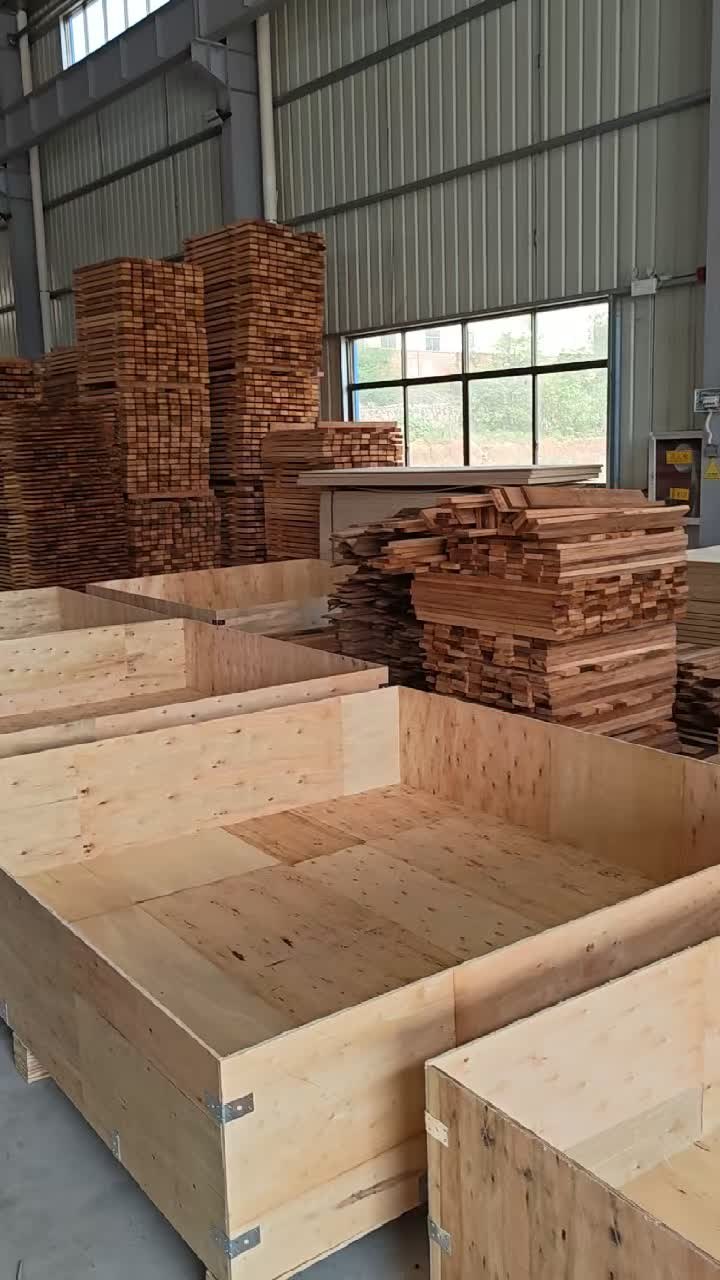
Cold climates make wood movement more visible because the product may experience moisture changes, outdoor temperature swings, and dry heated interiors. Buyers should ask how the factory controls material preparation, moisture content, panel fit, sanding, finishing, and packaging protection. A low price is not useful if the product arrives with unclear wood grade, poor fit, or weak after-care guidance.
Useful internal references include cedar vs hemlock vs spruce sauna wood, cedar vs hemlock sauna wood guide, and sauna wood moisture content guide.
Wall Thickness, Fit, and Heat Retention
Cold-climate buyers often ask for thicker walls, but wall thickness alone does not solve every problem. Heat retention also depends on door fit, window size, roof design, ventilation, heater sizing, assembly quality, and whether the customer uses the sauna correctly. A well-specified sauna should balance material thickness with overall structure and the expected use case.
For distributors, the key is consistency. If one shipment uses a different wall profile, heater setup, or glass detail from the sample, the retail team may struggle to explain performance. Ask the factory to lock drawings, dimensions, wall details, heater package, bench layout, and packaging details in writing before production. Then use those details in product sheets, dealer training, and installation notes.
For resorts and commercial projects, wall design should also be discussed with the installer and project team. Public-use or high-frequency sauna settings may need different planning than a private backyard sauna. The buyer should not assume that a consumer catalog specification automatically fits a hospitality project.
Door, Glass, Roof, and Weather Details
Door and glass details become more important in winter. Large glass areas look premium, but they can change warm-up expectations and heater sizing. Door alignment, threshold detail, gasket or seal strategy, and hardware quality affect how customers feel the product performs. A buyer should ask the factory how the quoted model handles door fit and whether the specification is suitable for the destination climate.
Roof design also matters. Buyers should ask whether the sauna includes a roof kit, shingles, metal roof, waterproof membrane, or other weather solution. They should understand how the roof is packed, installed, and maintained. For snow regions, the buyer should not rely only on a product rendering. Ask for real photos, assembly notes, and a clear explanation of what local installation work may be required.
These details are especially important for private-label buyers. If your brand name is on the sauna, customers will expect the product page, manual, and support team to explain cold-weather placement and care clearly.
Heater Sizing for Winter Use
Heater sizing should be discussed before production, especially for cold-region buyers. A heater that feels adequate in a mild climate may warm too slowly when outdoor temperature is low, the sauna has large glass, or the customer expects fast heat-up after work. Heater size depends on room volume, insulation, wood and glass surfaces, air leakage, ventilation, desired warm-up time, voltage, local electrical rules, and whether the unit is for residential or commercial use.
Buyers should avoid choosing a heater only from a model name. Ask the factory to confirm room volume, suggested kW, voltage options, controller type, heater brand, certification references, and installation notes. Then check the selected heater with a local electrician or installer in the destination market. This is especially important for North America because electrical expectations and local approvals can affect the final customer experience.
Read sauna heater sizing guide and wood vs electric sauna heater guide before locking the specification.
Foundation, Drainage, and Site Preparation
A cold-climate sauna is only as good as the site beneath it. Snow, ground movement, drainage, and access route all affect installation. Buyers should plan whether the product will sit on gravel, pavers, deck, concrete slab, helical piles, or another approved base. The correct answer depends on local soil, frost depth, installer practice, product weight, and customer expectations.
For distributors, installation education is part of product quality. If end customers place the sauna directly on poor ground, block ventilation, or ignore drainage, the product may develop avoidable problems. A good B2B product package should include foundation guidance, delivery access notes, unpacking instructions, and a simple checklist for dealers or installers.
Related resources: outdoor sauna installation guide and outdoor sauna foundation options.
Packaging and Export Protection for Cold Regions
Cold-climate buyers often focus on use after installation, but the product must first survive factory packing, container loading, ocean freight, inland transport, warehouse handling, and local delivery. Packaging should protect wood panels, glass, heater components, hardware, roof parts, and manuals. Labels should make it easy for the warehouse or dealer to identify cartons and avoid missing parts.
If a buyer is importing mixed sauna models, ask how cartons or crates are separated and how container loading is planned. If the product will be delivered to snowy or remote areas, ask whether packaging is suitable for extra handling. For distributors, damaged packaging creates customer-service cost even when the sauna itself can be repaired.
CSauna’s packaging references include sauna packaging and container loading and sauna container shipping guide.
Cold-Climate Buyer Questions to Ask a Sauna Factory
A cold-climate buyer file should be more specific than a normal price request. Buyers should tell the supplier the destination region, customer type, installation scenario, expected retail positioning, target quantity, preferred sauna format, wood preference, heater requirement, voltage, glass preference, packaging needs, and whether the order is for sample, container, project, or private-label launch.
Use the following buyer questions when comparing suppliers:
- Which outdoor sauna models do you recommend for snowy or cold regions?
- What wood species and wall details are used in the quoted model?
- How is the roof handled for outdoor exposure?
- What heater kW and voltage do you recommend for this room size and glass area?
- What foundation and drainage guidance should dealers give customers?
- How are glass, heater, hardware, roof parts, and panels packed for export?
- What spare parts should a distributor keep in stock?
- Can you provide photos or videos of production, QC, and packaging before shipment?
The sauna buyer file template can be copied and adapted for this exact purpose.
Best Fit by Buyer Type
| Buyer type | Best starting point | Why |
|---|---|---|
| North American distributor | Outdoor cabin sauna plus selected barrel sauna SKUs | Balanced assortment for premium, practical, and lifestyle buyers. |
| Retailer or showroom | Visually clear cabin sauna and one iconic barrel sauna | Easier product education and photography for cold-region customers. |
| Resort or hospitality project | Cabin sauna with project-specific heater and installation review | More control over roof, layout, user capacity, and site planning. |
| Private-label brand | One hero cold-climate model with clear manual and parts list | Better brand consistency and less after-sales confusion. |
If the buyer’s target customer is in Canada, northern United States, mountain regions, or snowy resort markets, the buyer file should say that directly. A supplier can make better recommendations when the destination is clear.
How we support Cold-Climate Sauna Buyers
We support B2B buyers that need factory-direct outdoor sauna sourcing for North America and other cold-climate markets. The process should start with the buyer’s intended market, buyer type, quantity, model preference, wood target, heater requirement, and packaging expectations. We can then help review the model mix, specifications, quote terms, production evidence, quality-control checkpoints, and export packaging plan.
For the next step, review sauna manufacturer support for North American buyers, outdoor sauna manufacturer, and wholesale sauna quote terms. If you already know the destination region and buyer type, go directly to the factory buyer file contact page.
Cold-Climate Sauna Buyer Checklist Shortcut
Send CSauna your destination region, buyer type, target quantity, preferred sauna type, wood preference, heater voltage, project timeline, packaging requirements, and whether you need private-label support. The more specific the buyer file, the faster the factory can recommend a practical model mix.
FAQ
What type of outdoor sauna is best for cold climates?
For cold climates, buyers usually need strong weather protection, stable wood choice, good door and window fit, reliable heater sizing, practical ventilation, and packaging that protects components before installation. Cabin-style outdoor saunas often give more design flexibility, while barrel saunas can still work when specified and installed correctly.
Is a barrel sauna good for snowy climates?
A barrel sauna can work in snowy climates if the buyer checks roof exposure, stave fit, band tension, door sealing, foundation, drainage, and regular maintenance. For heavy snow or commercial use, many buyers prefer a cabin sauna with a more conventional roof and weatherproof detailing.
Which sauna wood is best for cold weather?
Cedar, hemlock, spruce, and thermowood can all be used, but the right choice depends on price position, aroma preference, durability expectations, customer market, and maintenance plan. Buyers should confirm wood moisture, thickness, grading, and finish before ordering.
How should buyers size a sauna heater for cold climates?
Cold-climate buyers should consider room volume, glass area, insulation, outdoor exposure, desired warm-up time, voltage, and local electrical rules. For B2B projects, heater sizing should be reviewed with the factory and local installer before production.
What should distributors ask before importing outdoor saunas for cold regions?
Distributors should ask about wood, wall thickness, roof design, heater configuration, glass, sealing, packaging, spare parts, installation notes, maintenance guidance, and how the sauna will perform for their target customer and climate.
Can CSauna supply outdoor saunas for North American cold-climate buyers?
We support North American distributors, retailers, resorts, builders, and private-label buyers with outdoor sauna sourcing, buyer file review, material options, packaging planning, and factory-direct quote support.
Climate planning worksheet
Cold-Climate Outdoor Sauna Planning Worksheet
Cold-climate sauna buying is not only about choosing a larger heater. The buyer should review wind, snow, access, base movement, glass, preheat behavior, and service route before confirming the model.
Check exposure
Wind, snow, roof load, drainage, and freeze-thaw cycles affect model choice and maintenance.
Plan operation
Preheat time, user schedule, cleaning, and snow access change the buyer experience.
Document site facts
A winter site photo and dimension markup can prevent wrong assumptions in quoting.
Cold-climate site intake table
Use this table before choosing a barrel, cabin, cube, or custom outdoor sauna.
| Site factor | Buyer should record | Supplier should answer | Evidence |
|---|---|---|---|
| Winter temperature | Typical low temperature, wind exposure, and season length. | Expected heat-up and heater route. | Climate note and site photo. |
| Snow and roof | Snow load concern, roof clearing plan, tree cover, and site access. | Roof style and maintenance note. | Winter photo or roof exposure sketch. |
| Base movement | Deck, concrete, gravel pad, sleepers, or existing platform. | Base recommendation and level tolerance. | Base photo and dimension markup. |
| Glass and door | Preferred view, privacy, door direction, and weather exposure. | Glass area and door fit risk. | Door direction sketch. |
| Service access | Who clears snow, cleans, checks heater, and reports problems. | Maintenance and spare-part route. | Service owner note. |
Winter operation evidence table
These records help separate normal cold-weather behavior from a product or installation issue.
| Record | What to collect | When to collect | Why it matters |
|---|---|---|---|
| Preheat log | Set temperature, actual temperature, time intervals, door status, and outdoor temperature. | First winter use and after complaints. | Shows whether performance matches conditions. |
| Door movement video | Open and close movement, latch, gap, and seal contact. | After freeze-thaw or base movement. | Shows whether adjustment or base review is needed. |
| Snow access photo | Entry path, roof condition, base, and drainage. | After heavy snow or ice. | Shows maintenance conditions. |
| Heater area photo | Heater, stones, guard, floor, and visible moisture. | Any heat-up or odor complaint. | Helps technical review. |
Supplier cold-climate reply table
A useful reply should connect the model recommendation to the actual winter site.
| Reply field | Supplier should confirm | Buyer follow-up |
|---|---|---|
| Model route | Barrel, cabin, cube, or custom layout with cold-climate reason. | Compare against site exposure. |
| Heater and control | Heater size, voltage question, controller position, and preheat assumption. | Check local electrical review. |
| Exterior care | Roof, finish, drainage, base, and seasonal maintenance notes. | Assign owner for winter care. |
| Packing and delivery | Crate size, delivery access, snow season timing, and unloading risk. | Confirm driveway and final placement route. |
Editable worksheet available
CSauna can share an editable cold-climate outdoor sauna planning worksheet. Send a message with destination climate, site photos, available dimensions, model preference, and target delivery season.
Open the CSauna product catalog Outdoor sauna foundation options
Cold-climate project checkpoint
Prepare a cold-climate outdoor sauna RFQ
Cold-weather suitability cannot be decided from the sauna shape alone. Send the destination climate, model direction, quantity, expected winter temperature, wind and snow exposure, foundation or deck route, roof and exterior finish, heater and voltage plan, glass direction, packing, installation boundary, and project schedule for factory review.
- Destination country, site type, winter temperature range, wind and snow exposure
- Cabin, cube, barrel, pod, or custom model direction and required quantity
- Wood, roof, exterior protection, glass, door, insulation question, and maintenance route
- Heater power, voltage, controls, ventilation, foundation, packaging, documents, and delivery timing
Build Cold-Climate RFQ Ask a cold-climate project question
The factory confirms the quoted model and project assumptions; this guide does not promise suitability for an unspecified climate or installation. Only a successful submission with a Lead ID can enter the inquiry ledger.