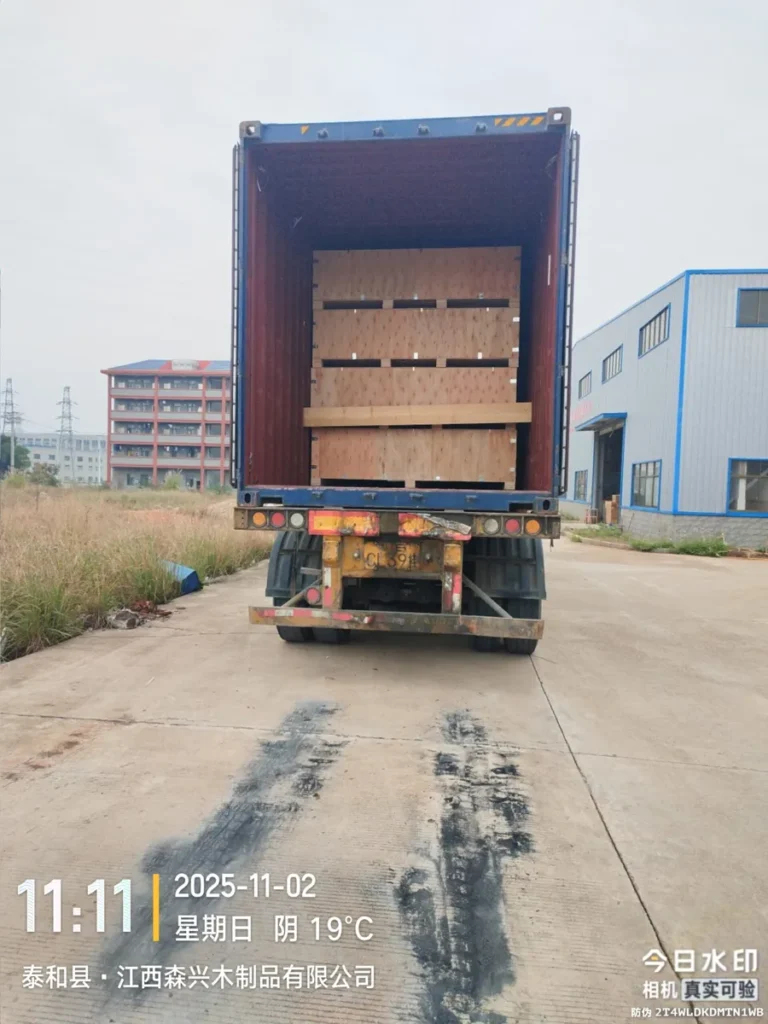
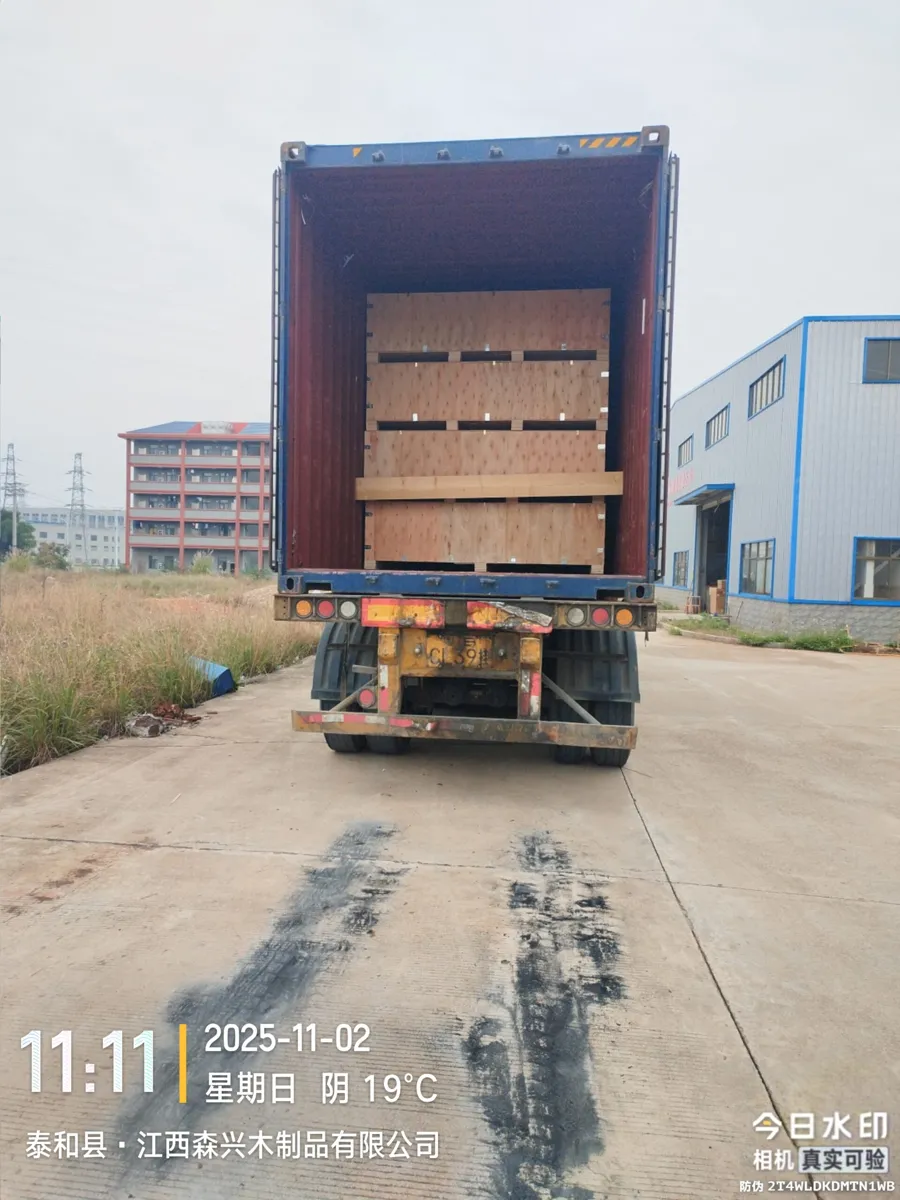
Container shipping worksheet
Complete sauna container shipping worksheet fields
Container planning should combine model mix, package dimensions, CBM, loading sequence, document checks, and arrival inspection. This worksheet helps the buyer compare shipping plans without turning the article into a quote request.
| Shipping area | Fields to record | Logistics question it answers |
|---|---|---|
| Shipment scope | Model codes, quantities, product family, assembled or knock-down package, accessory cartons, heater/controller cartons, spare parts, and private-label items. | What is actually being loaded and whether the goods are mixed-model or single-model. |
| Package data | Carton or crate size, CBM, gross weight, package count, pallet use, glass protection, moisture protection, stackability, and fragile marks. | Whether the shipment fits LCL, 20ft, 40ft, or 40HQ planning. |
| Loading evidence | Loading sequence, heavy item location, carton label photo, crate photo, loading photo, container seal photo, exception photo, and final count. | Which visual proof should exist before the container leaves the factory. |
| Document file | Packing list, commercial invoice, HS-code discussion, bill of lading draft, certificate route, manual language, shipping mark, and destination contact. | Which files should be checked before shipment rather than at customs clearance. |
| Arrival handoff | Warehouse owner, unloading equipment, delivery appointment, arrival photo, damage note, missing item owner, and claim deadline. | How the importer turns factory loading proof into receiving and after-sales records. |
For the editable container shipping worksheet, send CSauna the model mix, package method, destination port or warehouse, container target, and whether the shipment is sample, LCL, FCL, or mixed container. No quote request is required for the worksheet.
How to Pack and Ship Saunas in a 40ft Container: A Buyer’s Guide
Introduction
Importing saunas from China or Southeast Asia can cut your costs by 30–40% compared to buying from a domestic distributor. But the savings come with a catch: you need to understand how saunas travel across oceans in shipping containers. Get it wrong and you could receive warped wood, cracked glass, or missing hardware — problems that erase your savings fast. Sauna container shipping is more complex than it looks. A 40ft container isn’t just a big box. How you load it, how the sauna is packed inside, and what happens during transit all affect the quality of what arrives at your warehouse. This guide walks you through everything importers need to know to protect their investment and receive a shipment they’re proud to sell. Whether you’re ordering barrel saunas, cabin saunas, or indoor sauna kits, the principles covered here apply. By the end, you’ll know exactly what to look for at every stage — from factory packing to container loading to arrival inspection. wholesale pricingWhy Container Loading Matters for Sauna Quality
Most sauna damage doesn’t happen at sea. It happens during loading, when a crate shifts in the container, or when poor packing lets cargo move during transit. Ocean shipping is rough — a container ship rolls in heavy seas, and your sauna experiences vibrations and micro-movements for weeks. The factory’s packing job determines whether your sauna survives the journey intact. A well-packed sauna arrives looking like it left the factory yesterday. A poorly packed one arrives with problems that aren’t always visible at first glance. Wood is especially sensitive. Canadian red cedar, the preferred material for premium saunas, is dense but still vulnerable to moisture and impact. If the wood absorbs moisture during loading in a humid port, or if the crate gets crushed by other cargo, you’ll see the consequences in warped panels, loose joints, and doors that don’t close properly. Beyond wood, glass doors and windows are the most fragile components. Tempered glass handles impacts poorly when it’s not supported correctly. Heaters, even when crated separately, can shift and dent their housings if not anchored. Bottom line: the factory’s packing quality directly controls what arrives at your destination. This is why experienced importers specify packing requirements in their purchase orders and inspect the packing before containerization.Standard Container Dimensions vs Sauna Sizes
Before you can plan your shipment, you need to know what fits where. A standard 40ft container provides approximately 12,025mm (39ft 6in) of length, 2,352mm (7ft 8in) of width, and 2,393mm (7ft 10in) of height. The door opening is 2,343mm wide and 2,280mm high. These numbers matter because saunas are bulky goods — they don’t use the full volume efficiently, and you’ll often pay for space you can’t fill. Here’s how the main sauna types typically pack into a 40ft container: Barrel Saunas are among the most container-friendly designs. Their cylindrical shape allows reasonable stacking, and most barrel sauna models come in lengths from 2.0m to 3.0m with a diameter of 1.8m to 2.2m. A 40ft container typically fits 4 to 6 complete barrel saunas depending on the exact dimensions. Cabin Saunas are essentially wooden rooms with walls, floors, ceilings, benches, and a heater. They’re shipped as flat-pack kits with panels stacked against each other. A medium 4–6 person cabin sauna takes up significant floor space. A 40ft container usually holds 2 to 3 complete cabin saunas. Indoor Saunas are similar to cabin saunas but designed for interior installation. They’re typically shipped in more compact packaging since they don’t need weatherproofing for outdoor exposure. When working with your supplier, get the exact external dimensions of the crated sauna. Calculate how many units fit in a 40ft container and negotiate accordingly. Freight costs are calculated per container, not per unit, so packing efficiency affects your bottom line directly.How CSauna Packs Cabin / Barrel / Indoor Saunas
At CSauna, we treat packing as part of the manufacturing process, not an afterthought. Every sauna that leaves our facility goes through a standardized packing protocol designed to survive ocean transit. For barrel saunas, each unit is wrapped in moisture-resistant barrier film to protect the wood during loading in humid ports. The barrel is placed on a reinforced wooden pallet and secured with metal strapping. Glass components are packed separately in double-walled cardboard boxes with foam inserts. The heater, if included, ships in its own crate with foam cushioning. For cabin saunas, panels are stacked and wrapped in a specific order to minimize movement inside the crate. The thickest panels — back wall and side walls — form the outer faces of the stack. Benches are strapped to the floor panels to create a solid base. All glass doors and windows are packed individually with corner protection and labeled “FRAGILE.” The heater ships separately, strapped to its own pallet inside the container. For indoor saunas, packing is more compact since weatherproofing isn’t required. The kit is wrapped in a single layer of protective film and cardboard edge protection on all corners. Glass panels receive extra padding. Before the container is sealed, we recommend arranging an independent inspection (more on this in the checklist section below) or at minimum requesting photos of the loading process. Many factories will send you photos of the container before it leaves the port.What to Check When Your Container Arrives
When your container reaches its destination, don’t wait days to unpack. Inspect it within 24 hours of delivery so you can file a claim if there are issues. Start with the container itself. Before unloading anything, check that the container doors seal properly and that there are no signs of water intrusion — water stains on the floor, a musty smell, or wet cargo visible through gaps. If the container door seals were intact at origin but the door shows signs of moisture inside, you may have a condensation problem during transit, not a loading problem. Document everything before you unload. Take photos of the container interior from all angles before moving anything. If you see damage to the crate, photograph it with the door open so the context is clear. Check each crate for visible damage. Look for crushed corners, torn wrapping, and wet spots. Open each crate carefully and inspect the components inside. Don’t assume that a pristine-looking crate contains pristine contents — wood can warp inside a seemingly intact package. Build your inspection checklist around these categories:- Wood panels: warping, cracking, water stains, mold
- Glass: cracks, chips, loose seals
- Hardware: missing bolts, screws, brackets
- Heater: dents, damaged controls, loose wiring
- Accessories: benches, backrests, bucket and ladle, rocks
Common Mistakes Importers Make
After years of working with sauna importers, CSauna has seen the same mistakes repeat. Avoid these and you’ll save thousands in avoided losses. Mistake 1: Not specifying packing requirements in writing. If you tell your supplier “pack saunas well,” you have no recourse when they arrive damaged. Specify exactly what packing you expect: materials, reinforcement, strapping, and whether glass should ship separately. Put it in the purchase order. Mistake 2: Skipping the pre-shipment inspection. A professional inspector at the factory costs $80–$150 per hour. For a full container, two to three hours of inspection can catch problems before they become your problem. This is one of the best investments an importer can make. Mistake 3: Accepting freight on a “as is” basis without inspection. Freight companies are not responsible for packing quality, only for damage caused during handling. But if you accept the freight without noting damage on the delivery receipt, you lose your right to claim against the carrier. Always inspect before signing. Mistake 4: Storing saunas in a humid environment after delivery. Even perfectly packed saunas can absorb moisture if stored in a damp warehouse. Keep saunas in a dry, ventilated space until installation. Stacking crates against exterior walls in a non-climate-controlled warehouse is an invitation for mold. Mistake 5: Not confirming container calculations. Always verify with your supplier how many sauna units actually fit in a 40ft container. Some suppliers deliberately undercount to give you a lower shipping estimate, then charge you for additional containers at the last minute.Conclusion
Sauna container shipping doesn’t have to be a source of anxiety. The process is straightforward when you work with a supplier that treats packing as seriously as manufacturing, and when you understand your role in the inspection chain. Know your container dimensions. Specify packing requirements. Invest in a pre-shipment inspection. Inspect immediately upon arrival. These four steps solve most of the problems that importers encounter. At CSauna, we pack every sauna to survive the journey because we know your business depends on receiving quality goods. If you have questions about how we pack specific models or want to discuss shipping options for your order, we’re happy to walk you through the details. *Ready to source premium saunas factory-direct? [Contact CSauna](/contact) for a free quote.* CE certification quality inspection checklist Barrel Sauna product pageContainer loading matrix
Shipping data to confirm before container planning
Container planning depends on product footprint, packing method, accessory count, and whether the order mixes several sauna model families.
| Shipping input | Why buyers need it | Record to keep |
|---|---|---|
| Packed dimensions | Determines container fit, LCL feasibility, and warehouse handling. | Crate length, width, height, gross weight, and stack rule. |
| Order mix | Mixed barrel, cube, cabin, and spare-parts orders need loading priority. | Model list, quantity, fragile items, and loading order. |
| Destination handling | Forklift, tail lift, warehouse dock, or jobsite delivery changes packing risk. | Unloading method and delivery access note. |
| Document set | Commercial invoice, packing list, labels, certificate copy, and manual package. | Document owner and deadline before shipment. |
- Confirm whether the order is sample, LCL, mixed container, or full container.
- Keep product photos and crate photos together in the buyer shipment file.
- Check destination port, inland route, and warehouse restrictions before final packing.
- For private-label orders, confirm labels and manuals before container loading.
Logistics evidence worksheet
Container Shipping Evidence Worksheet
Container shipping problems usually come from missing details: carton marks, loading sequence, CBM assumptions, accessory boxes, destination handling, and arrival evidence. This worksheet gives buyers a cleaner way to review shipping before and after loading.
Before loading
Confirm product count, carton count, model codes, accessories, manuals, labels, and destination marks.
During loading
Keep photos of container number, loading sequence, crate condition, and final seal.
After arrival
Record carton condition, shortage, damage, warehouse photos, and unpacking evidence before starting a claim.
Loading photo checklist
Ask for a complete loading photo set when the shipment is mixed, private-label, or containerized for a dealer program.
| Photo field | What it should show | Why it matters | File name example |
|---|---|---|---|
| Container number | Container ID, truck position, and empty container condition. | Connects the photo set to the correct shipment. | container-number-01.jpg |
| Carton or crate marks | Model code, carton count, destination mark, handling mark, and private label if any. | Helps warehouse teams identify products after arrival. | carton-mark-csa-184-02.jpg |
| Loading sequence | How sauna cartons, heaters, glass, accessories, and manuals are placed. | Helps investigate damage or missing accessories. | loading-sequence-03.jpg |
| Accessory boxes | Heater, controller, glass hardware, manuals, labels, spare parts, and small carton location. | Small boxes are the easiest items to lose. | accessory-box-location-04.jpg |
| Final seal | Loaded container, door close, seal number, and final loading condition. | Useful for logistics handover and claim records. | final-seal-05.jpg |
Container planning table
Use this table before the shipment is booked, especially for mixed sauna models.
| Planning field | Buyer input | Supplier confirmation | Risk if missing |
|---|---|---|---|
| Model mix | Model codes, quantities, heater choices, and accessories. | Carton count and loading order. | Wrong SKU mix or accessory shortage. |
| CBM and weight | Expected container type, delivery route, and warehouse limits. | Estimated CBM, gross weight, and packing method. | Unexpected LCL, extra handling, or warehouse issue. |
| Labels and manuals | Brand label, carton mark, manual language, compliance label needs. | Print file, placement, and approval deadline. | Private-label delay or relabeling cost. |
| Destination handling | Port, warehouse, forklift access, liftgate need, or final-mile route. | Packing or unloading note. | Damage during unloading or missed delivery requirements. |
Arrival inspection table
Do not wait until installation to record shipping evidence. The arrival check protects both buyer and supplier.
| Arrival check | What to record | Photo needed | Next action |
|---|---|---|---|
| Container and seal | Seal number, container number, delivery date, and visible exterior condition. | Container door and seal photo. | Compare with loading record. |
| Carton count | Received carton count by model and accessory box. | Wide warehouse photo plus carton marks. | Report shortage before unpacking continues. |
| Visible damage | Crushed carton, water mark, torn wrap, broken crate, or loose pallet. | Wide photo and close-up. | Separate logistics claim from product issue. |
| Accessory match | Heater, controller, manual, glass hardware, labels, and spare parts. | Accessory box and label photo. | Create missing part list quickly. |
| Unpacking result | Product condition after opening high-risk cartons. | Before/after unpacking photos. | Open service ticket if needed. |
Editable worksheet available
CSauna can share an editable container loading and arrival inspection worksheet. Send a message with shipment type, destination country, model mix, private-label needs, and whether the order is sample, LCL, mixed container, or FCL.
Open the CSauna product catalog Spare parts stock level guide