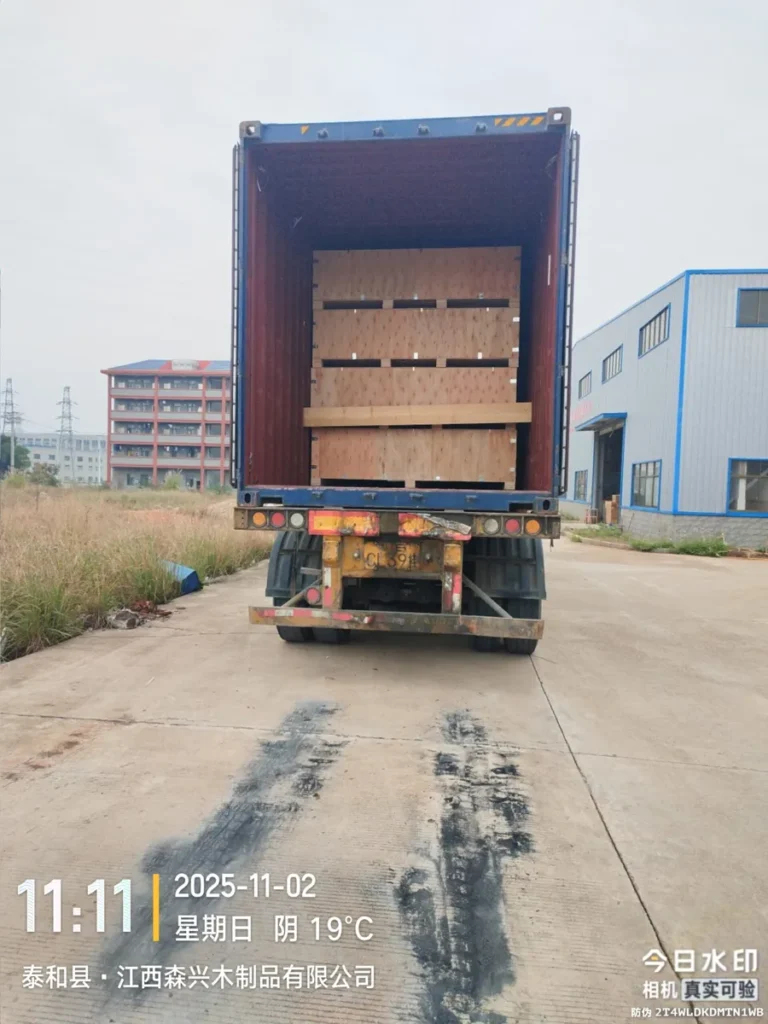
Wholesale price worksheet
Sauna wholesale price comparison worksheet
A low unit price is not enough to judge a sauna supplier. Buyers need to separate the product body, heater route, packing method, documents, loading cost, and after-sales reserve before comparing offers.
| Cost line | What to request from supplier | Risk if missing | Buyer comparison note |
|---|---|---|---|
| Base product | Model code, exterior size, capacity, wood species, glass/door layout, bench layout, finish, and included accessories. | Two quotes may look similar while one has thinner materials, fewer accessories, or a different door/glass layout. | Compare by model file, not only by title or photo. |
| Electrical route | Heater brand, kW, voltage, phase, controller, infrared panel wattage, plug/breaker note, and market document route. | The buyer may receive a price that does not match the destination market or installer requirement. | Record North America, EU/Europe, UK/230V, or Southeast Asia/Oceania assumptions separately. |
| Packing and loading | Carton/crate method, CBM, gross weight, package count, loading quantity, spare-parts carton, and label/manual language. | A cheap product price can become expensive after oversized packing, low loading quantity, or weak crate protection. | Compare landed cost per sellable unit, not only EXW or FOB unit price. |
| Compliance and files | Manuals, labels, CE route, UL/ETL questions, inspection photos, material/finish notes, invoice description, and HS-code discussion. | Import delays, retailer rejection, or extra document work after deposit. | Keep document readiness as a scored item in the supplier comparison. |
| After-sales reserve | Warranty wording, spare-parts kit, replacement glass/door/heater lead time, claim process, and dealer service support. | Margin disappears when the buyer has no spare-parts plan or slow replacement route. | Add a service reserve to the pricing worksheet for distributor programs. |
For the editable sauna wholesale price worksheet, send the competing price lines, model scope, heater route, packing data, and destination market. No quote request is required for the worksheet.
Sauna Wholesale Pricing: What Affects the Cost and How to Get the Best Deal
Introduction
If you’re in the market for saunas — whether you’re a retailer stocking your showroom, a hotel outfitting a new spa, or a contractor building a wellness facility — you want the best sauna wholesale price without sacrificing quality. The problem is that sauna pricing isn’t transparent. The same barrel sauna can cost $1,800 from one supplier and $3,200 from another, and without understanding what drives the difference, you’re guessing. sauna container shipping Understanding what affects sauna wholesale price is the key to negotiating confidently and avoiding the two worst outcomes: overpaying for a quality product, or buying cheap enough to regret it later. This guide breaks down every factor that influences factory pricing, typical price ranges for the main categories, and the strategies that experienced buyers use to get fair deals.Key Factors That Affect Factory Pricing
Wood Species
The type of wood is the single biggest driver of material cost in a sauna. Different species perform very differently in the hot, humid environment of a sauna. Canadian Red Cedar is the premium choice. It naturally resists moisture, doesn’t absorb odors, and has a distinctive warm aroma that defines the classic sauna experience. Cedar also handles temperature swings without cracking or warping, making it ideal for outdoor saunas exposed to the elements. However, Canadian cedar is a limited resource, and prices reflect scarcity and quality. Expect to pay 30–50% more for cedar compared to other wood species. Nordic Spruce is the traditional European sauna wood. It’s lightweight, pale in color, and takes stains and treatments evenly. Spruce grows in cold climates, producing tight annual rings that translate to good dimensional stability. It’s priced between cedar and softer domestic species. Hemlock is a cost-effective alternative that many manufacturers prefer for indoor saunas. It’s pale, takes finishing well, and has a subtle grain pattern that works for modern minimalist interiors. Hemlock doesn’t have the aromatic character of cedar, but it performs reliably at a lower price point. Aspen is a soft, pale wood used primarily in budget saunas and some Scandinavian models. It’s pleasant to the touch but not as durable as spruce or cedar over the long term. The wood species you choose affects not just the purchase price but the perceived value of the finished product. A cedar sauna commands a higher retail price than a hemlock sauna of the same dimensions, so your margin profile differs accordingly.Sauna Size and Layout
Larger saunas require more material, more labor, and more shipping volume. But the relationship isn’t perfectly linear — a 6-person sauna doesn’t cost twice what a 3-person sauna costs. There’s a economies-of-scale effect, especially in the factory. Barrel saunas are priced partly by diameter and length. The most popular sizes — 2.0m diameter, 2.5m length — hit a manufacturing sweet spot that keeps per-unit costs reasonable. Unusual dimensions, especially oversize units, cost disproportionately more because they require special cutting and may not pack efficiently into shipping containers. Cabin saunas are priced by the square meter of interior space, with adjustments for features like curved benches, rounded corners, or premium door hardware. A basic rectangular cabin costs less than an L-shaped cabin of equivalent volume.Heater Type and Brand
The heater is the heart of the sauna — and a significant portion of the total cost. Electric sauna heaters from quality brands like Harvia, Huum, or EOS cost $800–$2,500 depending on power rating and features. A basic imported electric heater might cost $300, but the difference in reliability, safety certification, and customer satisfaction is substantial. Wood-fired heaters are a specialty category. They require more complex installation, additional clearances, and often come with their own certification requirements. A quality wood-fired sauna heater adds $600–$1,800 to the bill depending on whether it’s a simple steel stove or an architecturally designed model. Factory-built saunas often include a heater in the package price. Some buyers prefer this — it simplifies procurement. Others want to specify their own heater brand, either for quality reasons or to take advantage of existing supplier relationships. Know what you want before you start comparing quotes.Certification and Compliance
CE certification, required for all electric saunas sold in Europe, adds cost because the testing and documentation process is not free. A factory that has already completed CE testing for its models has already absorbed that investment, but those costs are reflected in the base price. A factory that is CE certified for the first time may charge more for the documentation and testing process, or may cut corners on the certification. Similarly, saunas destined for North America should ideally carry ETL or CSA certification for electrical components. Factories that already hold these certifications have a compliance infrastructure in place. Factories that don’t may not fully understand the requirements. Buyers importing into regulated markets should always verify that the factory’s certificates are genuine and current. A suspiciously low price often reflects missing or fraudulent certification.Customization and OEM/ODM Requirements
Standard catalog products are always cheaper than custom builds. When you request custom dimensions, special wood species, branded components, or non-standard configurations, the factory’s per-unit cost increases. The reasons are straightforward: custom work breaks the efficiency of the production line, often requires new tooling, and increases the chance of errors. If you’re planning to sell under your own brand, factor in the costs of OEM customization: custom logo application (usually $20–$80 per unit), custom packaging design and printing, and potentially MOQ commitments that are higher than for standard products.Typical Price Ranges for Barrel / Cabin / Indoor Saunas (Wholesale)
These ranges reflect 2026 factory-direct pricing for standard configurations. They exclude shipping, duties, and import costs, which vary by destination country. Barrel Saunas:- 2-person (1.8m diameter, 2.0m length): $1,400–$1,900
- 4-person (2.0m diameter, 2.5m length): $1,900–$2,600
- 6-person (2.2m diameter, 3.0m length): $2,500–$3,400
- Premium cedar upgrades add $400–$900 to any barrel model
- Wood-fired heater option: add $600–$1,200
- 2–3 person compact cabin (1.8m × 1.8m): $1,600–$2,200
- 4–6 person standard cabin (2.0m × 2.4m): $2,200–$3,200
- 6–8 person large cabin (2.4m × 3.0m): $3,000–$4,500
- Premium cedar interior upgrade: add $300–$700
- Premium heater package: add $400–$1,500
- 1–2 person indoor kit: $1,200–$1,800
- 3–4 person indoor kit: $1,800–$2,800
- 5–6 person premium indoor: $2,800–$4,200
Why Factory-Direct Is 30–40% Cheaper Than Distributor Pricing
If you’ve been buying from a distributor or wholesale showroom, the gap between what they pay and what you pay might surprise you. Here’s why factory-direct pricing is typically 30–40% below distributor pricing. A typical distribution chain for saunas looks like this: Factory → Export Agent → International Distributor → Regional Wholesaler → Retailer → End Customer. Each step in this chain adds margin. A distributor buying from an export agent pays more than factory-direct. A regional wholesaler buying from the distributor pays more again. By the time a retailer buys from a regional wholesaler, the cumulative margin stack can be 50–70% above the factory price. When you buy factory-direct, you eliminate two or three middlemen from this chain. The factory sells to you at a price that still includes their margin — but not the layers of intermediaries that each take their cut. You become the importer, responsible for freight and customs, but the savings typically far exceed the added logistics costs. The factory-direct model also gives you something that distributors can’t: direct communication with the people who actually build your saunas. If there’s a quality issue or a specification question, you talk to the factory, not a customer service representative who has to relay messages through a chain of command.How to Evaluate If a Price Is Fair
A low price isn’t a good deal if the quality isn’t there. Here’s how to evaluate whether a quotation is fair. First, compare on identical specifications. Don’t compare a quote for a cedar barrel sauna with an electric heater against a quote for a hemlock sauna without a heater. Get quotes on the same specification from multiple factories, then compare line by line. Second, ask for a breakdown. A single lump-sum price hides too much. Request pricing broken down by: wood and materials, labor, heater and electrical, packaging, and any certifications or customization. This forces the supplier to show their math and gives you room to negotiate individual line items. Third, check the factory’s track record. A factory with 10 years of experience building saunas for export markets is more likely to deliver consistent quality than a new factory that started making saunas last year. Ask for references from buyers in your market. Look at how long they’ve been building for export versus domestic. Fourth, factor in total cost of ownership. The purchase price is only part of what a sauna costs over its lifetime. A cheap heater that fails in two years costs you more in replacement, shipping, and reputation than a quality heater that lasts a decade.MOQ and Payment Terms Explained
Minimum Order Quantity (MOQ) is the fewest units a factory will produce for a given product. For standard catalog sauna models, MOQ is typically 1 unit — you can buy a single sauna direct from most factories. For custom OEM orders, MOQ typically starts at 5 to 20 units depending on the complexity of the customization. The MOQ for a new OEM configuration is often higher because the factory has to invest in tooling, printing, or process changes that only make sense if they can amortize the cost over enough units. Payment terms in sauna manufacturing are typically:- 30–50% deposit to start production
- Balance payment before shipment (or against Bill of Lading)
- Some factories accept letter of credit for orders above $30,000
Conclusion
Getting a fair sauna wholesale price starts with understanding what you’re buying and why the price is what it is. Wood species, size, heater quality, certification requirements, and customization all drive real cost differences that you’ll see reflected in the quote. The buyer who understands these factors negotiates from strength, while the buyer who just compares final prices without understanding what’s inside them tends to overpay or buy the wrong product. Factory-direct sourcing eliminates the middlemen who add 30–40% to the cost of a sauna. The savings are real, but they come with added responsibility: you need to understand shipping, import compliance, and quality assurance in ways that a distributor relationship would handle for you. At CSauna, we believe educated buyers make better partners. Ask us for a detailed quotation on any configuration you have in mind — we’ll break down the pricing so you understand exactly what you’re paying for and why. *Ready to source premium saunas factory-direct? [Factory profile](/contact) for a free quote.* OEM/ODM manufacturing sauna business ROI Cabin Sauna product pagePricing comparison worksheet
Separate price drivers before comparing sauna quotes
Wholesale pricing is easier to read when buyers separate product scope, customization, packing, shipment mode, and after-sales support instead of comparing only one headline price.
| Price driver | What changes the quote | Buyer record |
|---|---|---|
| Model family | Barrel, cube, cabin, glass-front, commercial room, or indoor sauna format. | Shortlisted model code and product link. |
| Material and finish | Cedar, hemlock, spruce, dark exterior, glass style, and hardware color. | Finish note, reference photo, and approval sample if needed. |
| Heater and voltage | Electric heater, wood stove, infrared system, controls, and market voltage. | Heater preference, voltage, and certification expectation. |
| Packing and logistics | Crate size, mixed container, spare parts, labels, manuals, and destination port. | Packing note, shipment mode, and required documents. |
- Compare quotes only after the model scope and heater scope are clear.
- Record what is excluded: installation, local electrical work, tax, duty, inland delivery, or service labor.
- Ask for packing dimensions when landed cost is part of the buying decision.
- Keep sample-order and repeat-order assumptions separate.
Cost and logistics worksheet
Sauna Pricing and Sauna Wholesale Pricing Guide Worksheet
This appendix turns the article into a practical B2B resource. Use it to collect buyer input, attach photos or screenshots, compare supplier replies, and keep an editable worksheet record for the project file.
Buyer input
Collect the exact model, site, document, photo, screenshot, and decision context before sharing the resource with another team.
Supplier or internal reply
Ask for a reply that states what is confirmed, what is missing, and what still needs local or buyer-side review.
Closeout record
Keep the worksheet with the buyer file so the same decision can be reused for future orders, service, training, or project handover.
Buyer working table
Use this table before sending the article to a buyer, dealer, project team, or supplier contact.
| Field | Buyer should record | Supplier or internal owner should confirm | Evidence to attach |
|---|---|---|---|
| Model and quantity scope | Record model code, product URL, quantity range, heater option, accessory scope, and private-label needs. | Confirm included items, excluded items, packing method, and any price-change trigger. | Product URL, quotation, product image, and accessory list. |
| Shipment route | Record destination country, port, warehouse, FCL/LCL/sample route, and delivery constraints. | Confirm carton count, CBM, gross weight, loading note, and document package. | Packing list, loading photo, freight note, and destination cost note. |
| Commercial terms | Record payment term, validity, delivery term, inspection need, and after-sales reserve. | Confirm what is fixed, what is estimated, and what must be checked locally. | Quotation PDF, invoice draft, broker note, and buyer spreadsheet. |
Photo, screenshot, and file evidence
Evidence should be named clearly so the same file can support supplier review, buyer education, service follow-up, or project handover.
| Evidence item | What it should show | When to collect it | File name example |
|---|---|---|---|
| Quotation screenshot | Unit price, included scope, payment term, shipment term, and validity. | Before comparing suppliers. | quote-scope-01.png |
| Packing or loading photo | Carton mark, crate condition, accessory boxes, and loading order. | Before shipment or when checking damage/shortage. | packing-loading-02.jpg |
| Destination cost note | Duty, broker, warehouse, inland delivery, inspection, and local handling. | Before landed-cost approval. | destination-cost-03.xlsx |
| Model reference page | The exact sauna model or nearest reference used in the cost sheet. | When cost depends on size, heater, glass, or wood. | model-reference-04.txt |
Reply and closeout table
The reply should help the buyer make a decision, not only repeat that the request has been received.
| Reply area | What the reply should include | Buyer follow-up |
|---|---|---|
| Cost scope reply | Separate product, packing, freight, document, and optional accessory assumptions. | Compare only like-for-like quotes. |
| Risk reply | Name the cost items that may change after model, route, label, or local requirement changes. | Add owner and deadline for each unknown. |
| Document reply | List invoice, packing list, manual, certificate, label, and loading photo availability. | Check with broker or buyer compliance team. |
Editable worksheet available
CSauna can share an editable worksheet version for this resource. Send a message with the article name, buyer type, target model or project context, and the fields your team wants to track.
Open the CSauna product catalog Factory profile