For OEM or ODM work, the file should connect model choice, logo and packaging, material direction, compliance notes, sample approval, and revision history. This keeps brand decisions visible before drawings and cartons are locked. When development moves into a market launch, use the private-label launch checklist to track the buyer files that sit outside the product drawing.
Brand scopeTarget market, brand position, logo use, color direction, manual language, and packaging style.
Model scopeBase model, custom size, wood, glass, bench layout, heater route, voltage, and accessory package.
Production handoffMOQ, lead time, inspection points, spare parts, loading plan, and final buyer-file confirmation.
Decision area
Buyer should provide
Factory should confirm
Private label
Logo files, label position, manual language, carton mark, and warranty card requirement.
Print method, file format, sample proof, and cost impact.
Product revision
Model reference, changed dimensions, glass direction, bench layout, and finish sample.
Drawing update, structure risk, tooling need, and approval deadline.
Launch order
SKU mix, quantity, destination, target retail channel, and first shipment plan.
MOQ route, packing method, inspection scope, and document list.
No quote request is required to use this structure. Send a message only if you want CSauna to prepare the editable OEM/ODM handoff file for your model family.
OEM/ODM Sauna Manufacturing: A Guide for Brands and Retailers
Introduction
If you’re building a sauna brand — whether you’re a retailer looking to private-label your own product line, a hotel group outfitting multiple properties under a unified brand aesthetic, or a wellness startup launching a new concept — you’re sooner or later going to encounter the terms OEM and ODM. Understanding what they mean, what they enable, and how to work effectively with a sauna OEM manufacturer is essential to moving from idea to product without getting trapped in costly rework or missed deadlines.
OEM and ODM relationships are the backbone of the global sauna industry. Very few brands — even large ones — manufacture their own saunas from scratch. Most source from factories that specialize in specific product categories and customize them for different brands. The question isn’t whether to use an OEM/ODM relationship; it’s how to structure one that delivers a product your customers will love, at a price that makes your business viable.
This guide explains the practical difference between OEM and ODM, what can be customized, what typical commitments look like, and how to choose and vet a manufacturer. Whether you’re ordering your first private-label container or renegotiating an existing relationship, these principles apply.
OEM vs ODM Explained
OEM (Original Equipment Manufacturer) means you provide the design and specifications, and the factory manufactures to your exact requirements. The factory builds what you tell them to build — your dimensions, your materials, your hardware, your branding. The factory contributes manufacturing capability, not design. You own the design; the factory owns the production process.
wholesale pricing
An OEM relationship makes sense when you have specific engineering requirements, when you’re building a highly differentiated product, or when the customization goes so deep that existing catalog products don’t serve as a starting point. OEM typically requires more design work upfront from the buyer, but gives you maximum control over the final product.
ODM (Original Design Manufacturer) means the factory provides a starting design — their catalog model — which you then customize to some degree. The factory has already done the engineering work: structural calculations, wood joinery details, heater sizing. You select from options and apply your branding. ODM relationships move faster and have lower upfront costs because the base design already exists.
An ODM relationship makes sense when you want to private-label an existing proven design with relatively modest customization (logo, color, specific accessories, packaging). You get to market faster and with less engineering investment, at the cost of less differentiation.
Most buyers start with ODM and migrate to OEM as their product line matures and their volume justifies the engineering investment.
What Can Be Customized
Dimensions and Layout
The most common customization is size. Most factories build to standard dimension increments, but can cut panels and staves to custom lengths. The practical limits are set by shipping constraints — a sauna wider than 2.4m won’t fit through a standard 40ft container door — and by the structural requirements of the specific design. Barrel saunas have tighter dimensional limits than cabin saunas because the stave structure is more sensitive to changes in diameter and length.
Interior layout — bench height, bench configuration, placement of the heater, position of doors and windows — is typically adjustable within the OEM context. Most factories have standard bench heights (typically 40–55cm for the lower bench, 55–65cm for the upper) that they’re reluctant to deviate from because they affect ergonomics and heater airflow.
Wood Species and Finish
The standard wood species for the factory’s catalog can typically be substituted: cedar to hemlock, spruce to aspen, or within cedar grades. Wood finish — whether the wood is left natural, stained, or oiled — affects both appearance and cost. Some factories offer pre-finishing (staining and sealing) at the factory; others ship unfinished wood and the finishing is done on-site or by a local contractor.
For outdoor saunas, the exterior treatment is a significant customization point. Basic models ship untreated on the exterior. Better models ship with a factory-applied exterior stain and water repellent. Premium models may include a multi-coat exterior finish system with UV protection.
Heater Selection
OEM buyers frequently specify their own heater brand rather than accepting the factory’s default. This is common when the buyer has an existing relationship with a heater brand, when they want a specific heater model for performance reasons, or when the heater needs to match the voltage and plug configuration of the destination market.
When specifying a heater, provide the heater model, power rating (kW), and voltage/phasing requirements (230V single-phase is standard in most markets; 400V three-phase is common for large commercial heaters). The factory will confirm that the heater fits their sauna design and adjust the heater mounting or clearance requirements as needed.
Branding and Packaging
Logo application: Factory-applied branding typically includes laser engraving or silk-screen printing on wood panels, a logo badge on the heater housing, and printing on the door. Costs range from $15–$80 per unit depending on the method and the number of colors.
Packaging customization: Branded box design — printing the factory’s standard carton with your logo and product information — is a common first step in private labeling. More sophisticated packaging involves custom-designed cartons, printed assembly instructions, and branded hardware packaging.
Documentation and certificates: OEM buyers can typically request that their company name appear on the Declaration of Conformity (CE/ETL), the product label, and any test reports that cover the product, provided the factory’s certifications are current and cover the specification.
Typical MOQ for OEM Orders
Minimum Order Quantities for OEM sauna orders vary significantly by factory and by the degree of customization.
Standard catalog products (ODM): MOQ is typically 1 unit for most factories with catalog models. Some factories apply a small MOQ of 2–5 units for less common sizes or configurations.
Logo/branding-only customization: MOQ is typically 1–3 units, since this only modifies packaging and labeling, not the product itself.
Custom dimensions or wood species: MOQ typically starts at 3–5 units, because the factory has to set up a non-standard production run.
Full OEM (custom design): MOQ typically starts at 5–20 units depending on the complexity of the customization and the factory’s production planning requirements. Some factories require MOQ of 10+ for first-time OEM customers to justify the tooling and setup costs.
Custom packaging only: MOQ for custom-branded cartons is typically 50–100 units, because the printing setup cost needs to be amortized.
Negotiating MOQ is standard practice. Factories are often willing to reduce MOQ for the first order if you’re committing to larger follow-on orders within 12 months.
Timeline from Design to Delivery
A typical timeline for a first OEM/ODM order:
Weeks 1–2: Specification finalization. You provide dimensions, materials, heater choice, branding requirements, and destination market requirements. The factory confirms feasibility and provides a quotation with a detailed specification breakdown.
Weeks 3–4: Sample approval (if applicable). For significant OEM orders, a sample unit is built and shipped for your approval before mass production begins. Sample timelines are typically 3–5 weeks from specification sign-off, and the sample cost is typically 1.5–3× the per-unit production cost (because it’s a single-unit production run).
Weeks 5–12: Production. Standard production for 1–3 units takes 4–6 weeks. Larger orders (5+ units) may take 6–10 weeks depending on the factory’s current schedule and the complexity of the customization.
Weeks 12–14: Quality inspection and pre-shipment documentation. Pre-shipment inspection (PSI) by an independent inspector typically takes 1–2 days. The factory prepares shipping documentation: commercial invoice, packing list, bill of lading, and certificate of origin.
Weeks 14–18: Shipping. Ocean freight from China to European ports typically takes 3–4 weeks. Add 1 week for customs clearance and last-mile delivery to your warehouse.
Total timeline from specification to delivery at your warehouse: 12–18 weeks for a first OEM order with sample approval. A repeat order of the same specification with no changes can typically be produced and delivered in 10–14 weeks.
How to Choose an OEM Sauna Manufacturer
Check Their Export Track Record
A factory that builds primarily for the domestic Chinese market may lack the quality control processes, documentation standards, and communication practices that export orders require. Ask for references from buyers in your target market. Verify that they have experience with the specific regulations applicable to your destination (CE for Europe, ETL/CSA for North America, etc.).
Evaluate Their Engineering Capability
For OEM orders, the factory’s engineering capability matters. Can they produce detailed drawings based on your specifications? Do they have structural engineers who can verify the integrity of modified designs? Do they have in-house testing capability, or do they rely on external laboratories? Strong engineering capability means fewer surprises during production.
Assess Communication and Responsiveness
The factories that perform best in export markets are the ones where communication doesn’t disappear after the order is confirmed. When you send a specification question, do you get a response within 24 hours? Does the factory flag potential problems proactively, or do they wait until something goes wrong? Communication quality during the inquiry phase is the best predictor of communication quality during production.
Visit If Possible
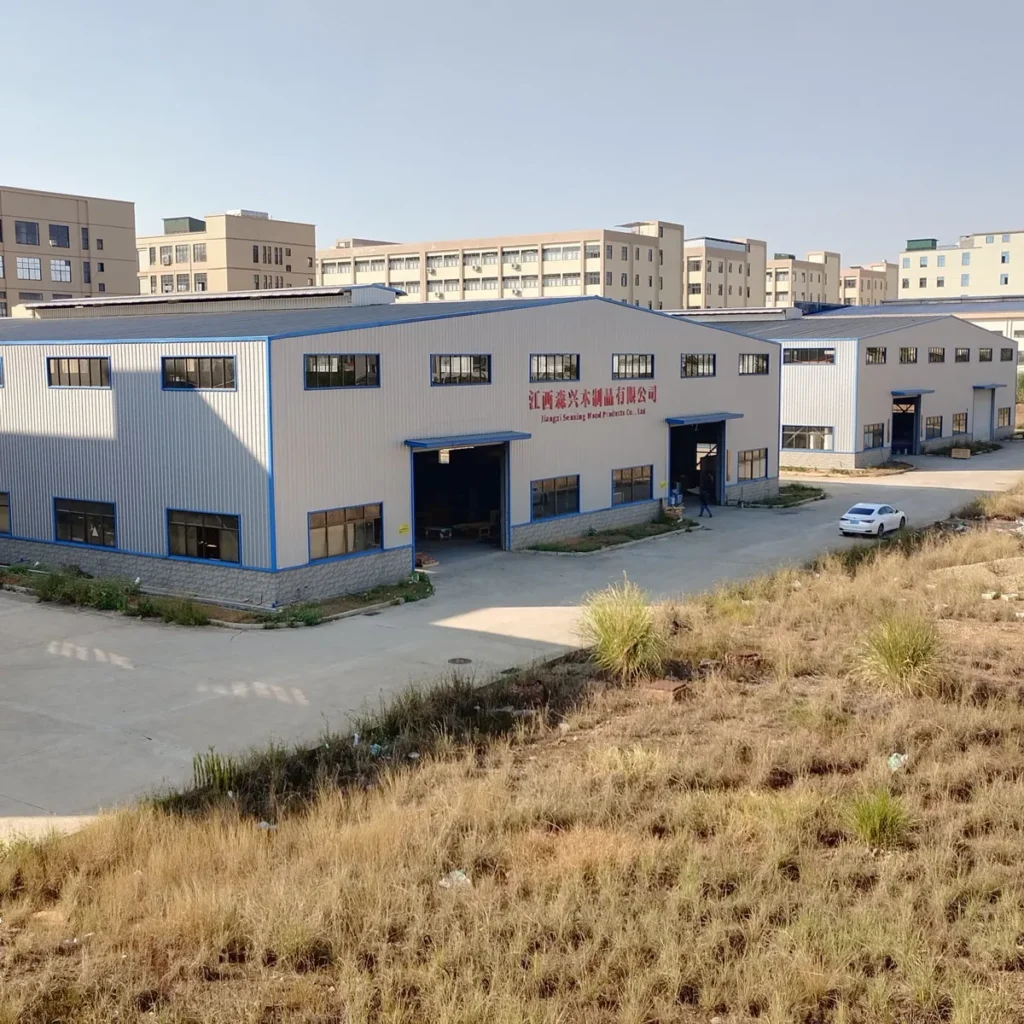
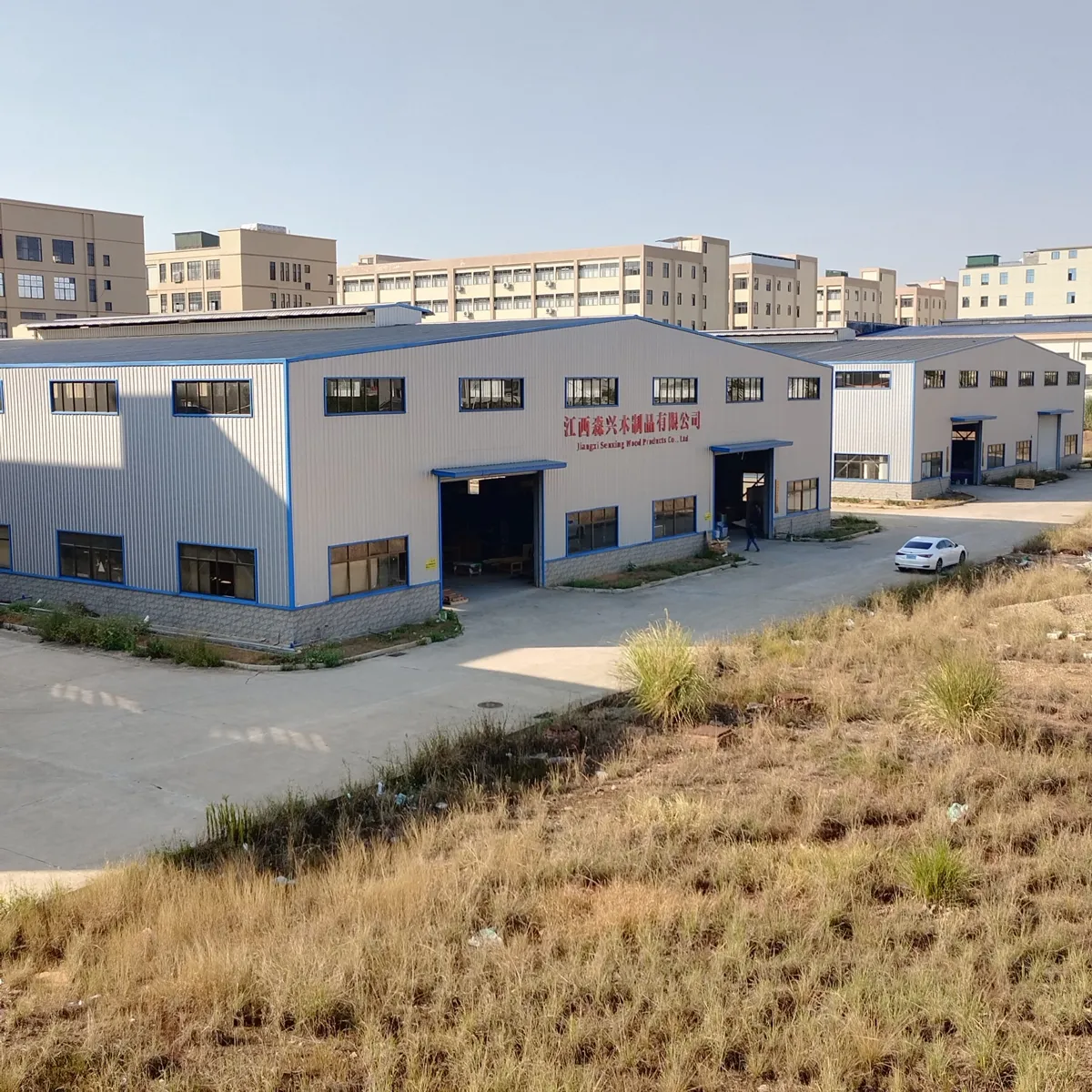
If your order size justifies it — typically orders above $50,000 — visiting the factory before placing your first order is one of the best investments you can make. You can verify the physical reality of what the website photos show, meet the production team, and build a relationship that makes problem-solving easier when issues arise. Many factories that serve export markets actively encourage factory visits and will help with travel logistics.