Private label sauna manufacturer for repeatable branded programs
Private-label sauna manufacturing needs more than a logo on a box. Buyers need a controlled model range, wood and heater decisions, packaging and manual files, SKU naming, spare-parts names, and a reorder baseline. CSauna helps brands, distributors, retailers, and outdoor-living dealers prepare that file.
Private-label file structure
| File | Buyer input | Factory output |
|---|---|---|
| Model file | Model codes, product links, capacity, target sizes. | Shortlist and option notes. |
| Material file | Wood, finish, roof, glass, heater, voltage. | Confirmed production direction. |
| Brand file | Logo, manual language, carton mark, labels, SKU codes. | Artwork checklist and packing notes. |
| Service file | Warranty, spare parts, replacement glass, controller/heater names. | After-sale handoff sheet. |
Decisions to make early
- First SKU range: barrel, cabin, cube, indoor, commercial, or mobile.
- Shared wood and heater route across the launch line.
- Which items carry the buyer brand: nameplate, manual, carton, labels, warranty card.
- How spare parts will be named for dealer or service teams.
Private-label risk table
| Risk | Cause | Prevention |
|---|---|---|
| SKU confusion | Different codes in website, quote, manual, and carton. | Use one buyer SKU and one CSauna model reference. |
| Late artwork changes | Packaging is discussed after production. | Lock brand file before order approval. |
| Unclear after-sale | Parts are not identified. | Create photo-based parts list. |
| Scope drift | Wood or heater changes after quote. | Keep revision history in the buyer file. |
Launch planning
- Start with a small number of repeatable models.
- Keep a sample report before scaling a mixed container.
- Record manual, label, carton mark, and spare-parts decisions in one place.
- Use the same model file for reorder comparison.
How CSauna supports repeat orders
For repeat orders, the useful file is a baseline: model, size, wood, heater, voltage, glass, roof, packing, labels, manuals, spare parts, and changes from the last order. This keeps private-label expansion from becoming a new project every time.
Final buyer file
Before production, confirm product links, model codes, buyer SKU names, brand artwork, wood, heater, voltage, packing, manual language, label files, spare-parts list, inspection photos, and final approval responsibility.
Buyer file note
What we confirm before this request becomes a production file
For a brand owner or distributor building a repeatable private-label SKU file, the useful conversation is not only a unit price. CSauna checks the model code, intended use, exterior size, wood direction, heater and voltage, glass position, bench layout, roof or finish choice, packaging method, spare-parts expectation, label requirement, manual language, and destination before the final production note is locked.
This makes quotation review cleaner because the buyer, sales team, design team, workshop, packing team, and loading coordinator are working from the same file. It also reduces the common B2B problem where two suppliers appear to quote the same sauna, but one quote excludes heater scope, glass protection, accessories, certificate notes, or carton and crate details.
- For samples, confirm finish, voltage, documents, packing photos, and the parts list before dispatch.
- For containers, confirm mixed-model loading, carton marks, spare parts, manuals, and after-sales evidence before shipment.
- For project orders, confirm site responsibility, heater route, glass direction, and approval documents before the drawing is used.
Private-label production handoff
A private-label order is released only after the model, brand and service files describe the same sauna. These records show the production stages connected to that handoff.
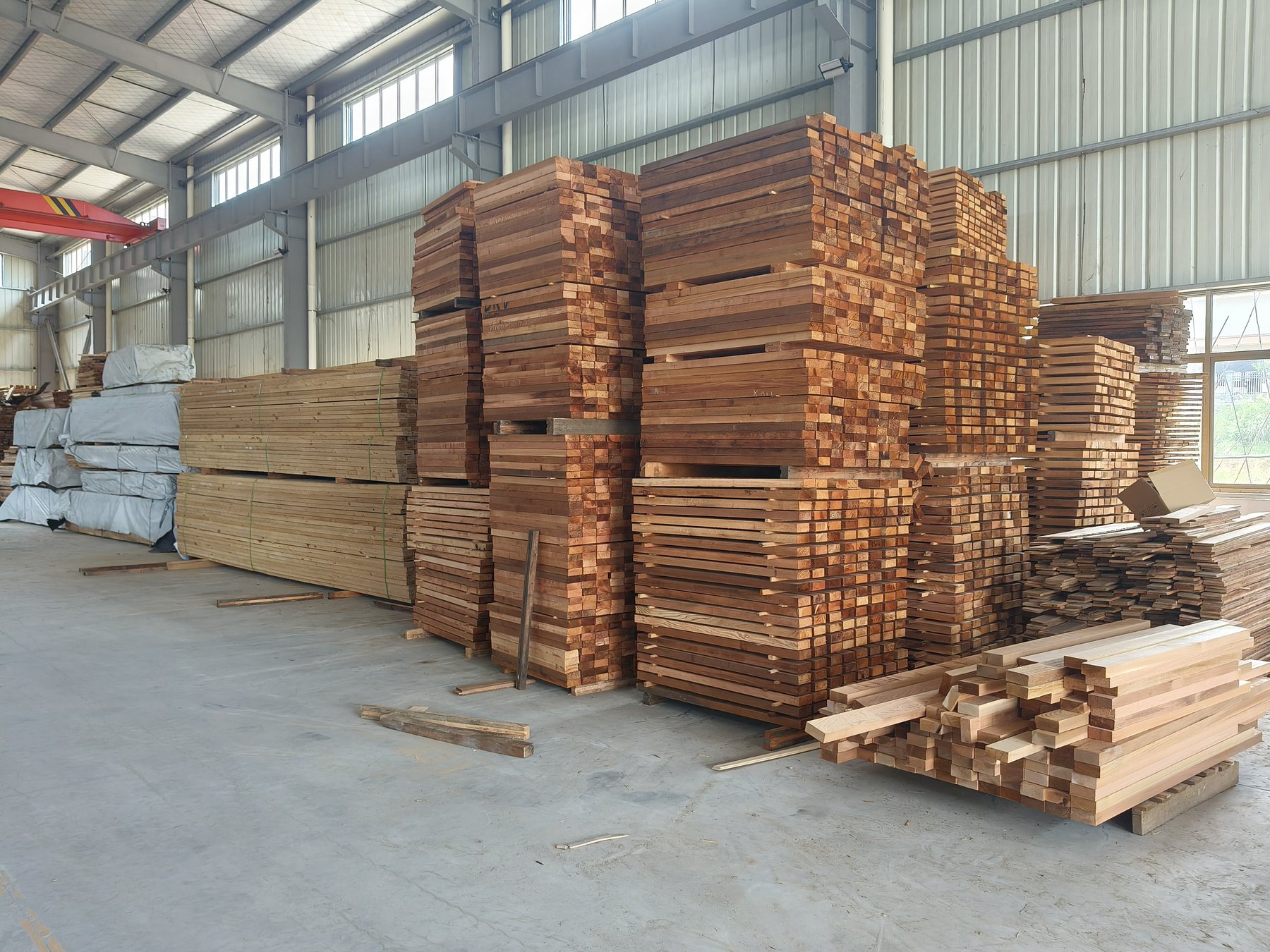
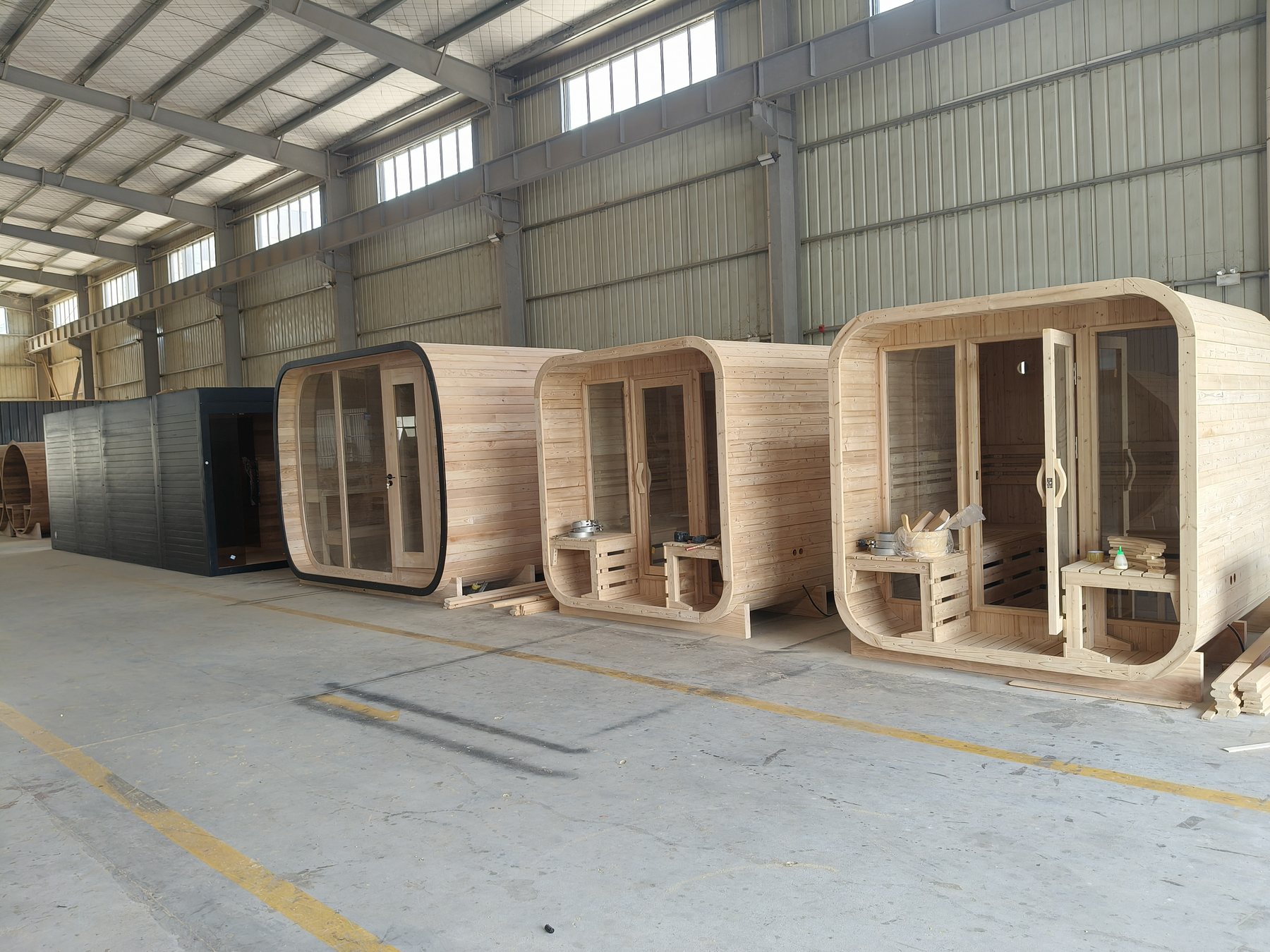
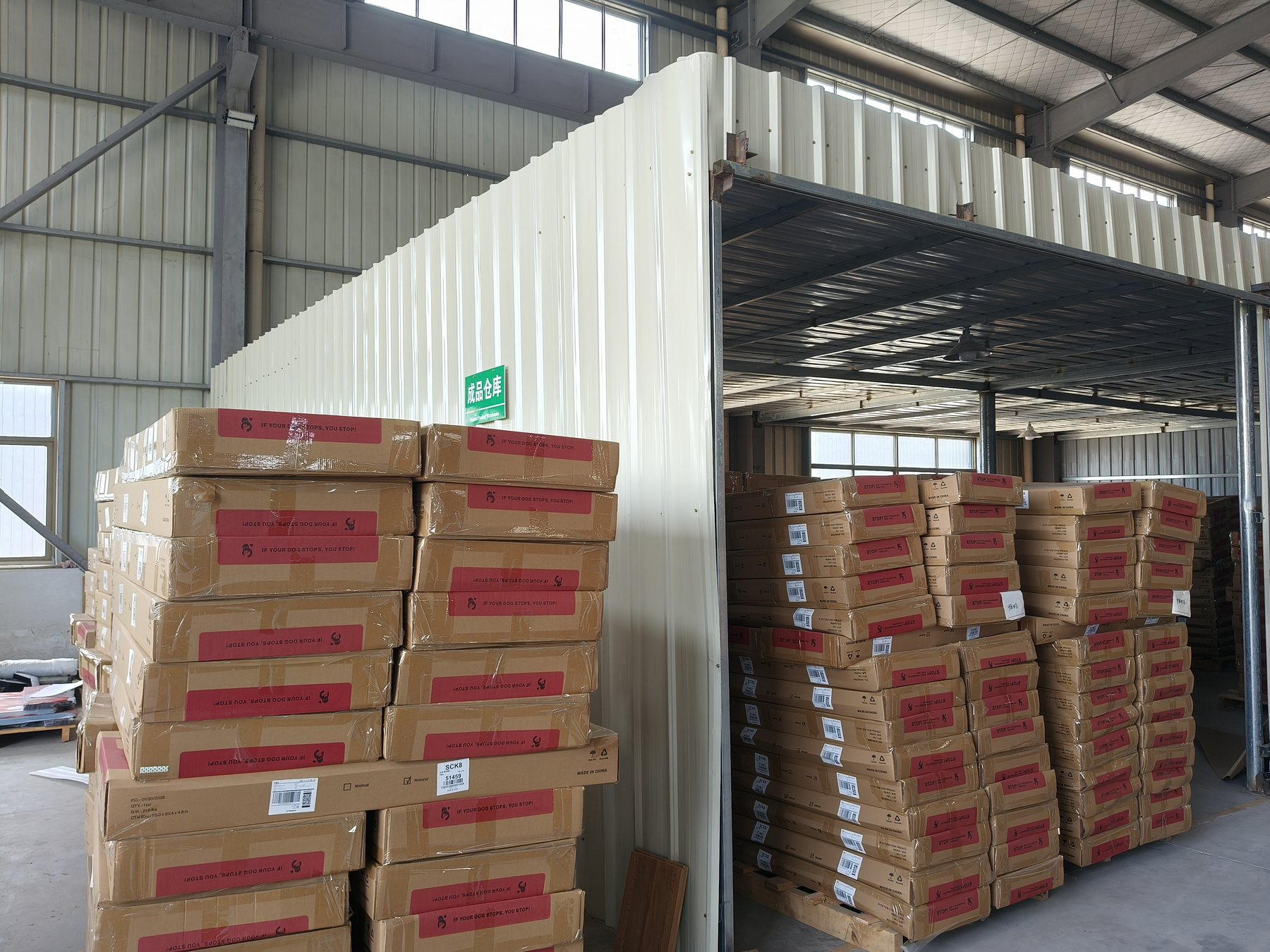
- Launch scope
- Small repeatable model family before wider SKU expansion
- Brand file
- Logo, manual language, labels, nameplate and carton marks
- Service file
- Warranty boundary and photo-based spare-parts identification
- Reorder control
- Buyer SKU plus CSauna model reference and revision history
Start with a private-label model direction
Choose a public model direction before defining logo, carton, manual and service requirements. Branding or packaging is confirmed only for the quoted configuration.
Quotation checkpoint
Prepare a private-label sauna RFQ
Share the target market, first-order quantity, model direction, logo and carton scope, manual language, heater or voltage route, compliance questions, and launch timing. CSauna can then separate confirmed factory scope from items that still need drawing or sample approval.
- Buyer role and destination market
- Sample, starter order, or repeat-program quantity
- Logo, carton mark, manual, accessory, and spare-parts scope
- Wood, heater, voltage, packaging, document, and timing requirements
Build Private-Label RFQ Ask a project question
Submitting the RFQ creates a lead ID used to reconcile the source page, successful form submission, and final inquiry record. A click alone is not counted as an inquiry.
Private-label buyer file
Private-label sauna questions before repeat orders
For private-label programs, the important work is not only choosing a sauna shape. The model, wood, heater, packaging, manual, spare parts, and reorder rules need to stay consistent across samples and future orders.
What should a private-label buyer prepare first?
Prepare the target model range, expected capacity, wood or finish direction, heater market, brand name or logo plan, manual language, packaging style, destination country, and any dealer or showroom requirement. These inputs help us separate a sample request from a repeat-order program.
Can packaging, labels, and manuals be customized?
Yes. Logo, carton label, manual, SKU naming, accessory list, and spare-parts naming can be reviewed after the buyer confirms the model scope and supplies the brand files. Production starts from the approved artwork and order file, not from a rough note.
How do buyers keep repeat orders consistent?
We recommend locking the model code, wood species, heater option, glass direction, bench layout, packaging method, and manual version after the sample is approved. Any later change should be recorded as a model revision so the next order is clear.
Can a private-label program begin with a small sample order?
A sample order can be discussed when the buyer needs to check finish, structure, packing, and showroom fit first. The repeat-order MOQ, pricing, and lead time are then confirmed against the approved model range and customization scope.