The best saunas for hot dry climates are not chosen only by size, heater power, or a nice product photo. For Arizona, Nevada, New Mexico, inland California, desert resort areas, and other dry regions, buyers need to think about sun exposure, low humidity, outdoor heat, wood movement, exterior finish, roof shade, ventilation, packaging, installation, and customer maintenance expectations.
We wrote this guide for North American distributors, retailers, builders, resorts, wellness projects, and private-label sauna buyers who need a practical sourcing checklist when requesting pricing. Use it with the cold-climate outdoor sauna guide, outdoor sauna manufacturer page, North America buyer page, and Buyer file template.
Fast Recommendation
For hot dry climate buyers, start with an outdoor cabin sauna when the customer needs stronger shade planning, a more familiar roof shape, and easier contractor discussion. Use barrel saunas when the you need a compact visual product and can explain placement, shade, band tension, exterior care, and maintenance clearly.
Use a hot-dry climate buyer file or Buyer file template.
What Hot Dry Climate Changes
Hot dry climates change the buying criteria for outdoor saunas. In a desert or Southwest market, the sauna may face intense sun, high daytime temperatures, low humidity, dust, seasonal wind, and strong temperature swings between day and night. These conditions can affect exterior wood appearance, doors, glass, fasteners, roof details, customer maintenance, and the way a showroom explains the product.
For a distributor or importer, this becomes a commercial question. If the product is sold into a dry region without clear installation and maintenance guidance, customers may blame the brand for issues that started with poor placement, direct sun exposure, or unrealistic care expectations. A better buyer file tells the factory the destination climate before the model is chosen.
For resorts, spas, and builders, the decision should also include site planning. Shade, wind exposure, deck or slab choice, electrical coordination, service access, and guest traffic matter as much as the product specification.
Cabin Sauna vs Barrel Sauna for Arizona and Nevada
Cabin-style outdoor saunas are often easier for hot dry climate projects because the roof and wall structure can be explained like a small outdoor room. They can be positioned with shade structures, patios, resort decks, and builder-led installations more naturally. This is useful for Arizona, Nevada, and Southwest projects where the you need a clean specification and a product story that does not depend only on lifestyle images.
Barrel saunas can still work well when the buyer understands placement and maintenance. Their rounded shape is attractive in retail and social media, but buyers should review stave fit, stainless bands, end wall fit, roof exposure, direct sun, door alignment, and whether customers understand that outdoor wood needs care. A barrel sauna in full sun with no maintenance story can become an after-sales problem even when the product was built correctly.
| Question | Cabin sauna | Barrel sauna |
|---|---|---|
| Best use case | Resorts, builders, premium backyards, outdoor wellness rooms, and commercial planning. | Retail display, compact backyard packages, lifestyle photography, and clear entry offers. |
| Hot sun discussion | Easier to plan shade, roof details, and wall exposure. | Needs stronger placement and exterior-care guidance. |
| Dealer explanation | Familiar structure for contractors and homeowners. | Distinctive shape, but band tension and wood movement must be explained. |
| Private-label fit | Good for a hero premium model with controlled specification. | Good for visual range building when maintenance copy is clear. |
Buyers comparing formats should also read barrel sauna vs cabin sauna and barrel sauna vs traditional sauna.
Wood Choice and Dry Climate Stability
Dry climates make wood behavior part of the product story. Cedar, hemlock, spruce, and thermally modified wood can all be used in different sauna lines, but each option should be matched with price position, exterior finish, customer maintenance, and the buyer’s target market. A low FOB price is not enough if the wood grade, moisture control, sanding, fit, and after-care instructions are unclear.
In hot dry regions, customers may notice checking, color change, door movement, or surface dryness more quickly if the sauna is placed in direct sun and rarely maintained. Buyers should ask about moisture preparation, wall profile, finish options, roof protection, packaging protection, and what care instructions dealers should give customers.
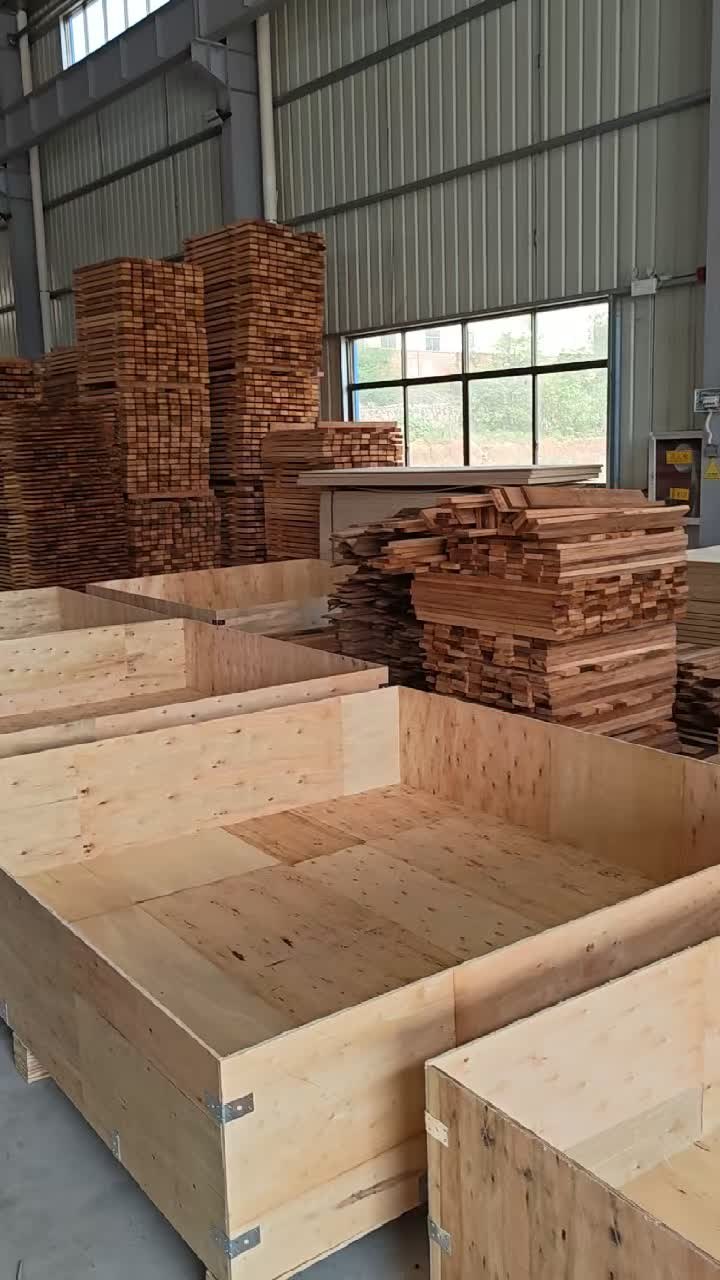
Useful references include cedar vs hemlock vs spruce sauna wood, cedar vs hemlock sauna wood guide, and sauna wood moisture content guide.
Roof, Shade, Ventilation, and Glass
Hot dry climate buyers should talk about shade and roof exposure before the order is placed. The sauna may sit beside a pool, on a resort deck, in a desert backyard, or near a rental property. Direct sun can increase exterior surface temperature, affect finish expectations, and make maintenance more important. Buyers should ask whether the model needs a roof kit, shade structure, waterproof layer, exterior coating, or installation note.
Ventilation and glass also matter. Large glass looks premium, but it changes heat behavior, privacy, warm-up expectations, and customer perception. Door fit, hardware quality, glass protection, and controller placement should be discussed with the factory and local installer. Hot outdoor air does not mean heater planning becomes unimportant; the sauna still needs a stable and safe heating experience.
Heater and Electrical Planning
Some buyers assume a hot climate makes heater selection easier. That can be misleading. Heater sizing still depends on room volume, glass area, wood surfaces, ventilation, desired warm-up time, voltage, electrical rules, and whether the sauna is residential or commercial. For Arizona, Nevada, and Southwest projects, buyers should also think about controller placement, sun exposure near electrical components, and local installer responsibility.
Before production, ask the factory to confirm room volume, suggested kW, voltage, heater brand, controller assumptions, and installation notes. Then review the final setup with a qualified local electrician or installer in the destination market. See the sauna heater sizing guide and wood vs electric sauna heater guide for related planning.
Foundation, Delivery, and Packaging
Dry regions still need careful foundation planning. A sauna may sit on concrete, pavers, gravel, deck framing, a resort platform, or another prepared base. The buyer should plan drainage, leveling, wind exposure, service access, and delivery path before the shipment arrives. Dust, heat, and site storage can also affect how the product is received and unpacked.
Export packaging should protect wood panels, glass, hardware, heater parts, roof materials, labels, manuals, and spare parts. If the buyer is importing container quantities, ask how models are separated, how carton labels work, and whether the packaging can handle warehouse and local delivery before the final customer installation.
Related CSauna references include outdoor sauna installation guide, outdoor sauna foundation options, sauna packaging and container loading, and sauna container shipping guide.
Risks to Control Before Importing
| Risk | Why it matters | buyer file control |
|---|---|---|
| Direct sun exposure | Can accelerate exterior appearance changes and customer maintenance complaints. | Ask for roof, shade, finish, placement, and maintenance guidance. |
| Wood movement | Dry air and heat can make gaps, checking, or door fit more noticeable. | Review wood species, moisture preparation, profile, finish, and after-care notes. |
| Glass and door fit | Large glass and outdoor exposure can affect warm-up and customer perception. | Confirm glass area, door fit, hardware, seals, and heater sizing. |
| Weak customer education | Retail customers may not know how to place and maintain an outdoor sauna in dry regions. | Prepare manual copy, dealer talking points, and warranty expectations before launch. |
| Packaging damage | Long freight, warehouse handling, and local delivery can damage panels or glass. | Ask for packing list, loading photos, package dimensions, labels, and spare parts. |
Material and care worksheet
Confirm desert-climate material and maintenance risks before choosing the model
For Arizona, Nevada, and similar dry regions, our design department reviews the model together with wood movement, finish care, roof exposure, glass area, and service records. This check should happen before a buyer locks the model code, because the same sauna photo can perform very differently when it is placed in full sun, near dust, or on a poorly ventilated deck.
| Risk area | What changes in hot dry climates | Buyer file check | Evidence to collect |
|---|---|---|---|
| Low humidity and wood movement | Boards, doors, benches, and trims can show checking, small gaps, or movement sooner when the room sits in dry air and strong daytime heat. | Record wood species, grade, wall profile, moisture preparation, exterior finish, and whether the customer accepts natural surface change. | Wood closeup, finish option, door/bench detail, moisture or preparation note, and care instruction draft. |
| UV and direct sun | Color change and surface dryness become more visible, especially on dark exterior finishes or models without shade planning. | Mark the expected placement, sun direction, roof coverage, shade structure, and exterior coating route before final confirmation. | Site photo, shade sketch, roof detail, exterior finish sample, and customer placement note. |
| Dust, sand, and cleaning | Dust can collect around vents, heater area, door tracks, glass edges, lighting, and exterior joints. | Assign cleaning owner, inspection interval, airflow check, glass cleaning note, and spare part responsibility for the first season. | Vent detail, door hardware photo, cleaning checklist, service log template, and recommended spare-parts list. |
| Glass area and heat load | Large glass improves the showroom look, but it can change warm-up expectation, privacy, glare, and heater sizing discussion. | Confirm glass direction, room volume, heater kW, voltage, controller position, installer note, and user privacy expectation. | Front elevation, glass size, heater/control file, local electrical note, and marked screenshot from the buyer. |
| Roof, base, and airflow | A sauna may sit on a deck, slab, gravel base, pool area, or resort walkway where heat, drainage, and service access differ. | Confirm foundation, ground clearance, roof protection, drainage path, air inlet/outlet, and maintenance access before packing. | Base photo, drainage note, roof material, assembly drawing, and access-route photo. |
| First-season support | Dealers need clearer care copy so small natural wood changes are not confused with production defects. | Prepare care wording, warranty boundary, spare-parts list, inspection photos, and customer handover notes before the first shipment. | Dealer handover sheet, warranty note, maintenance log, packing photo set, and after-sales reply template. |
| Buyer type | Safer model direction | What to confirm before order |
|---|---|---|
| Backyard dealer | A model that can be explained with simple placement, shade, care, heater, and spare-part notes. | Customer maintenance wording, first-season spare parts, outdoor finish route, and whether the model photo matches the real delivered option. |
| Resort or hotel | Cabin or cube layouts with controlled service access, clear drawing handoff, and a documented cleaning route. | Opening hours, site exposure, guest traffic, cleaning owner, heater access, floor/base, and replacement-part timing. |
| Builder or developer | A structure that is easy to coordinate with electrical, foundation, shade, drainage, and exterior finish decisions. | Drawing revision path, glass direction, local voltage, roof/base notes, installation access, and inspection handoff. |
| Distributor or private label | Fewer body styles with stronger documentation, photos, manuals, labels, and repeatable maintenance language. | Model family naming, carton marks, manual wording, care guide, warranty boundary, spare-parts SKU list, and photo set for sales teams. |
Design department note: compare the site exposure and maintenance file before comparing model codes. A hot-dry climate project is easier to support when wood, finish, glass, roof, voltage, packing, and care instructions are confirmed in the same buyer file.
Hot Dry Climate Buyer Questions
A climate-specific buyer file helps the supplier recommend the right model instead of guessing. Buyers should include destination region, sun exposure, buyer role, expected installation location, preferred sauna format, wood preference, target quantity, heater voltage, glass preference, packaging needs, and whether the order is for sample, container, project, or private-label launch.
- Which models do you recommend for Arizona, Nevada, or other hot dry climate markets?
- What wood species, wall profile, exterior finish, and roof details are included?
- How should customers place the sauna to manage sun, wind, and exterior care?
- What heater kW, voltage, controller, and installation notes match the quoted model?
- What maintenance copy should dealers give customers in dry regions?
- How are glass, heater, hardware, panels, roof parts, and manuals protected in export packaging?
- Which spare parts should a distributor keep for the first season?
- Can the factory provide production, QC, and packing evidence before shipment?
Best Fit by buyer role
| buyer role | Best starting point | Reason |
|---|---|---|
| Southwest distributor | Outdoor cabin sauna plus one clear barrel sauna offer | Balances practical shade planning with a visual showroom product. |
| Retailer or showroom | Model mix with maintenance talking points and spare parts | Helps sales teams answer dry climate concerns before purchase. |
| Resort or wellness project | Cabin sauna with project-specific installation review | Better control over shade, traffic, service access, and guest experience. |
| Private-label brand | One hero outdoor model with manual, warranty, and care copy | Reduces after-sales confusion and supports consistent brand positioning. |
How we support Hot Dry Climate Buyers
We support B2B buyers that need factory-direct sauna sourcing for North America and other hot dry climate markets. The process should start with the buyer’s target region, customer type, model preference, quantity, wood target, heater requirement, packaging expectation, and maintenance story. Use the checklist to review product fit, commercial terms, production evidence, QC checkpoints, spare parts, and export packaging.
For the next step, review sauna manufacturer support for North American buyers, outdoor sauna manufacturer, wholesale sauna quote terms, and the factory buyer file notes.
Hot-Dry Climate Sauna Buyer Checklist Shortcut
Send CSauna your destination region, buyer role, target quantity, preferred sauna type, sun exposure, wood preference, heater voltage, packaging requirements, project timeline, and whether you need private-label support.
Pricing review fields | Buyer file template
FAQ
What sauna is best for hot dry climates?
For hot dry climates, buyers should prioritize outdoor weather exposure, UV and heat impact, wood stability, ventilation, roof shade, door and glass fit, packaging protection, and realistic maintenance guidance. Cabin saunas often give more control, while barrel saunas can work when placement and maintenance are explained clearly.
Are saunas suitable for Arizona and Nevada backyards?
Saunas can be suitable for Arizona, Nevada, and other dry regions when the buyer plans shade, foundation, ventilation, exterior finish, heater placement, electrical work, and maintenance expectations. The buyer file should mention the destination climate before the model is chosen.
Which wood should buyers consider for dry climate saunas?
Cedar, hemlock, spruce, and thermally modified wood can all be considered, but buyers should compare wood grade, moisture control, exterior treatment, stability, aroma preference, price position, and after-care instructions before ordering.
Do hot climates change sauna heater sizing?
Hot dry climates do not remove the need for correct heater sizing. Buyers should still check room volume, glass area, insulation, ventilation, voltage, controller placement, installation rules, and warm-up expectations with the factory and local installer.
What should distributors ask before sourcing saunas for desert regions?
Distributors should ask about UV exposure, exterior finish, wood movement, roof shade, ventilation, packaging, spare parts, installation notes, maintenance copy, warranty expectations, and whether the model fits the target customer and climate.
Can CSauna support hot dry climate sauna sourcing?
We can support B2B sauna buyers with model review, wood and structure discussion, buyer file preparation, production evidence, QC, export packaging, spare-parts planning, and factory-direct quote support for North American and hot dry climate markets.
Model and material worksheet
Best Sauna for Hot Dry Climates Worksheet
This appendix turns the article into a practical B2B resource. Use it to collect buyer input, attach photos or screenshots, compare supplier replies, and keep an editable worksheet record for the project file.
Buyer input
Collect the exact model, site, document, photo, screenshot, and decision context before sharing the resource with another team.
Supplier or internal reply
Ask for a reply that states what is confirmed, what is missing, and what still needs local or buyer-side review.
Closeout record
Keep the worksheet with the buyer file so the same decision can be reused for future orders, service, training, or project handover.
Buyer working table
Use this table before sending the article to a buyer, dealer, project team, or supplier contact.
| Field | Buyer should record | Supplier or internal owner should confirm | Evidence to attach |
|---|---|---|---|
| Model fit | Record product URL, model family, size, user count, site type, and buyer visual preference. | Confirm closest model route and what must be customized. | Product image, site photo, and model shortlist. |
| Material and climate | Record wood species, finish, heater, glass, weather exposure, maintenance level, and local climate. | Confirm material suitability and care notes. | Wood/finish photo, climate note, and maintenance file. |
| Buyer decision | Record must-have features, acceptable alternatives, budget range, lead time, and service expectation. | Confirm whether the model is ready for selection or needs more evidence. | Comparison table and buyer notes. |
Photo, screenshot, and file evidence
Evidence should be named clearly so the same file can support supplier review, buyer education, service follow-up, or project handover.
| Evidence item | What it should show | When to collect it | File name example |
|---|---|---|---|
| Model reference image | The exact visual style, glass amount, door direction, roof, or layout preference. | Before asking for supplier recommendation. | model-reference-01.jpg |
| Site photo | Base/floor, surrounding area, access route, weather exposure, and available dimensions. | Before confirming model fit. | site-photo-02.jpg |
| Material photo | Wood, finish, heater, glass, bench, roof, or panel detail. | When comparing options or explaining maintenance. | material-detail-03.jpg |
| Marked screenshot | Buyer markup showing size, door, heater, glass, or finish change. | Before production or drawing review. | buyer-markup-04.png |
Reply and closeout table
The reply should help the buyer make a decision, not only repeat that the request has been received.
| Reply area | What the reply should include | Buyer follow-up |
|---|---|---|
| Model reply | Confirm recommended model family, size route, capacity, and visual tradeoff. | Compare against buyer use case. |
| Material reply | Confirm wood/finish option, climate care, maintenance note, and expected variation. | Avoid surprise after delivery. |
| Next proof reply | List photos, drawings, labels, or samples needed before final decision. | Move from preference to verified selection. |
Editable worksheet available
CSauna can share an editable worksheet version for this resource. Send a message with the article name, buyer type, target model or project context, and the fields your team wants to track.
Open the CSauna product catalog Factory profile