1. Introduction: The Heart of the Sauna Experience
In the world of hydrotherapy and wellness, the sauna structure provides the shell, but the sauna heater provides the soul. For professional sauna distributors, high-end landscape architects, and commercial facility managers, selecting a heater is not a decision to be taken lightly. It affects everything from the architectural design and electrical load to the long-term operational costs and user satisfaction.
A mismatched heater can lead to a variety of issues: a room that takes hours to reach temperature, skyrocketing utility bills, or a “dry” heat that fails to provide the therapeutic löyly (steam) that sauna enthusiasts crave. This sauna heater guide is designed to break down the technical specifications and practical realities of the three leading heating technologies, empowering you to make data-driven recommendations for your clients or your business.
2. Core Technologies: Wood-Fired, Electric, and Infrared
Before diving into the specifics, it is essential to understand that not all heaters operate on the same physics. Traditional saunas (wood and electric) rely on convection and conduction. They heat a large volume of volcanic rocks; the rocks then heat the air, and the hot air eventually heats the user’s skin. This process allows for the creation of steam by pouring water over the hot stones.
Infrared saunas, by contrast, use radiant heat. They emit infrared light waves that penetrate the body directly, heating the core without significantly raising the air temperature. This fundamental difference means that an infrared “heater” is technically a set of panels rather than a central stove. Understanding these distinctions is the first step in guiding a customer toward the right sauna product.
3. Wood-Fired Sauna Heater: The Traditionalist’s Dream
The wood fired sauna heater is the oldest and, many would argue, the most authentic way to experience a sauna. It provides a sensory experience that no other technology can replicate: the soft orange glow of the embers, the rhythmic crackling of burning logs, and the subtle aroma of wood smoke in the air.
The Pros of Wood-Fired Technology
- Off-Grid Versatility: Because it requires no electricity, it is the only choice for remote cabin saunas or forest retreats.
- Superior Heat Quality: Many users find the heat from wood fires to be more “natural” and intense, allowing for higher peak temperatures (often exceeding 200°F).
- Reliability: With no circuit boards or heating elements to burn out, a high-quality cast-iron or stainless steel wood stove can last for decades with minimal maintenance.
- Low Operating Cost (in Wood-Rich Areas): If the user has access to seasoned hardwood, the “fuel” for their sauna is essentially free.
The Challenges and Considerations
However, the wood-fired path is not without its hurdles. From an installer’s perspective, these units require a dedicated chimney and flue system, which must meet strict fire safety codes. In many urban environments, “smoke control areas” may prohibit the use of traditional wood stoves entirely. Furthermore, there is a “prep time” involved—someone must be willing to go out, start the fire, and manage the logs for 45 minutes before the sauna is ready.
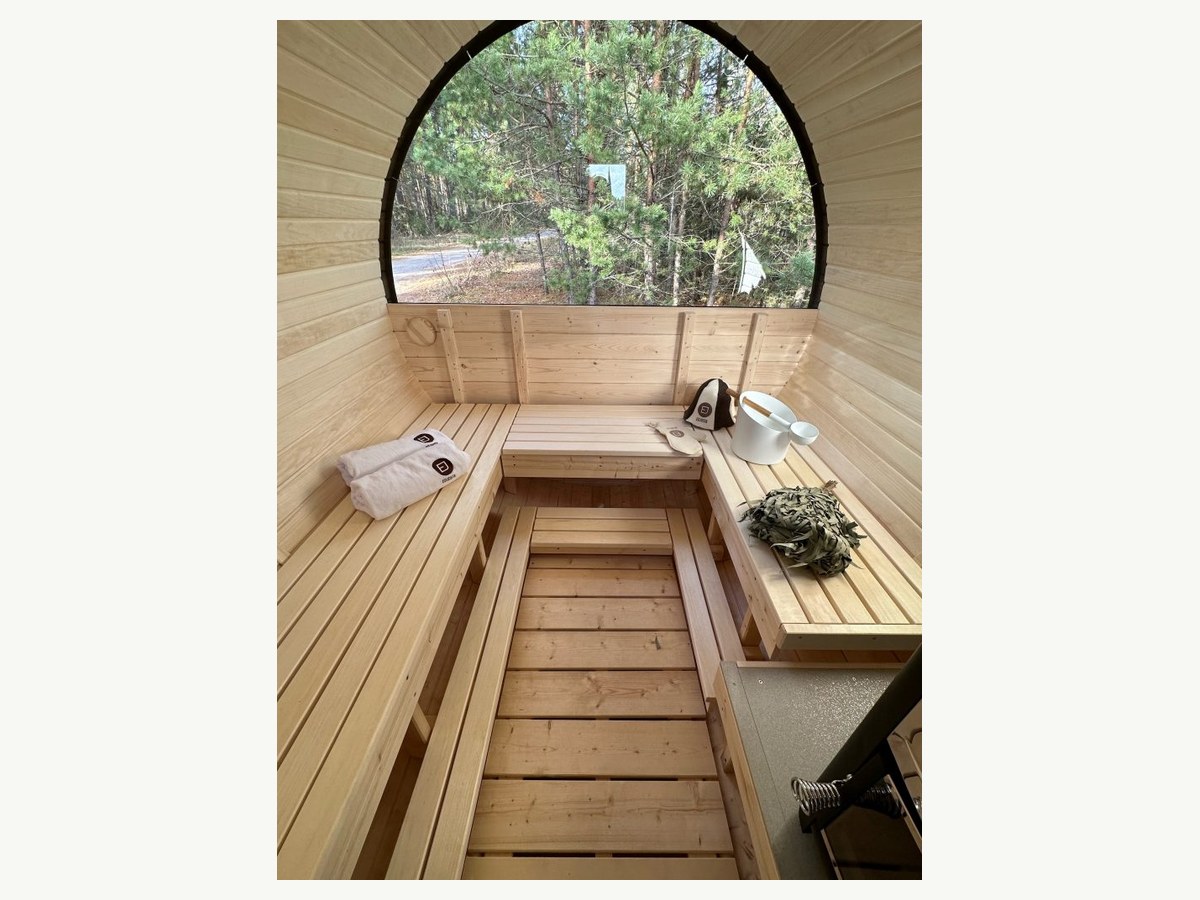
4. Electric Sauna Heater: The Peak of Convenience
For the vast majority of modern residential and commercial installations, the electric sauna heater is the industry standard. It bridges the gap between traditional sauna culture and the fast-paced lifestyle of the 21st century. Manufacturers like CSauna have perfected the efficiency of these units, ensuring they deliver the same high-quality steam as their wood-burning ancestors.
Why Electric is the Bestseller
- Push-Button Control: Modern units can be turned on via a smartphone app or a wall-mounted digital panel. A user can start their sauna while finishing a workout or driving home from the office.
- Precise Temperature Management: Thermostats ensure the room stays at exactly the desired temperature, preventing the “overheating” common with wood fires.
- Clean and Low Maintenance: No ash, no smoke, and no wood storage required. The only maintenance is checking the rocks once a year for degradation.
- Design Flexibility: Electric heaters come in floor-standing or wall-mounted versions, making them ideal for space-saving indoor saunas.
Technical Requirements for Installers
The primary constraint for electric heaters is the power supply. A standard 6-person sauna typically requires a 6kW to 9kW heater, which necessitates a dedicated 240V circuit and a high-amperage breaker (usually 40A or 50A). This often adds $500 to $1,500 to the total project cost for electrical labor and materials.
5. Infrared Technology: The Modern Recovery Solution
Infrared saunas have exploded in popularity within the biohacking and sports recovery communities. Unlike traditional heaters, they don’t use stones. Instead, they use carbon or ceramic panels to emit far-infrared or full-spectrum rays.
Infrared vs. Traditional: The Core Benefit
Infrared is the “entry-level” health solution. It is perfect for users who want the detox benefits of sweating but find the 190°F heat of a traditional sauna to be oppressive or hard on their lungs. Because it operates at 120-150°F, sessions can last longer (30-45 minutes), potentially leading to deeper muscle penetration.
For distributors, infrared units are attractive because they are often “plug-and-play.” Smaller 1-person or 2-person units can run on a standard 120V household outlet, eliminating the need for expensive electrical work. However, B2B buyers should be warned: infrared is not a “true” Finnish sauna experience. You cannot use water, and there is no humidity control.
6. Head-to-Head Comparison Table
This table provides a high-level technical overview to help your sales team compare models during client consultations.
| Feature | Wood-Fired | Electric (Traditional) | Infrared |
|---|---|---|---|
| Heat Type | Convection (Hot Rocks) | Convection (Hot Rocks) | Radiant (Light Waves) |
| Steam Ability | Excellent (Löyly) | Excellent (Löyly) | None (Dry Only) |
| Max Temp | 200°F – 230°F | 190°F – 210°F | 120°F – 150°F |
| Heat-up Time | 45 – 60 Minutes | 30 – 45 Minutes | 10 – 15 Minutes |
| Installation | Chimney Required | 240V Dedicated Circuit | 120V/240V Standard/Dedicated |
| Ambiance | High (Fire, Aroma) | Medium (Functional) | Low (Functional/LEDs) |
| Operating Cost | Low (Free wood) | $0.50 – $2.00 / session | $0.10 – $0.30 / session |
| Lifespan | 20 – 40 Years | 10 – 20 Years | 10 – 15 Years |
7. Sizing Your Heater: The kW Calculator Guide
One of the most common mistakes in the sauna industry is undersizing the heater. A weak heater will work harder, consume more energy, and burn out its elements faster. At CSauna, we recommend the following professional calculation for traditional heaters (Wood or Electric):
The Golden Rule of Sauna Sizing
For a standard, well-insulated cedar or hemlock sauna, use the following ratio:
1 kW of Power per 1 m³ of Volume
Adjustment Factors (The “Hidden” Volume):
- Glass Doors/Windows: Add 1.2 m³ of “theoretical volume” for every 1 m² of glass surface.
- Uninsulated Stone Walls: Add 1.5 m³ for every 1 m² of stone or brick.
- Extreme Cold Climate: If the sauna is located in a region where winter temperatures drop below -10°C, increase total kW by 25%.
Example: A barrel sauna that is 2m long and 2m in diameter has a volume of approximately 6.28 m³. With a glass door (approx 1 m²), the “effective volume” is 7.48 m³. Therefore, an 8kW heater is required. Using a 6kW heater in this scenario would result in sluggish performance during winter months.
8. Safety, Certification, and Compliance
In the B2B world, liability is paramount. Selling or installing a non-certified heater is a massive risk. All CSauna heaters undergo rigorous testing to ensure they meet international standards.
- CE Certification: Mandatory for the European market, ensuring health, safety, and environmental protection standards.
- UL/ETL Listing: Essential for North American distributors. These marks prove the electrical components have been tested for fire safety.
- Clearances to Combustibles: Installers must follow the “Safety Distance” guidelines provided in the manual. For example, a wood stove usually requires 500mm of clearance from wooden walls unless a heat shield is installed.
- Guard Rails: Every heater (especially electric) must have a wooden guard rail to prevent users from accidentally touching the scorching stones or heating housing.
9. Which Heater for Which Sauna Design?
Based on our years of manufacturing data, here are the winning combinations for various sauna types:
Outdoor Barrel Saunas
Best Fit: Wood-Fired or High-kW Electric. Because barrels are outdoor units with no insulation, they need “aggressive” heat. A wood stove is the classic choice, but an 8-9kW electric heater with a WiFi controller is our top-selling combo for suburban homes.
Indoor Sauna Suites
Best Fit: Slimline Electric or Infrared. In an indoor environment, venting a chimney is often impossible. A wall-mounted electric heater saves floor space, while an infrared setup is perfect for apartment living where electrical upgrades are difficult.
Commercial Wellness Centers
Best Fit: Heavy-Duty Electric. For saunas running 8-12 hours a day, you need a heater with thicker heating elements and a large stone capacity (100kg+). This ensures consistent steam even with frequent “löyly” applications from guests.
10. B2B Strategy: Selling the Right Heater Type
For distributors, your goal is to minimize returns and maximize customer satisfaction. Here is how to guide your clients:
- The “Luxury Seeker”: Sell the wood-fired experience. Emphasize the connection to nature and the lack of EMF (electromagnetic fields).
- The “Busy Professional”: Sell the 9kW Electric with mobile app control. Highlight the “zero-effort” wellness routine.
- The “Biohacker”: Sell Full-Spectrum Infrared. Focus on the detoxification, skin health, and cellular repair benefits.
- The “Resort Owner”: Sell the Heavy-Duty Electric. Focus on durability, ease of maintenance for staff, and the safety of digital temperature locks.
11. Frequently Asked Questions
What is the best wood for a wood-fired sauna heater?
Hardwoods like Oak, Maple, or Birch are superior because they burn hotter and longer. Avoid softwoods like Pine or Fir if possible, as their high resin content can lead to more creosote buildup in the chimney, requiring more frequent cleaning.
How often should I replace the sauna stones?
For residential use, every 1-2 years. For commercial use, every 3-6 months. Over time, the heat causes the stones to crack and crumble. These small pieces block airflow, reducing heater efficiency and potentially damaging the heating elements.
Can I convert a wood sauna to electric later?
Yes, but it requires planning. You will need to bring a high-voltage electrical line to the sauna location and patch the chimney hole in the roof. It is much easier to choose the right technology during the initial product selection phase.
Is infrared “healthier” than traditional steam saunas?
Neither is objectively “better”; they offer different benefits. Traditional saunas provide the cardiovascular benefit of high heat and the respiratory benefit of humidity. Infrared provides a more targeted, deep-tissue heating effect at lower temperatures. Many of our clients now install “Hybrid” saunas that feature both.
What is the typical warranty on a sauna heater?
At CSauna, we provide a 2-year warranty on all heating elements and a 5-year warranty on the heater body. We also maintain a full stock of replacement parts in our global warehouses to ensure minimal downtime for our B2B partners.
Ready to Upgrade Your Sauna Project?
Whether you need a bulk order of wood-fired stoves or the latest smart-electric heaters, CSauna is your manufacturing partner for quality and reliability. Contact our engineering team for a personalized quote today.