Sauna OEM manufacturer programs buyers can repeat
A sauna OEM program is stronger when the model file, material file, brand file, packing file, and after-sale file are prepared together. CSauna supports OEM and private-label buyers who need repeatable sauna models instead of one-off quotations.
OEM program scope
| File | Buyer input | Factory output |
|---|---|---|
| Model file | Model codes, reference photos, capacity, target sizes, product family. | Shortlist, option notes, and drawing basis. |
| Material file | Wood species, exterior finish, roof, glass, bench, heater route. | Confirmed material direction and production notes. |
| Brand file | Logo, manual language, carton mark, SKU naming, barcode or label rules. | Private-label artwork and packaging checklist. |
| Service file | Warranty boundary, spare parts, replacement glass, controller and heater identification. | After-sale handoff list for dealers or distributors. |
OEM decisions to lock early
- Whether the first launch is a sample, small dealer start, or mixed container.
- Which product families are core: barrel, cabin, cube, indoor, commercial, mobile.
- Which wood and heater route will be shared across the SKU line.
- Which items are branded: nameplate, manual, carton, labels, spare-parts sheet.
Private-label risk table
| Risk | Cause | Prevention |
|---|---|---|
| Inconsistent model naming | Sales, website, and factory file use different codes. | Use one SKU code and one CSauna model reference per item. |
| Late packaging changes | Logo and label are discussed after production. | Prepare brand file before order lock. |
| After-sale confusion | Spare parts are not named. | Build a parts identification list with photos. |
| Quote drift | Material or heater changes after first price. | Keep revision history in the buyer file. |
Repeat-order file
For repeat orders, the most useful file is not a long email chain. It is a concise order workbook showing model, size, wood, heater, voltage, glass, packing, labels, manuals, parts, and any revisions from the last order.
Good first message for OEM
- Brand or project type and target market.
- Preferred model family and 3-8 reference product links.
- Wood, finish, heater, voltage, glass, and packing expectations.
- Logo/manual/carton needs and launch quantity.
Final buyer file before production
The final buyer file should be short enough for a purchasing team to read, but complete enough for production and shipment. Keep one row for each selected model with product link, model code, target size, wood and finish, heater and voltage route, glass and door direction, roof or exterior protection, packing method, manual or label needs, spare-parts names, inspection photo points, and the person responsible for final approval. This is the file that prevents a good quotation from becoming a confusing order.
How to use this internally
For the buyer side, this page can be copied into a simple internal checklist before the supplier call. Mark which fields are confirmed, which fields still need evidence, and which items must be checked again before deposit, production lock, balance payment, and shipment handoff.
This also gives the buyer a cleaner base for future SKU expansion.
OEM file from parts to packing
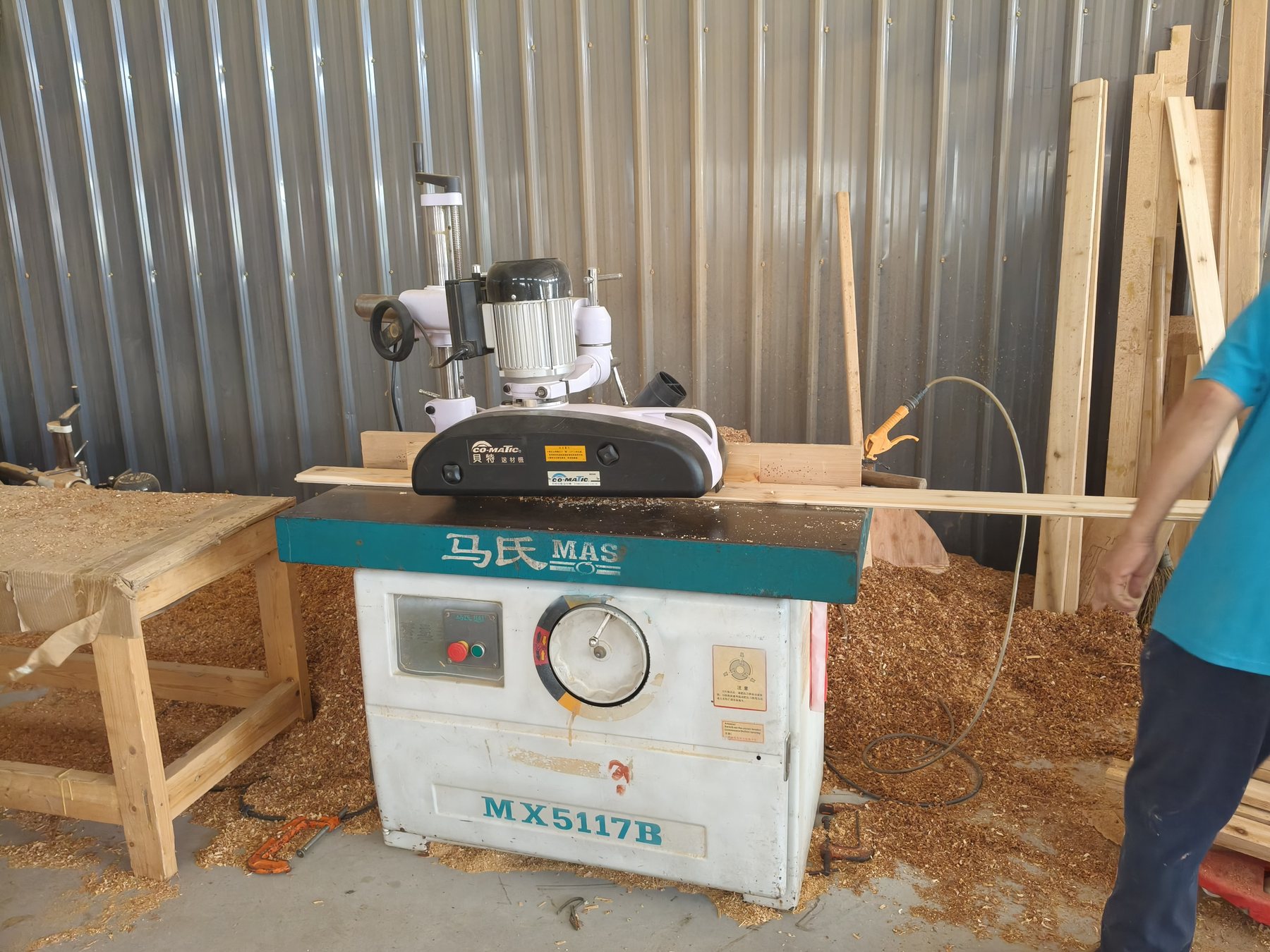
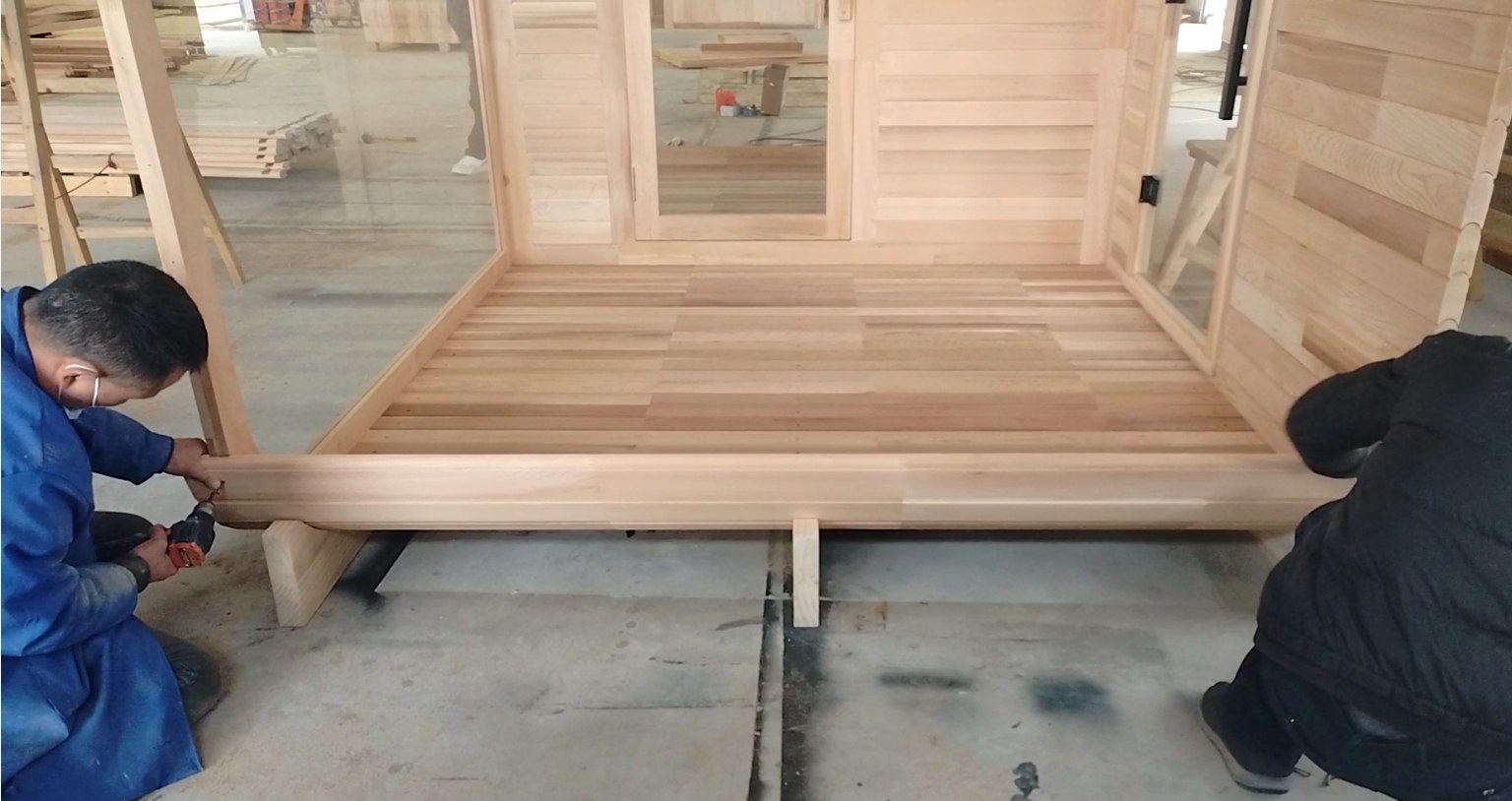
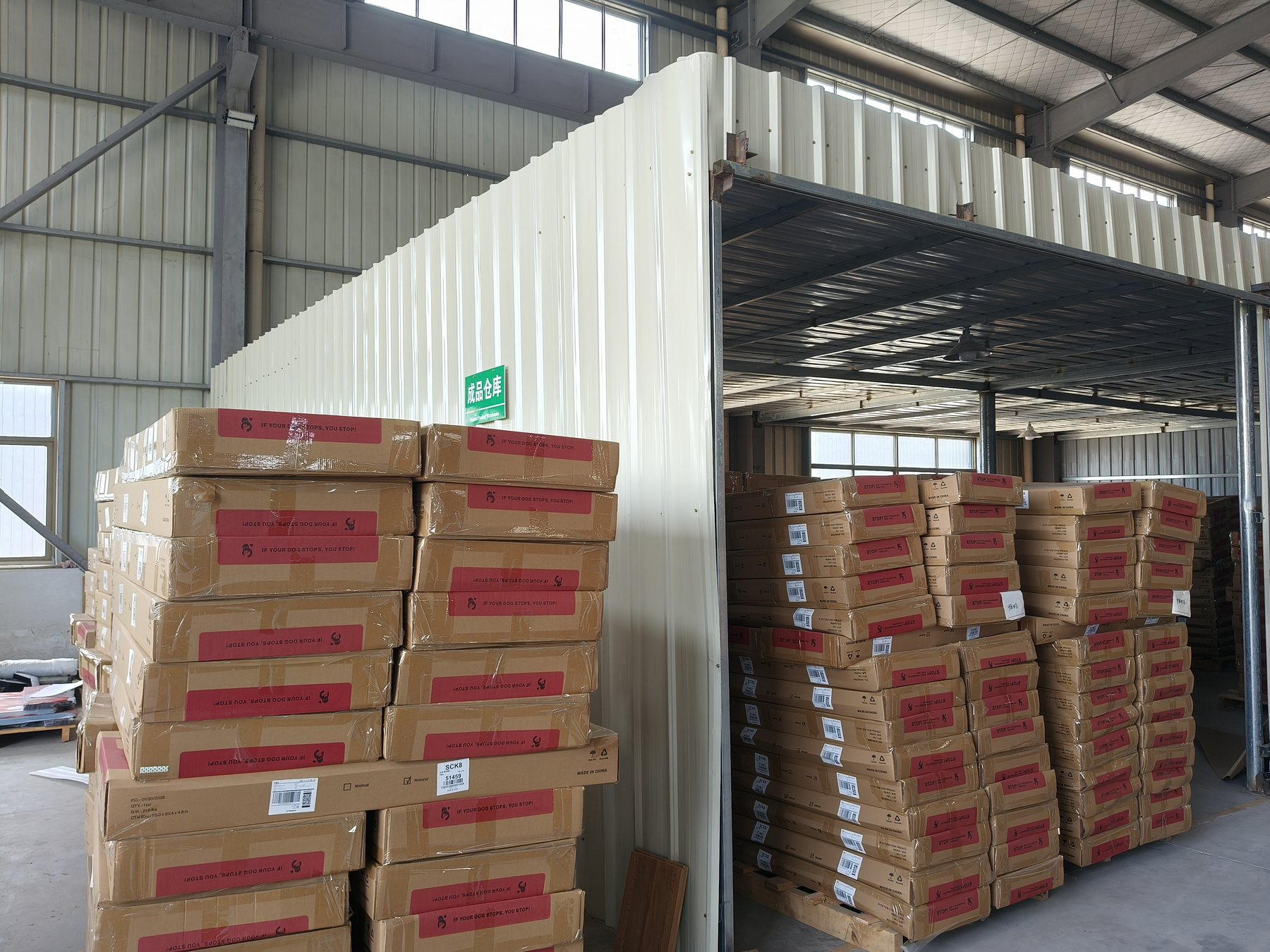
OEM work is controlled through the model reference, selected options and buyer brand file. The workshop record stays connected to labels, manuals, spare parts and final packing notes.
- Sample MOQ
- 1 set for selected models
- OEM scope
- Logo, nameplate, manual, labels, carton marks and SKU file
- Electrical
- Voltage and heater package confirmed for the destination market
- Repeat orders
- Revision-controlled model and packing baseline