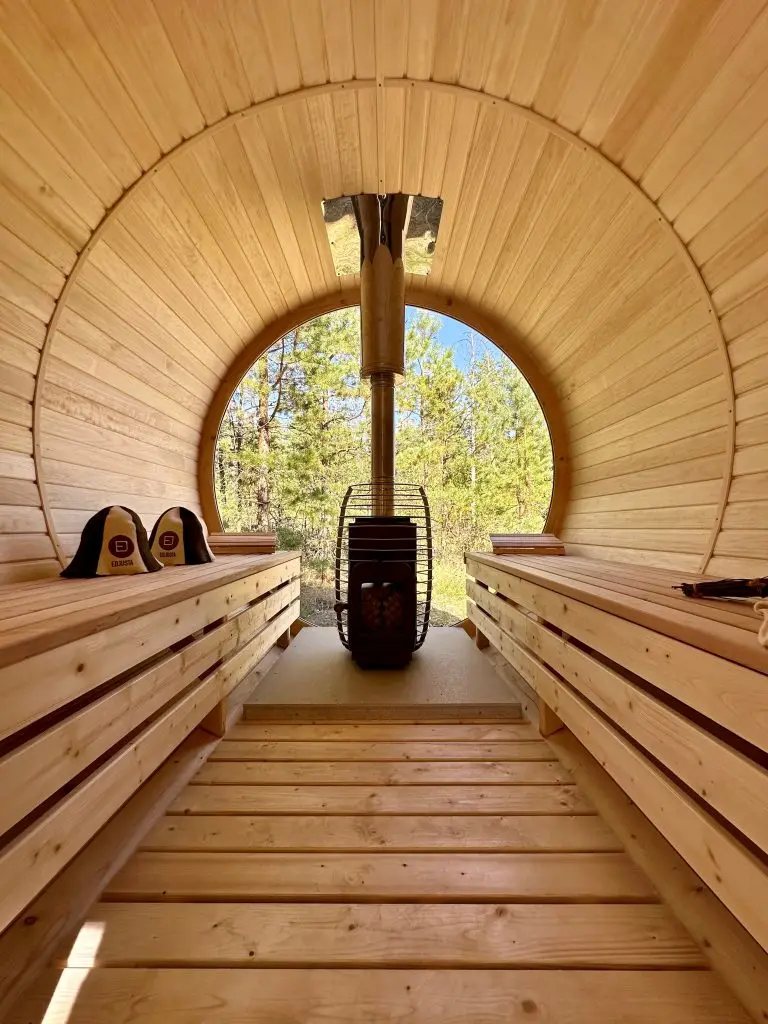
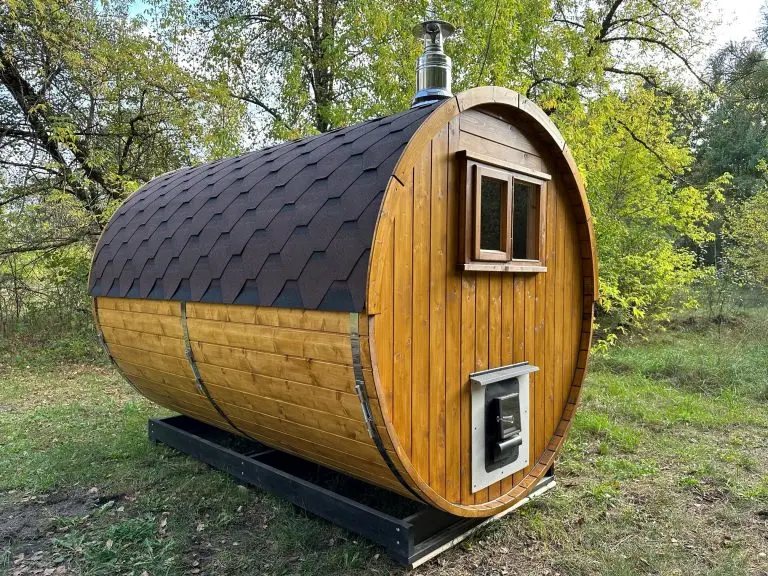
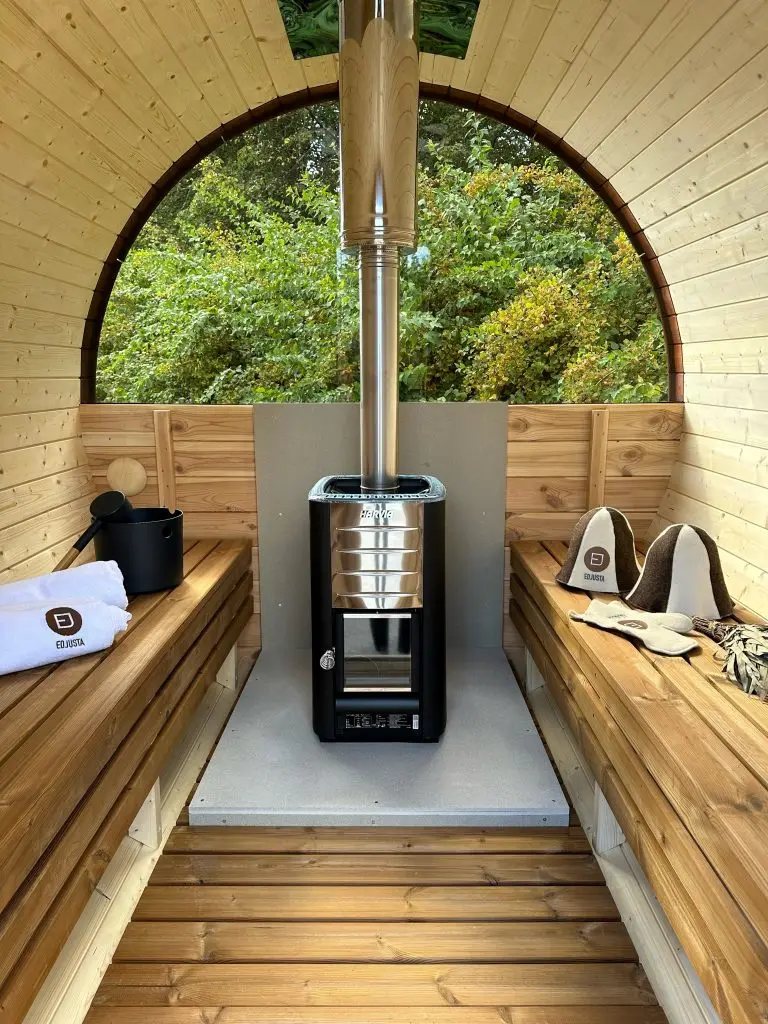
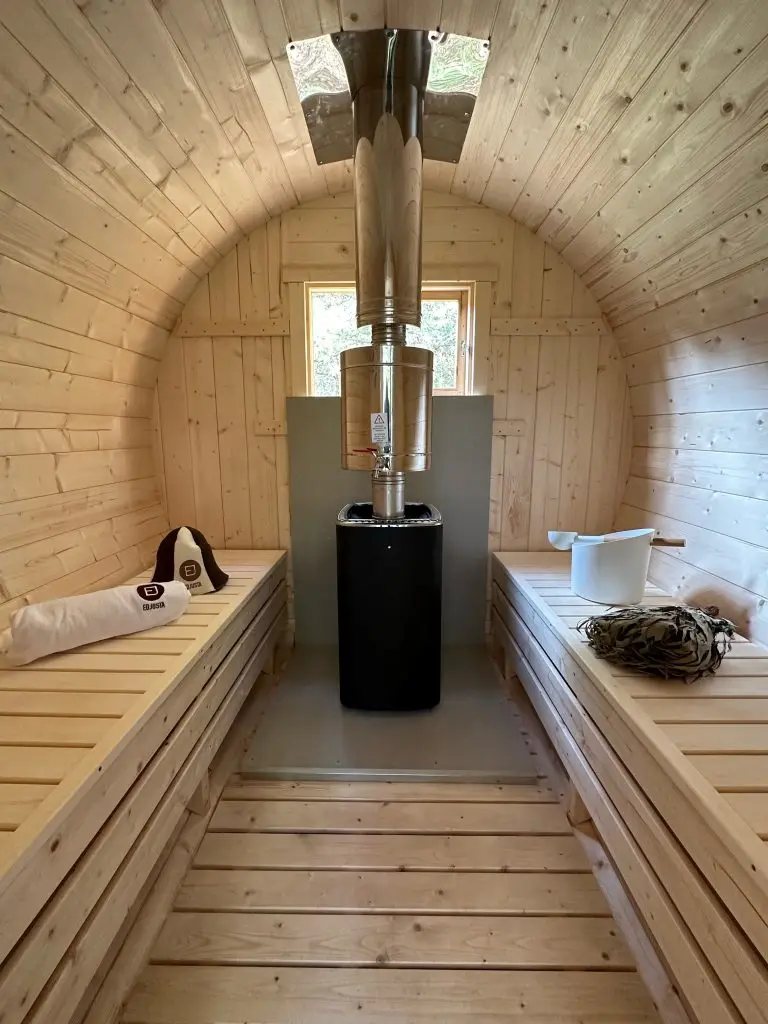
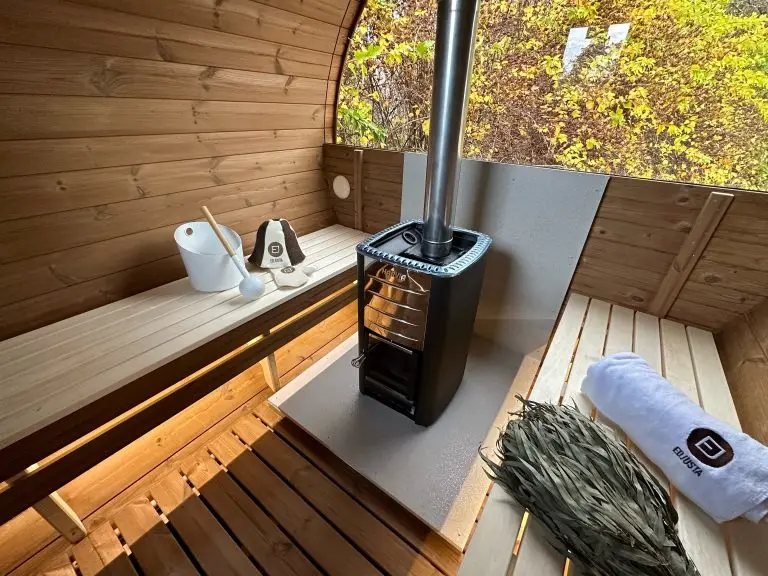
Specifications and options for CSA-35
Use CSA-35 as the visual reference, then confirm capacity, size, heater voltage, wood finish, glass direction, MOQ, packing, and document needs before quotation.
| Model | CSA-35 |
|---|---|
| Type | Barrel sauna |
| Use setting | Outdoor |
| Capacity | 4-6 person |
| Wood / finish | Solid wood construction; species and finish confirmed from project requirements |
| Heater | Wood stove route; flue and clearance confirmed by market |
| Glass | Door and glass layout matched to model |
Use CSA-35 as the visual model reference. Final size, bench layout, heater, glass, voltage, packing, and document route are locked after the approved drawing.
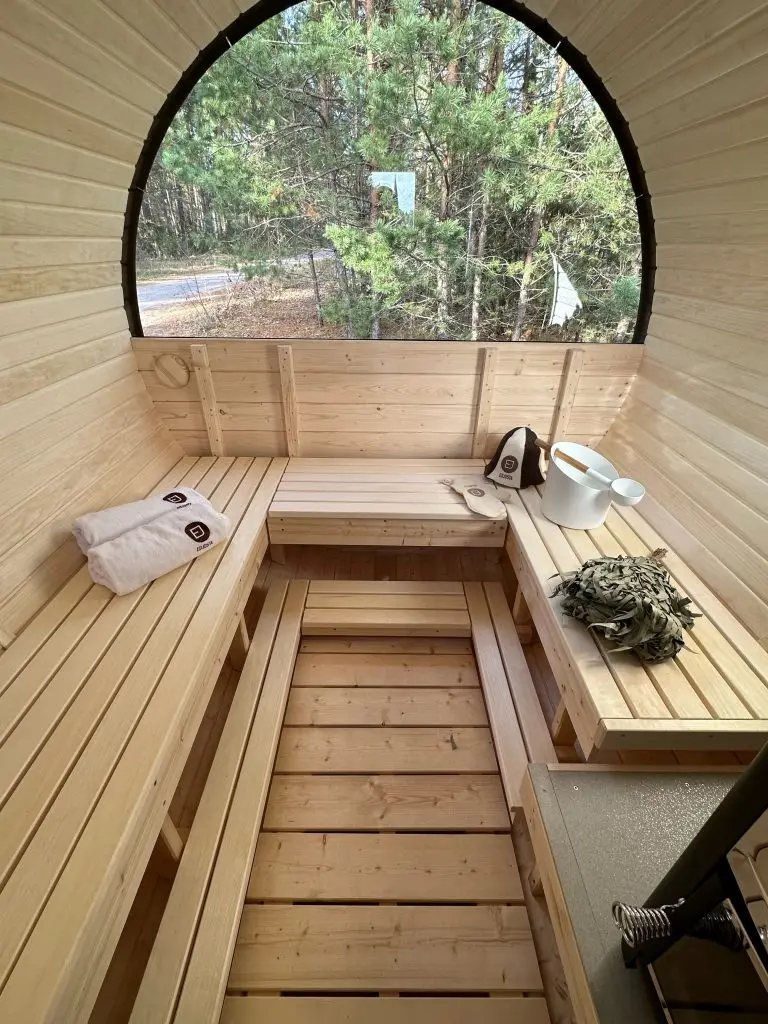
Product views
Send us this model code
CSA-35 | bennett@csauna.com | WhatsApp / Phone: +86 180 7047 6405
Buyer-file detail
CSA-35 production, packing, and RFQ checks
The design team checks these points before the drawing is locked. They decide whether the buyer receives a repeatable model or only a good-looking sample.
- front stove position
- chimney route
- heat shield
- barrel band tension
- local code note
CSA-35 should not be priced like a normal electric barrel because the stove and chimney create a different responsibility file.
The buyer should confirm whether the stove is factory-supplied, buyer-supplied, or only a layout reference.
Chimney height, wall or roof penetration, heat shield, and local installation rules should be listed before production.
Wood-fired models should include a stronger warning-label and manual-language discussion than electric models.
Barrel band tension and stove-side wood protection should be photographed before shipment.
If cedar is selected, the stove-side heat protection should be discussed separately from normal wood-care notes.
Packing should separate stove, chimney parts, heat shield, stones if any, curved boards, roof parts, labels, and small hardware.
Factory photos should show stove placement, chimney parts, shield spacing, bench, barrel exterior, and packed cartons.
MOQ can start from one sample, but repeat orders should freeze stove route, chimney file, roof route, and warning labels.
The RFQ should include destination country, local stove rules, wood choice, packing method, spare parts, and unloading plan.
Buyer-file detail
CSA-35 additional production checks
CSA-35 needs a wood-fired scope note because stove, chimney, shield, warning labels, and local installation rules change the buyer responsibility.
The buyer should confirm whether the stove is supplied by CSauna, sourced locally, or shown only as a layout reference.
Front stove placement should be checked with bench access, user movement, ash cleaning, heat shield, and door clearance.
Chimney route should be photographed before packing because roof penetration and heat protection are key after-sales risk points.
Wood selection should account for stove-side heat exposure, roof protection, exterior coating, and seasonal outdoor maintenance.
Packing should keep stove body, chimney parts, heat shield, barrel boards, roof cover, labels, and hardware in auditable groups.
The RFQ should include destination country, local stove rules, chimney requirement, wood species, crate method, and spare-parts preference.
If the same shell is offered with electric heat, the two versions should have separate quote lines and different technical handoff notes.
Factory photos should show stove position, shield spacing, chimney parts, bench, barrel exterior, roof edge, and final carton labels.
A dealer sample should freeze stove supplier, chimney file, manual language, warning label, roof cover, and hardware pack.
Outdoor care should include ash area cleaning, chimney inspection, barrel band tension, roof care, and wood surface maintenance.
CSA-35 should give buyers a realistic wood-burning barrel file rather than treating it like a normal electric sauna page.