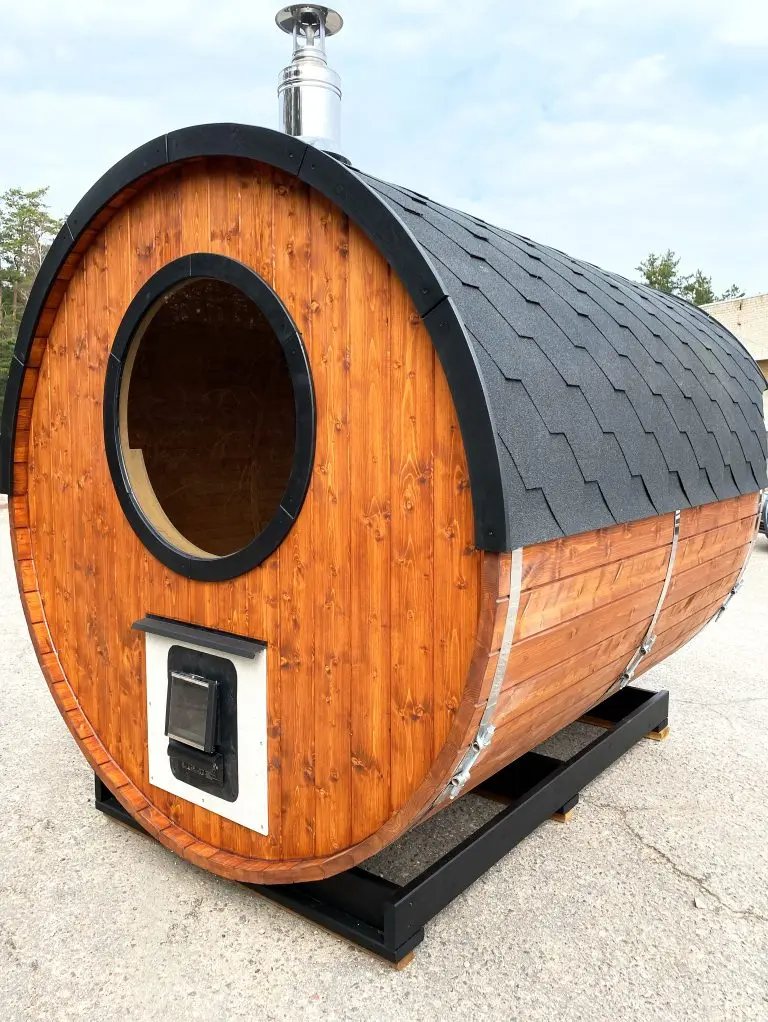
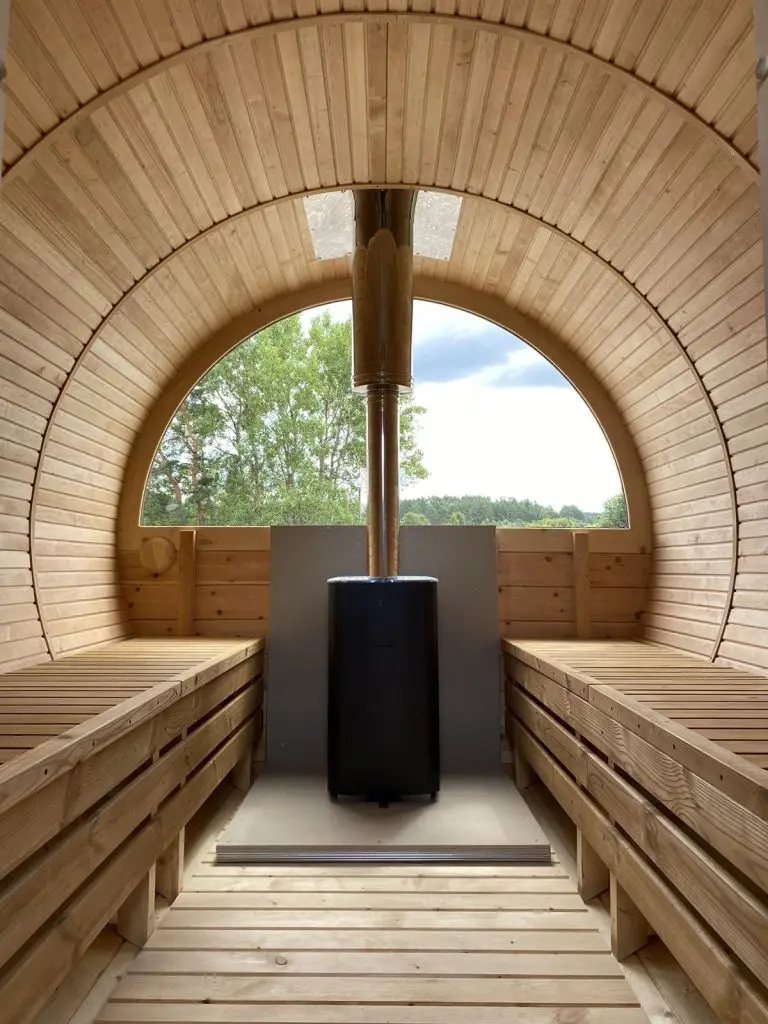
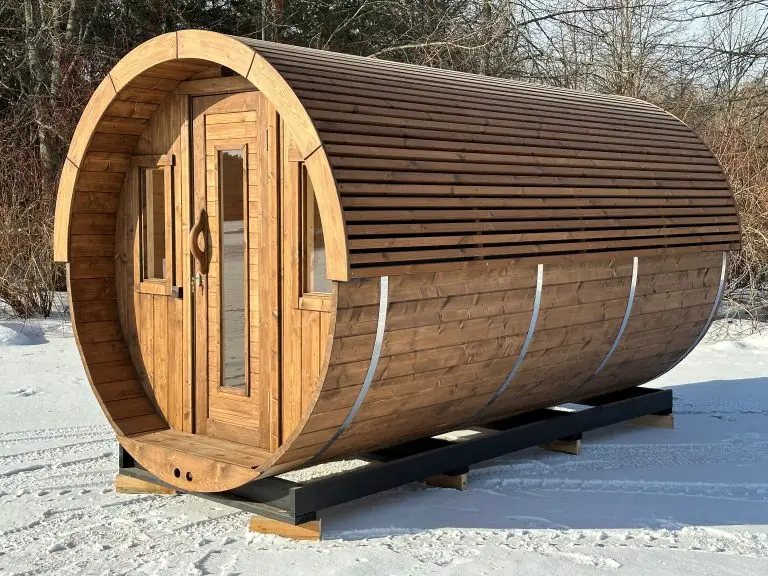
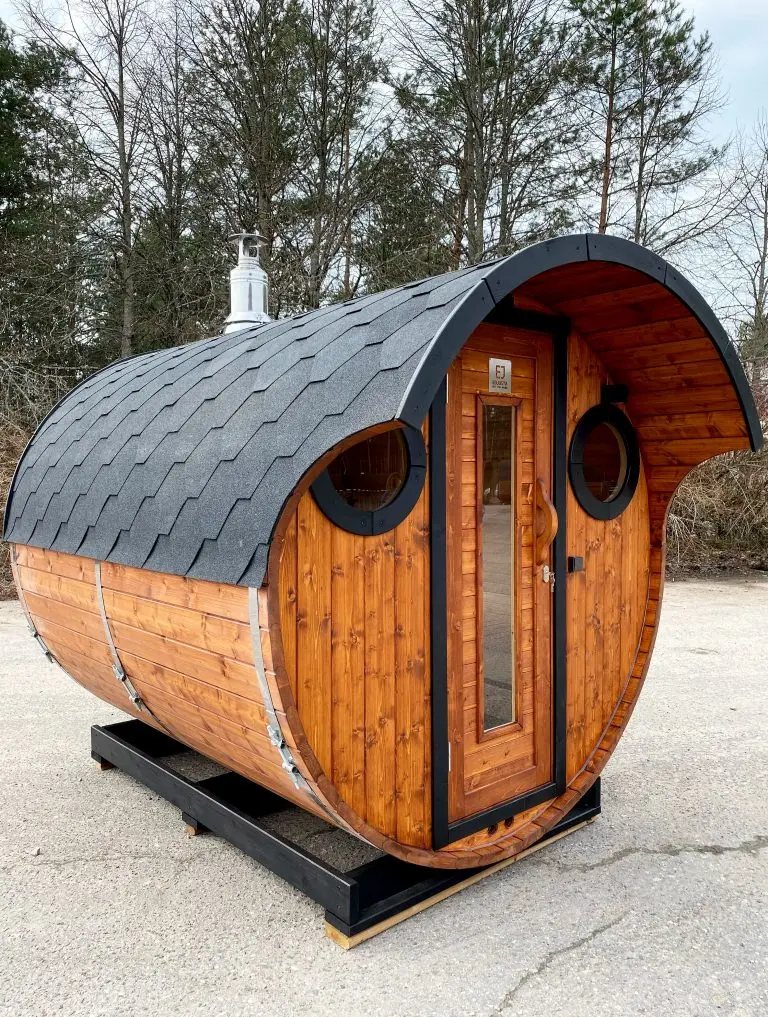
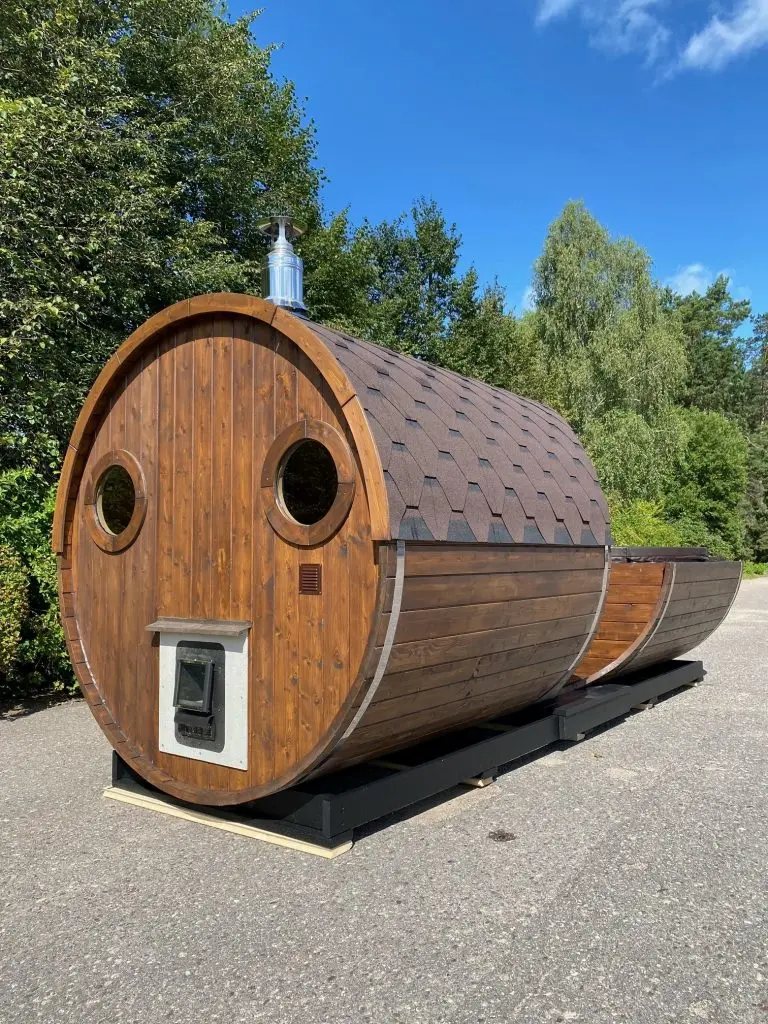
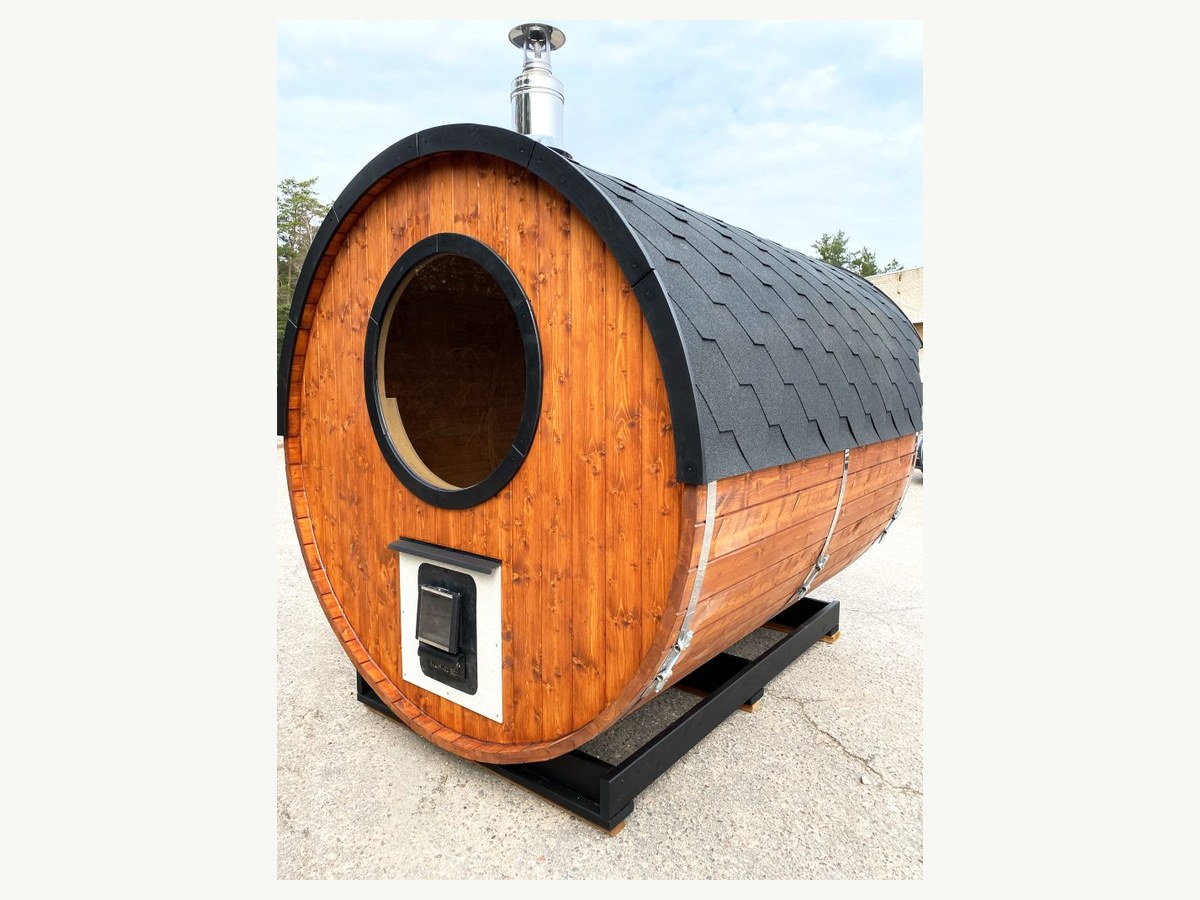
Specifications and options for CSA-36
Use CSA-36 as the visual reference, then confirm capacity, size, heater voltage, wood finish, glass direction, MOQ, packing, and document needs before quotation.
| Model | CSA-36 |
|---|---|
| Type | Barrel sauna |
| Use setting | Outdoor |
| Capacity | 4-6 person |
| Wood / finish | Solid wood construction; species and finish confirmed from project requirements |
| Heater | Wood stove route; flue and clearance confirmed by market |
| Glass | Door and glass layout matched to model |
Use CSA-36 as the visual model reference. Final size, bench layout, heater, glass, voltage, packing, and document route are locked after the approved drawing.
Product views
Send us this model code
CSA-36 | bennett@csauna.com | WhatsApp / Phone: +86 180 7047 6405
Buyer-file detail
CSA-36 production, packing, and RFQ checks
The design team checks these points before the drawing is locked. They decide whether the buyer receives a repeatable model or only a good-looking sample.
- cedar proof
- 4-6 person capacity
- wood stove file
- chimney crate
- spare cedar boards
CSA-36 should make cedar the trust point and wood-fired heating the technical scope, not mix both into one vague premium claim.
Four-to-six capacity should be explained through bench length and barrel diameter rather than only a capacity label.
Cedar origin or supplier evidence should be available when the buyer is paying for a premium cedar route.
Wood stove, chimney, shield, flue, warning labels, and local installer responsibility should be separated in the quote.
Outdoor cedar care should include roof protection, cleaning, oiling or coating expectations, and hardware inspection.
Factory photos should include cedar boards, stove position, chimney parts, bench, barrel bands, roof edge, and carton labels.
Packing should keep cedar face boards away from metal stove parts, chimney edges, and strap pressure.
Spare cedar boards can be quoted for remote dealers where replacement lead time creates after-sales risk.
MOQ can begin from a sample; repeat MOQ should wait until cedar grade, stove route, roof, labels, and carton marks are fixed.
The RFQ should include cedar evidence request, destination stove rules, capacity expectation, unloading method, and project timeline.
Buyer-file detail
CSA-36 additional production checks
CSA-36 needs cedar evidence and wood-fired evidence in the same buyer file because both are major trust and cost drivers.
The buyer should confirm whether cedar is chosen for aroma, outdoor durability, premium catalog position, or dealer display value.
Four-to-six person use should be explained through barrel diameter, bench length, stove position, and practical seated comfort.
Wood-fired scope should list stove body, chimney, flue, heat shield, warning labels, and local installer responsibility.
Cedar near stove-side heat protection should be checked separately from normal exterior cedar care.
Factory photos should include cedar board close-up, stove location, chimney carton, heat shield, bench, roof, and crate marks.
Packing should keep cedar face boards away from stove metal, chimney edges, straps, and loose hardware.
The RFQ should include cedar proof request, destination stove rules, capacity expectation, roof cover, unloading method, and project schedule.
If the buyer serves remote markets, spare cedar boards, spare handles, spare seals, and extra hardware bags should be discussed.
MOQ can begin with one sample, but repeat orders should freeze cedar grade, stove route, chimney file, warning labels, and carton marks.
Outdoor maintenance should mention cedar cleaning, roof shingle checks, barrel band tightening, chimney inspection, and stove-side shield review.
CSA-36 should be a premium cedar wood-fired reference, not a repeated barrel page with a longer title.