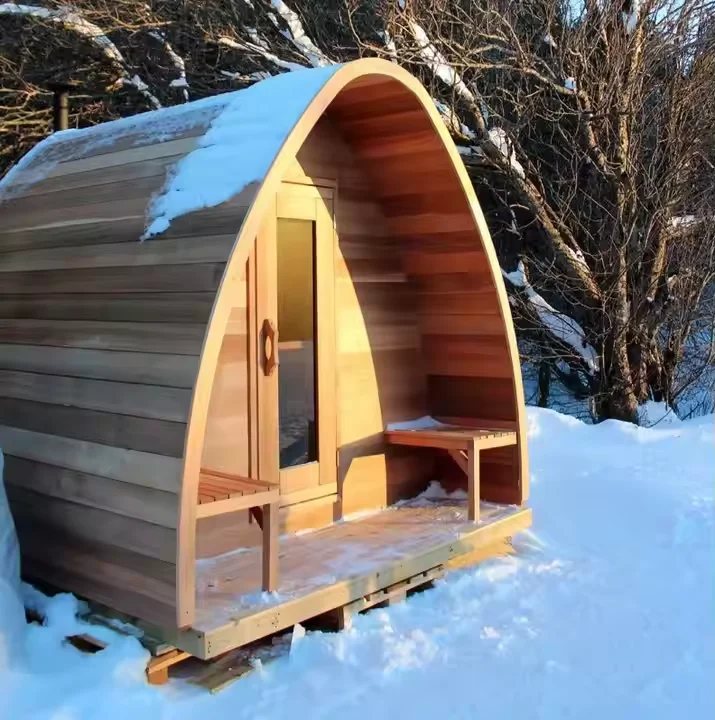
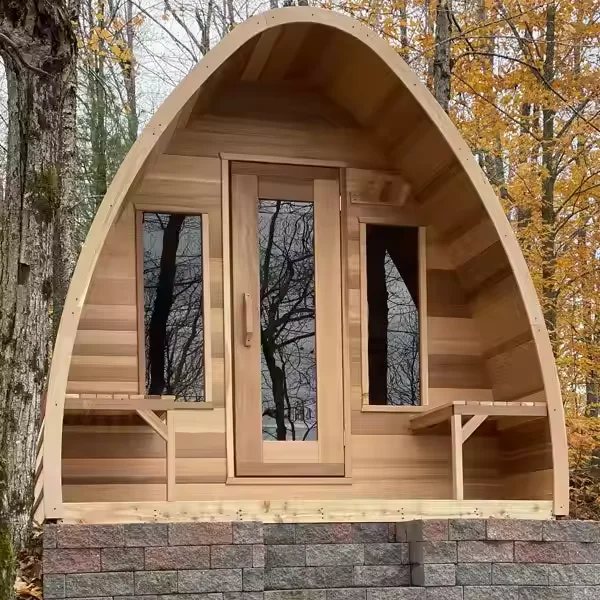
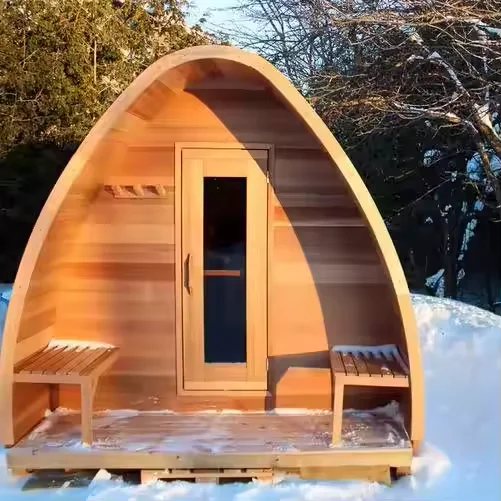
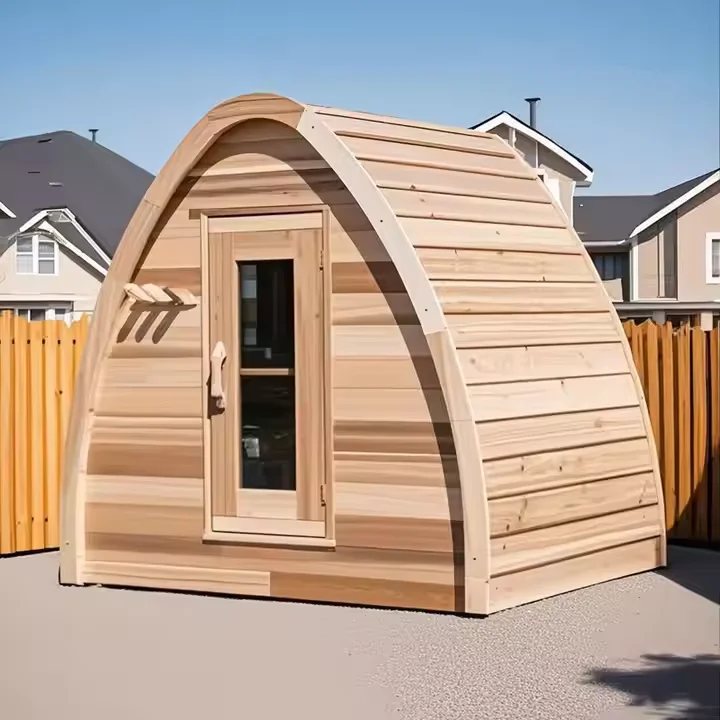
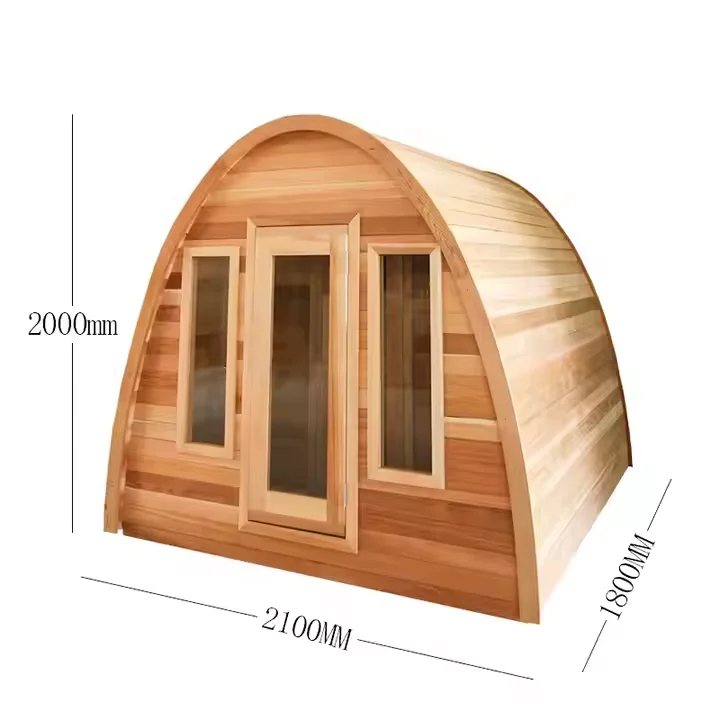
Specifications and options for CSA-45
Use CSA-45 as the visual reference, then confirm capacity, size, heater voltage, wood finish, glass direction, MOQ, packing, and document needs before quotation.
| Model | CSA-45 |
|---|---|
| Type | Arched pod sauna |
| Use setting | Outdoor |
| Capacity | 4-6 person |
| Wood / finish | Project wood species options |
| Heater | Steam heater route; voltage and power confirmed by room volume |
| Glass | Door and glass layout matched to model |
Use CSA-45 as the visual model reference. Final size, bench layout, heater, glass, voltage, packing, and document route are locked after the approved drawing.
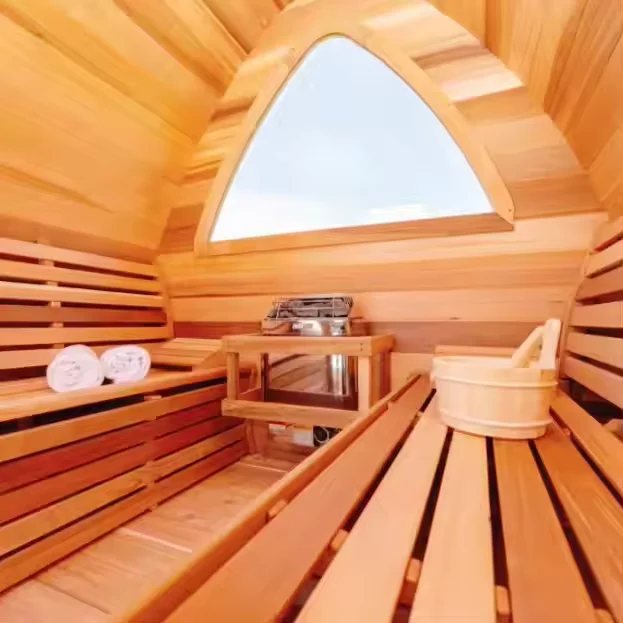
Product views
Send us this model code
CSA-45 | bennett@csauna.com | WhatsApp / Phone: +86 180 7047 6405
Buyer-file detail
CSA-45 production, packing, and RFQ checks
The design team checks these points before the drawing is locked. They decide whether the buyer receives a repeatable model or only a good-looking sample.
- cedar barrel boards
- steam/stone-water route
- barrel band tension
- roof shingles
- bench comfort
CSA-45 should not use steam wording loosely; the buyer file should clarify whether water over stones, electric heat, or wood-fired heat is expected.
Red cedar material should be discussed before price because it affects cost, fragrance, buyer trust, and documentation requests.
The buyer should approve cedar tone and barrel board quality with close-up photos before repeat dealer orders begin.
Electric heater routes should name kW, voltage, controller, stones, guard, certificate request, and manual language.
Wood-fired routes should separately name stove, chimney, heat shield, flue, warning labels, and local installer responsibility.
Barrel band tension, roof shingle overlap, end-wall seal, and bench support should be inspected before packing.
Packing should protect cedar boards, heater or stove cartons, roof material, manuals, labels, small hardware, and visible faces separately.
Outdoor maintenance should include cedar cleaning, oiling or coating, band tightening, roof inspection, and heater or stove checks.
The RFQ should include destination climate, heat route, cedar evidence request, barrel size, capacity, packaging marks, and unloading plan.
A resort buyer may need spare seals, spare handles, extra stones, or stove spare parts depending on the heat route.
CSA-45 should make the premium cedar barrel easier to audit from inquiry through shipment.
The final handoff should connect model code, wood proof, heat file, packing list, photos, and buyer notes.
Buyer-file detail
CSA-45 additional production checks
CSA-45 should include a heat-experience note that explains whether the buyer expects dry heat, water over stones, or a wood-fired routine.
The buyer should approve cedar board tone and barrel diameter together, because both affect how this premium barrel is judged.
If electric heating is selected, heater kW and controller route should be checked against the final barrel volume and destination voltage.
If stove heating is selected, chimney parts, heat shield, local code, warning labels, and ash-cleaning access need a separate scope.
Packing should separate cedar boards, heater or stove parts, roof cover, glass or door hardware, manuals, and small accessories.
A dealer sample should include cedar close-ups, bench photos, roof detail, heater or stove label, and packed carton marks.
The maintenance handoff should name cedar care, barrel band tightening, roof inspection, and heat-system inspection after seasonal use.
CSA-45 should read as a premium cedar barrel with a defined heat route, not as a generic steam sauna phrase.