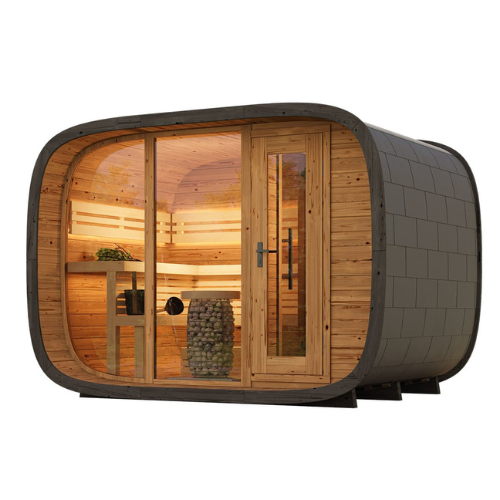
Specifications and options for CSA-58
Use CSA-58 as the visual reference, then confirm capacity, size, heater voltage, wood finish, glass direction, MOQ, packing, and document needs before quotation.
| Model | CSA-58 |
|---|---|
| Type | Outdoor sauna cabin |
| Use setting | Outdoor |
| Capacity | Confirm by layout |
| Wood / finish | Cedar or cedar-style finish |
| Heater | Heater selected for destination market |
| Glass | Door and glass layout matched to model |
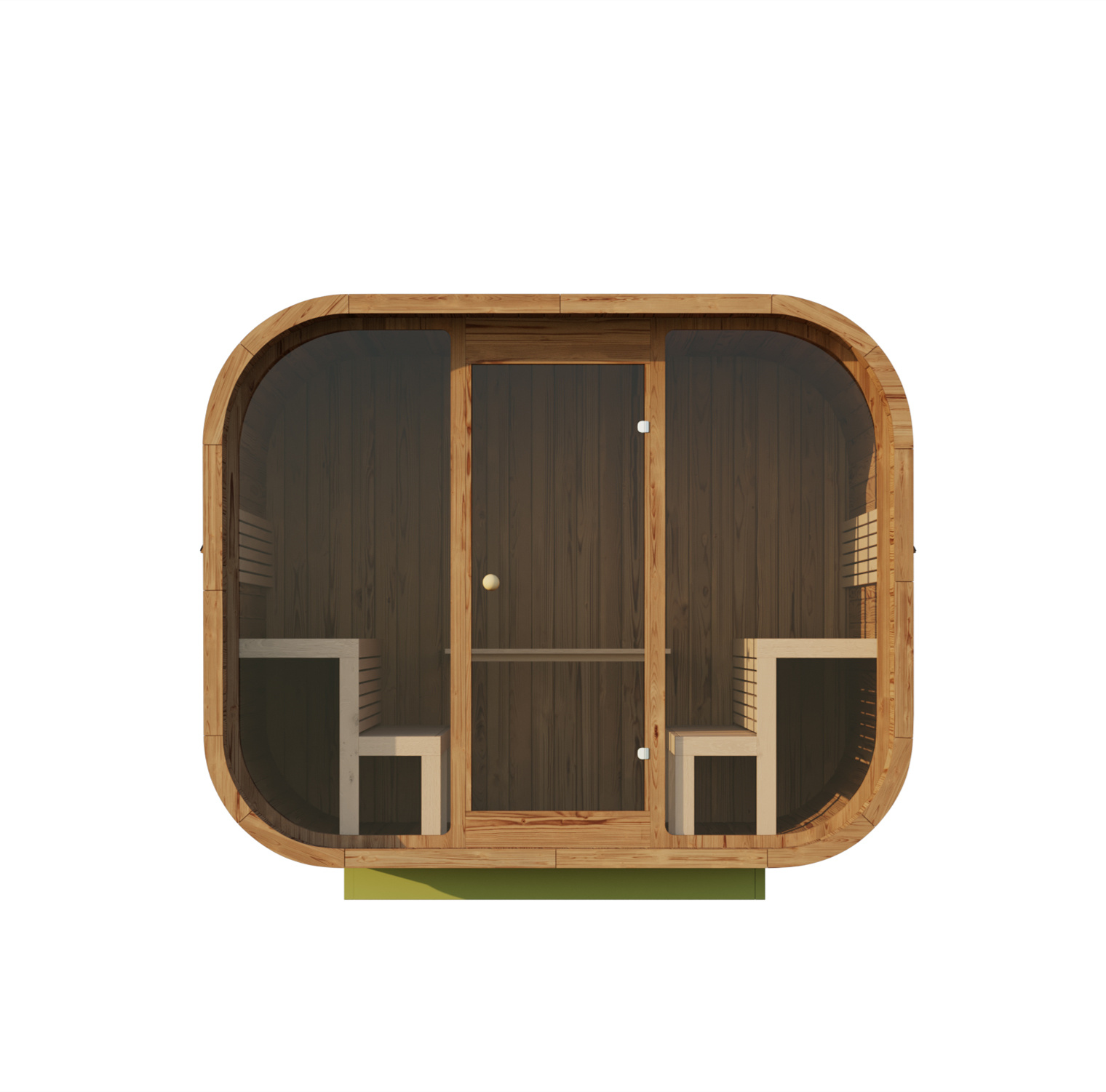
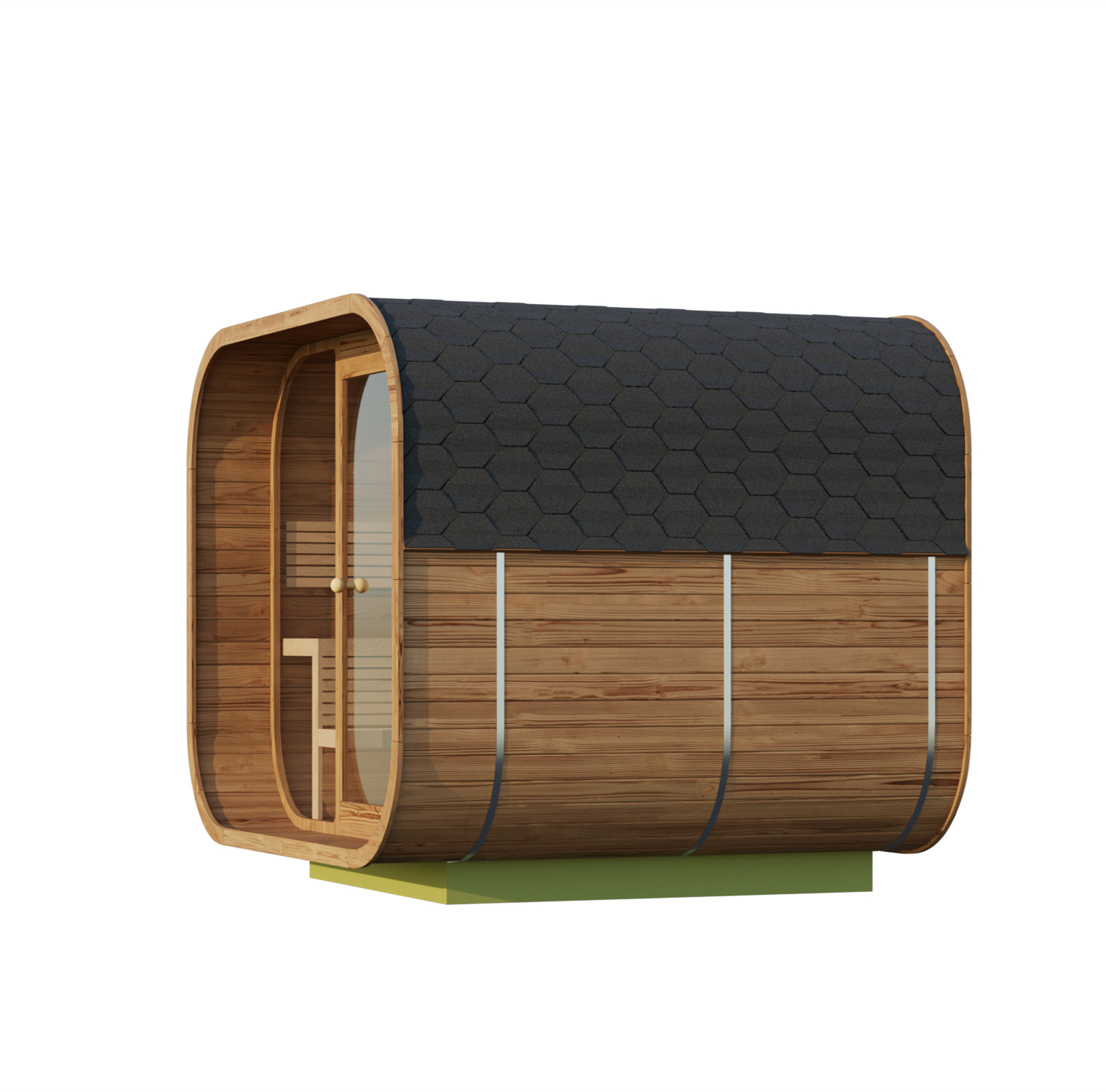
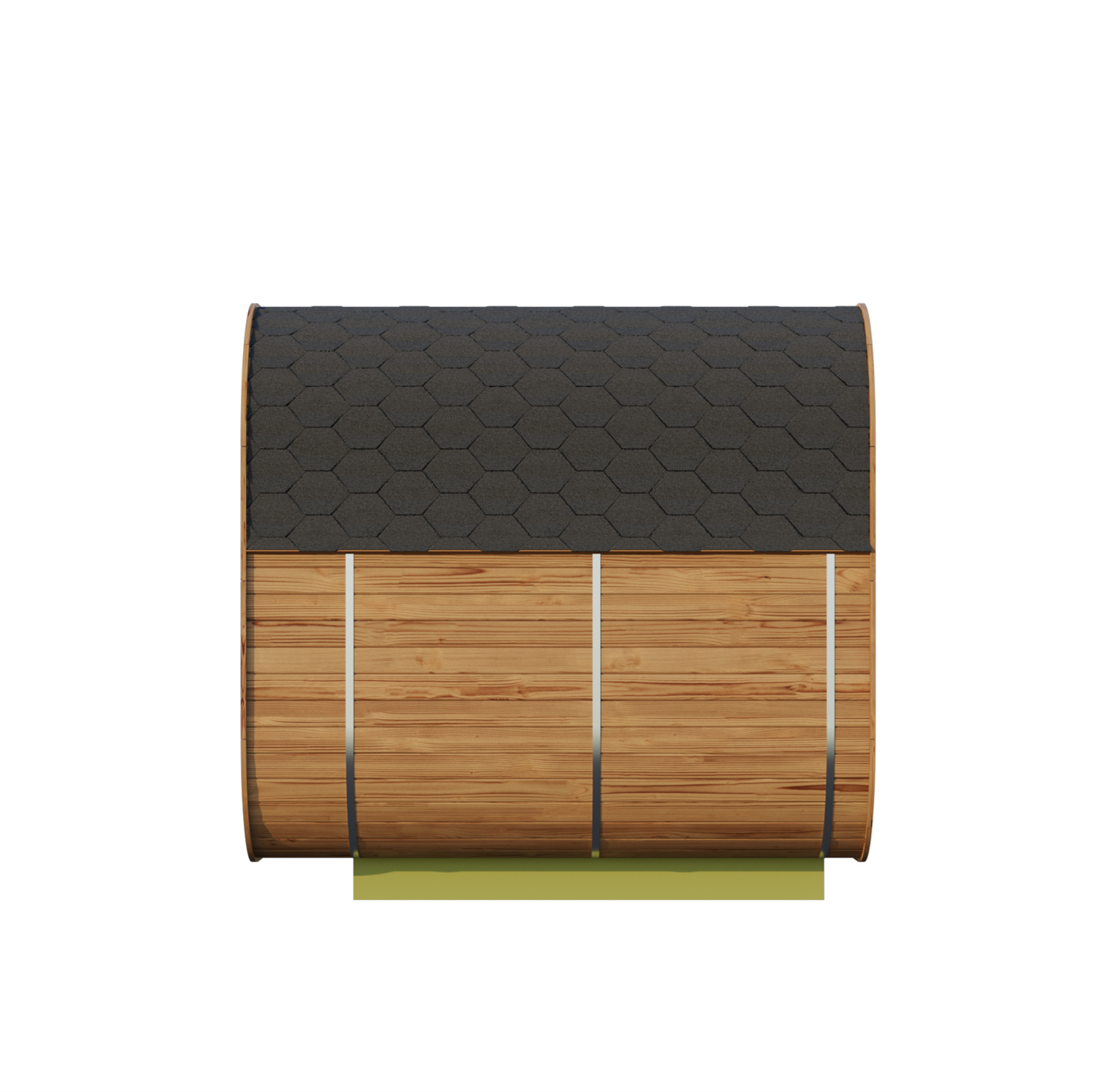
Use CSA-58 as the visual model reference. Final size, bench layout, heater, glass, voltage, packing, and document route are locked after the approved drawing.
Product views
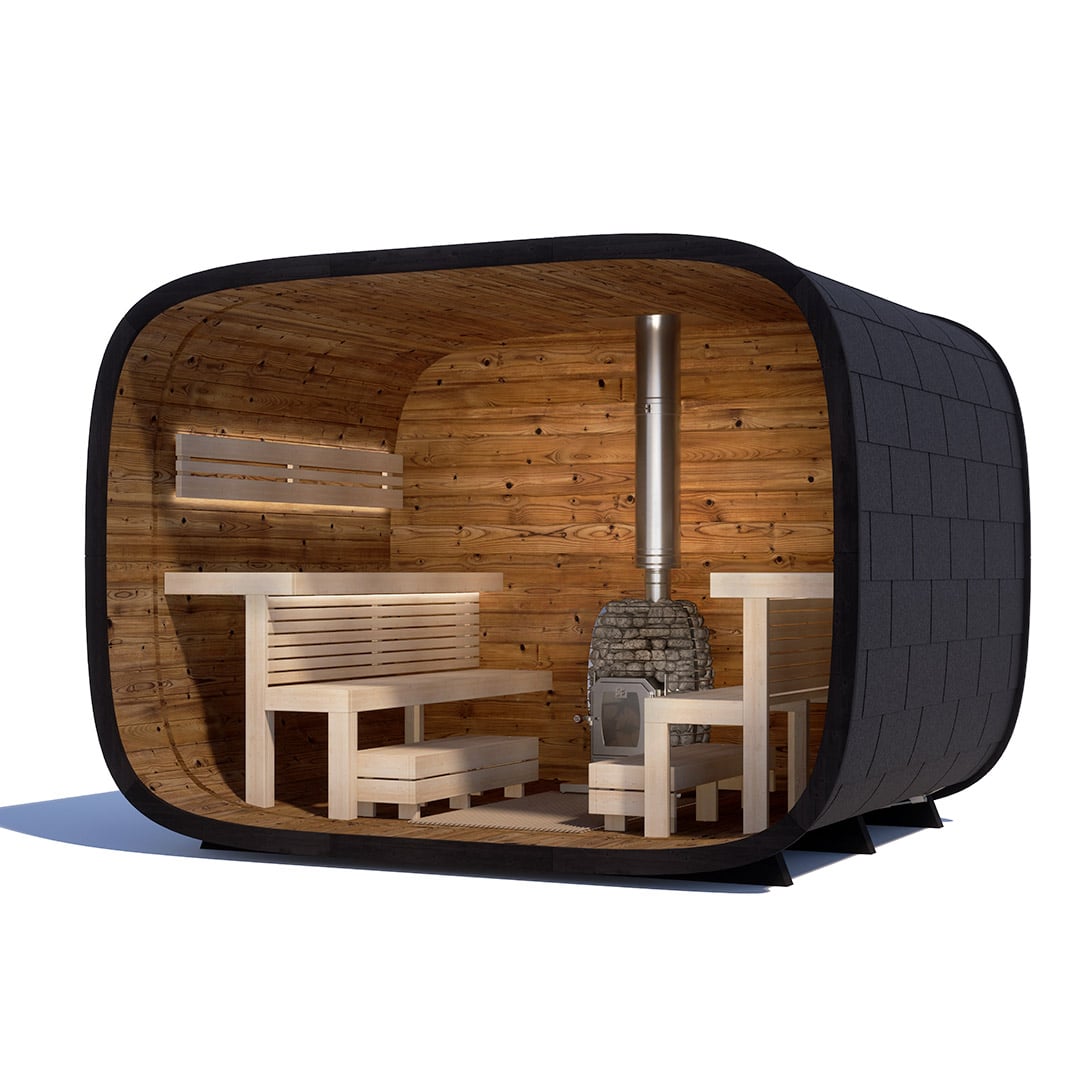
Send us this model code
CSA-58 | bennett@csauna.com | WhatsApp / Phone: +86 180 7047 6405
Buyer-file detail
CSA-58 production, packing, and RFQ checks
The design team checks these points before the drawing is locked. They decide whether the buyer receives a repeatable model or only a good-looking sample.
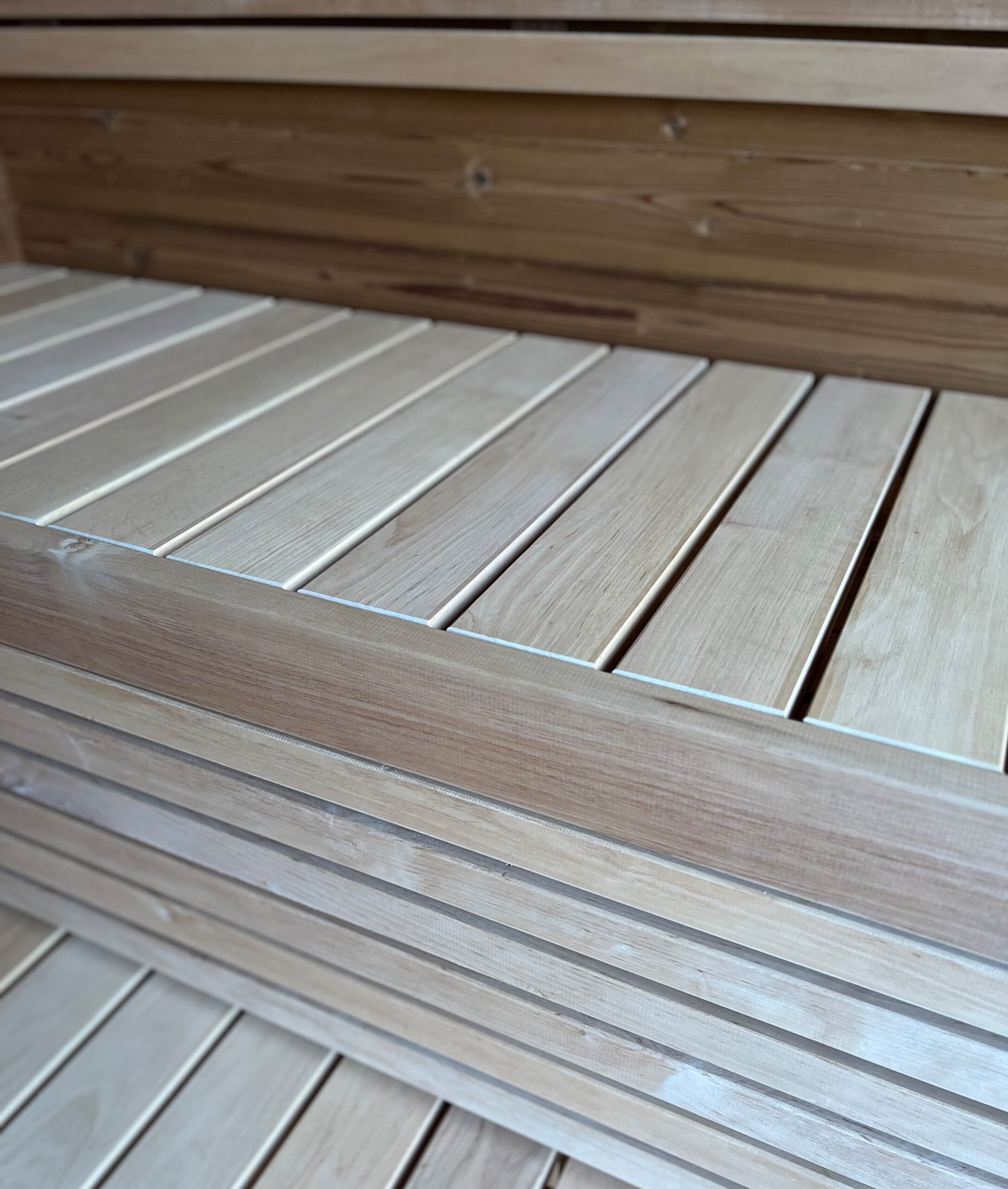
- red cedar proof
- clear glass front
- 4 seat bench
- heater sizing
- glass crate
CSA-58 should make red cedar and clear glass the two main trust points rather than hiding them inside a repeated product block.
The buyer should approve cedar close-ups and glass-front photos before using the model for a showroom or distributor catalog.
If the buyer asks for red cedar documentation, origin or supplier evidence should be attached to the order file when available.
Four-seat capacity should be confirmed by bench length, entry movement, and heater guard clearance.
Large clear glass can increase heater demand, so kW and voltage should be checked after final dimensions and climate are known.
For EU and Southeast Asian routes, 220-240 V or 380-415 V planning should be written with manual and label language.
For North American routes, 240 V planning and local electrician responsibility should be visible before quotation approval.
Packing should protect cedar face boards from glass edges, heater stones, metal hardware, straps, and dirty carton surfaces.
Glass crate labels should be clear because clear front replacement is a high-visibility after-sales item.
Factory photos should show cedar boards, clear glass front, bench, heater label, roof edge, glass crate, and carton labels.
The RFQ should include cedar proof request, glass preference, voltage market, target users, packaging marks, and unloading method.
A dealer sample should freeze cedar grade, glass hardware, heater model, roof detail, label file, and accessory pack.
Outdoor care should include cedar cleaning, oil or coating, glass cleaning, seal inspection, roof care, and fastener checks.
If the buyer requests a lower-cost version, alternate wood should be stated openly instead of keeping the red cedar claim.
Spare cedar boards, spare handles, and spare glass seals can be quoted for remote dealer programs.
MOQ can start from one sample, while repeat orders should wait until cedar grade and glass supplier are stable.
CSA-58 should reassure buyers that premium material and glass scope are both controlled.
The final handoff should keep material evidence, glass route, heat route, packing, and certificate notes together.
Final buyer confirmation
For CSA-58, red cedar and clear glass should both appear in the inspection file because they are the two details buyers will question first.
The buyer should confirm whether the glass front is for display, scenery, or indoor light, because heater sizing and privacy notes can change.
If the model ships to a remote dealer, spare glass seals and spare cedar boards should be considered with the first order.