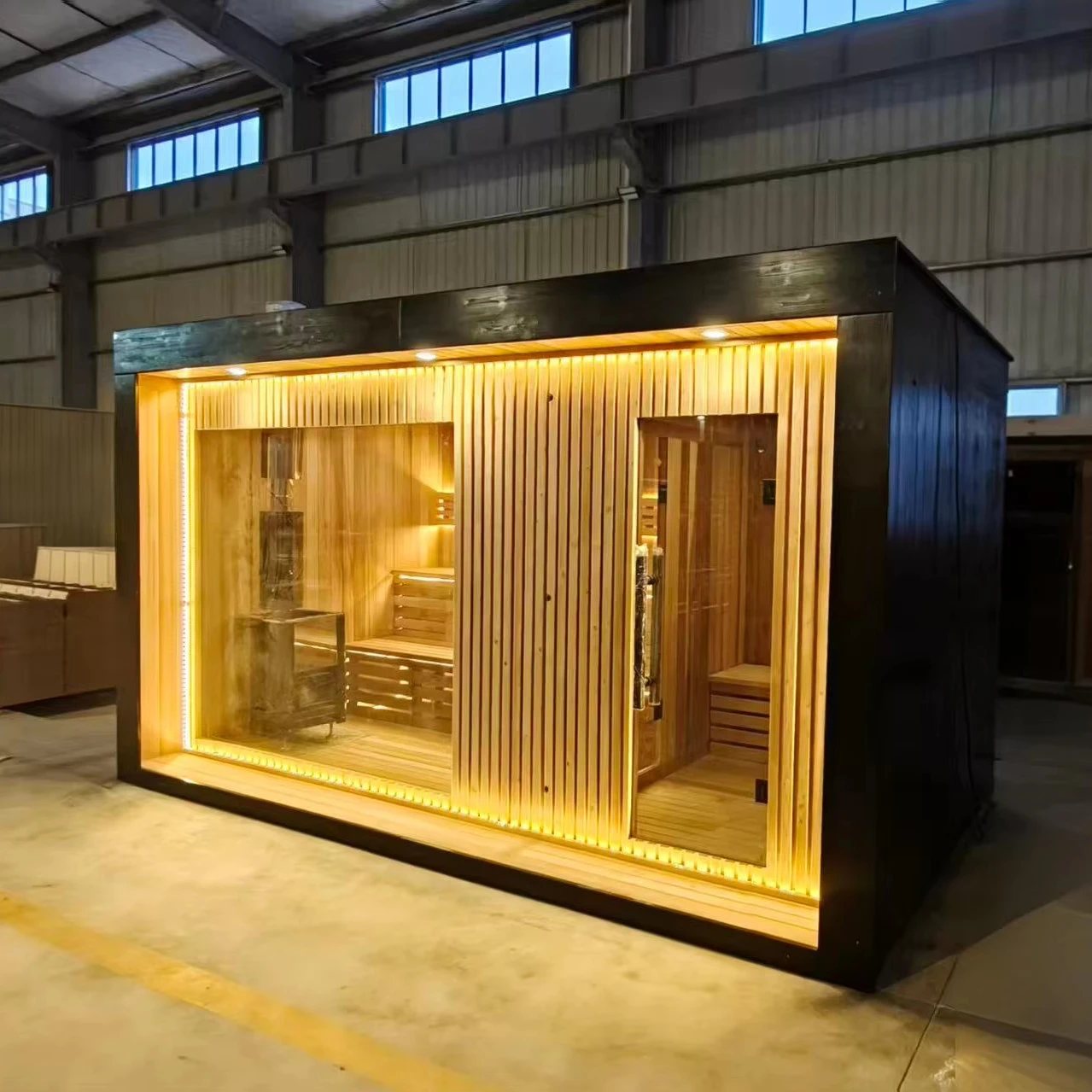
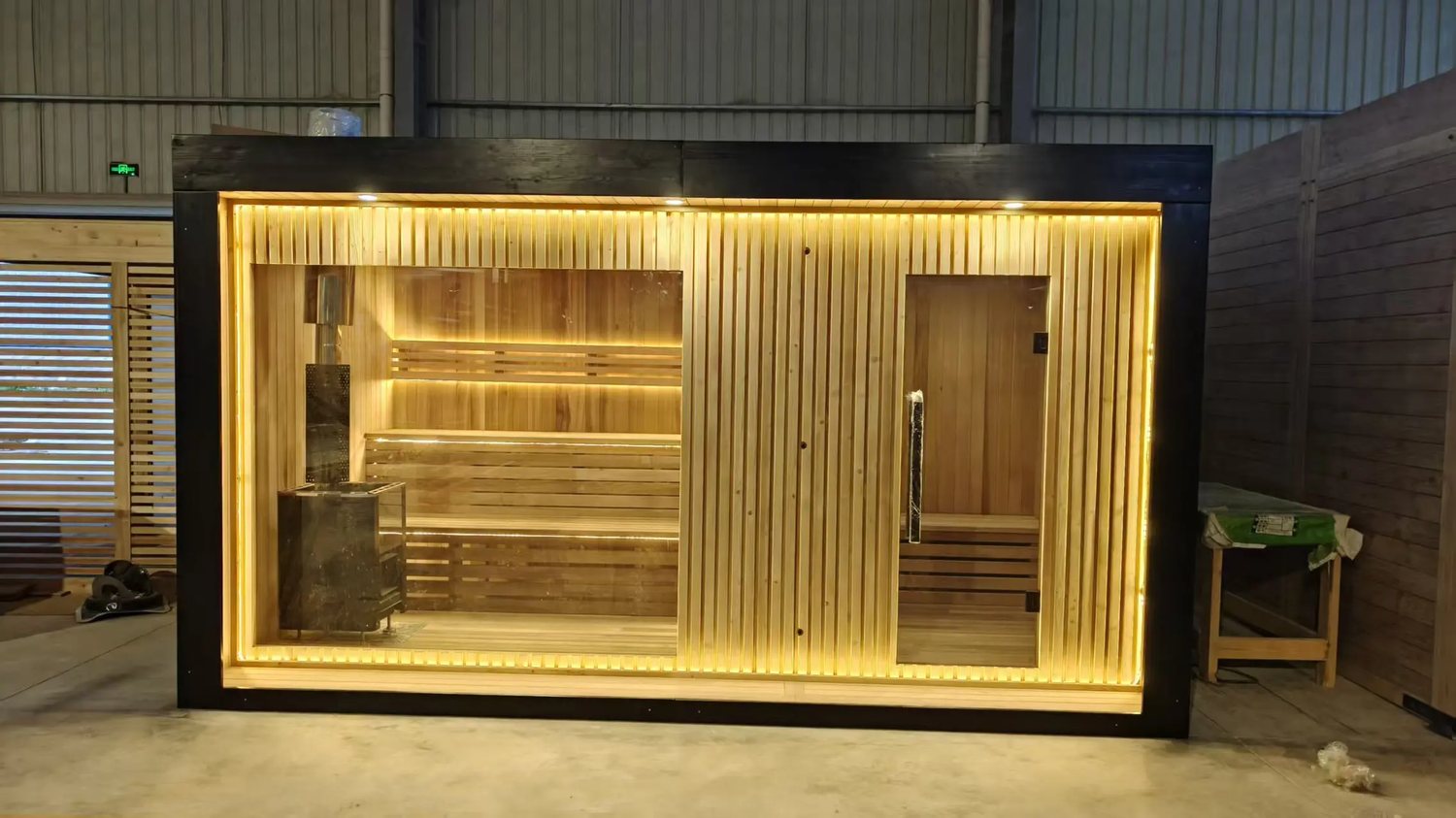
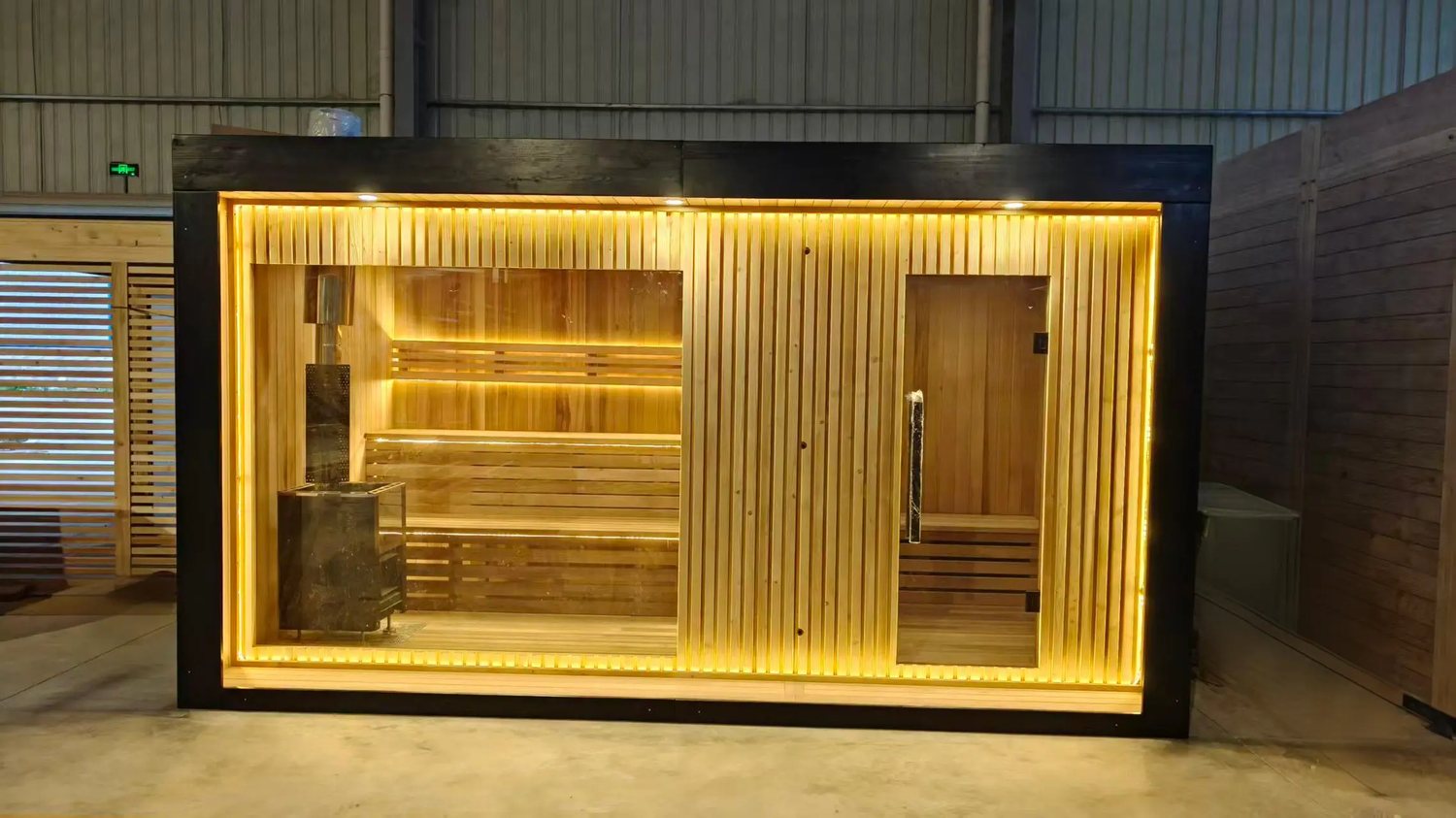
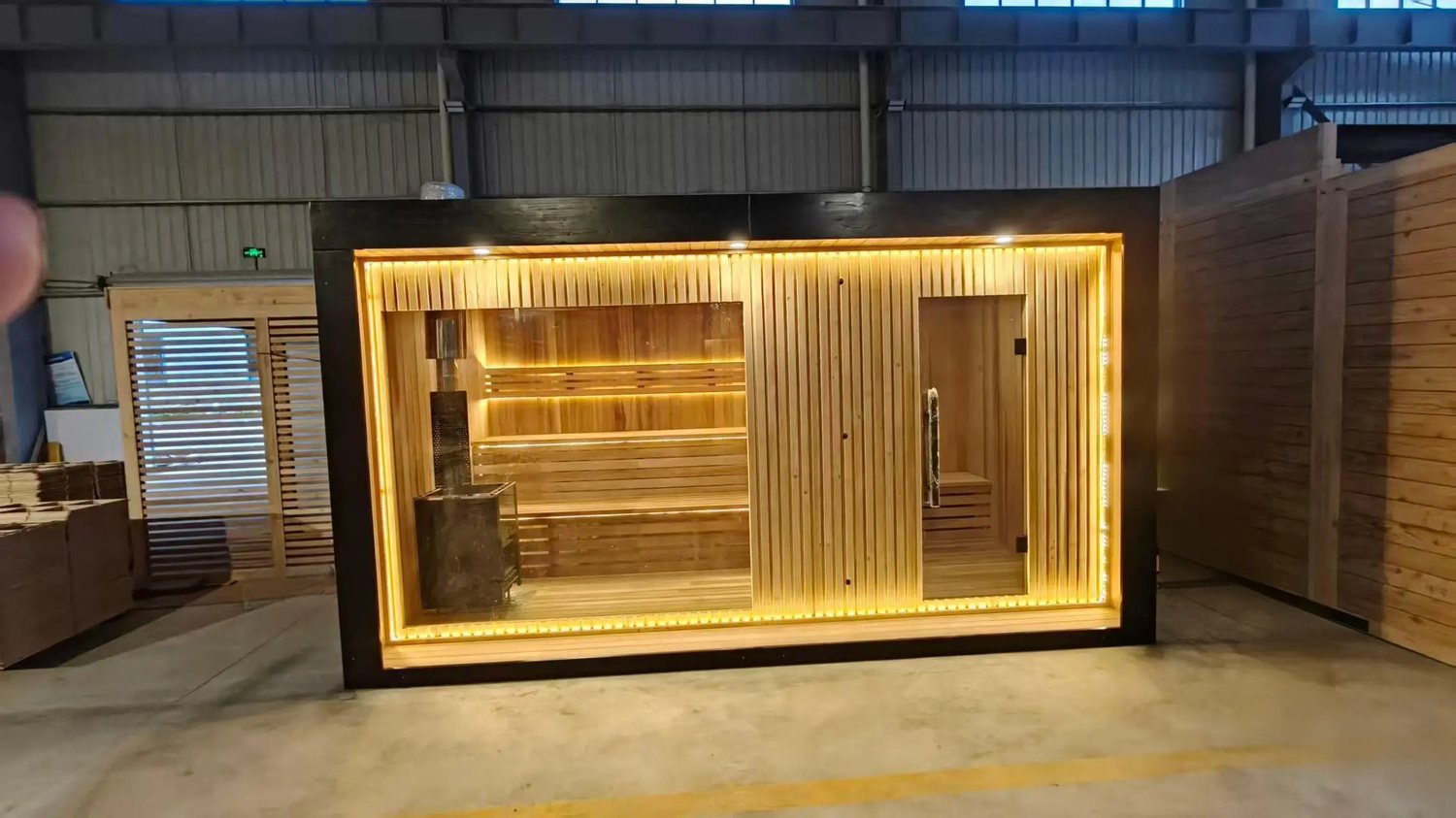
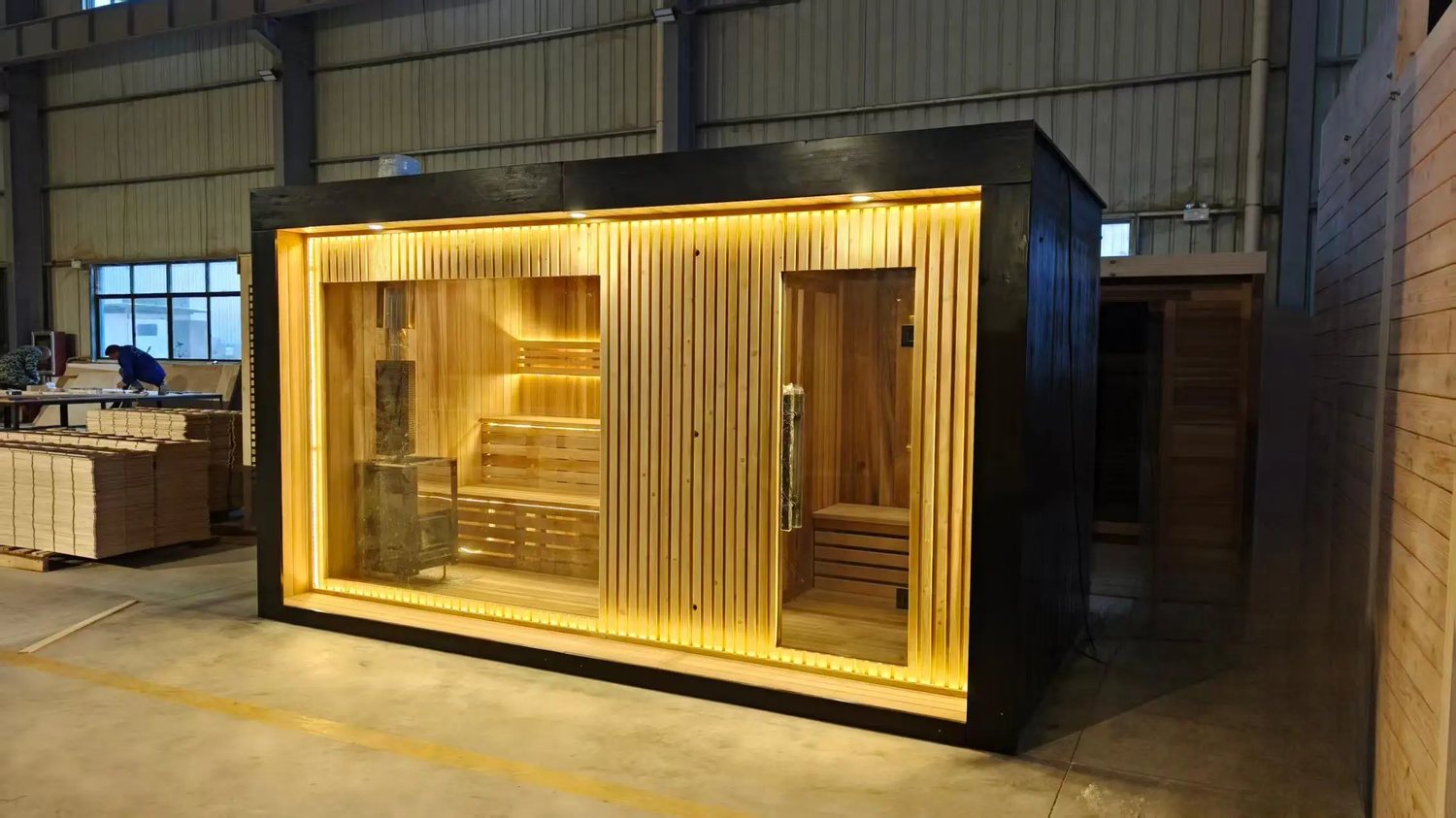
Specifications and options for CSA-49
Use CSA-49 as the visual reference, then confirm capacity, size, heater voltage, wood finish, glass direction, MOQ, packing, and document needs before quotation.
| Model | CSA-49 |
|---|---|
| Type | Outdoor sauna cabin |
| Use setting | Outdoor |
| Capacity | 4-6 person |
| Wood / finish | Thermo wood option |
| Heater | Heater selected for destination market |
| Glass | Door and glass layout matched to model |
Use CSA-49 as the visual model reference. Final size, bench layout, heater, glass, voltage, packing, and document route are locked after the approved drawing.
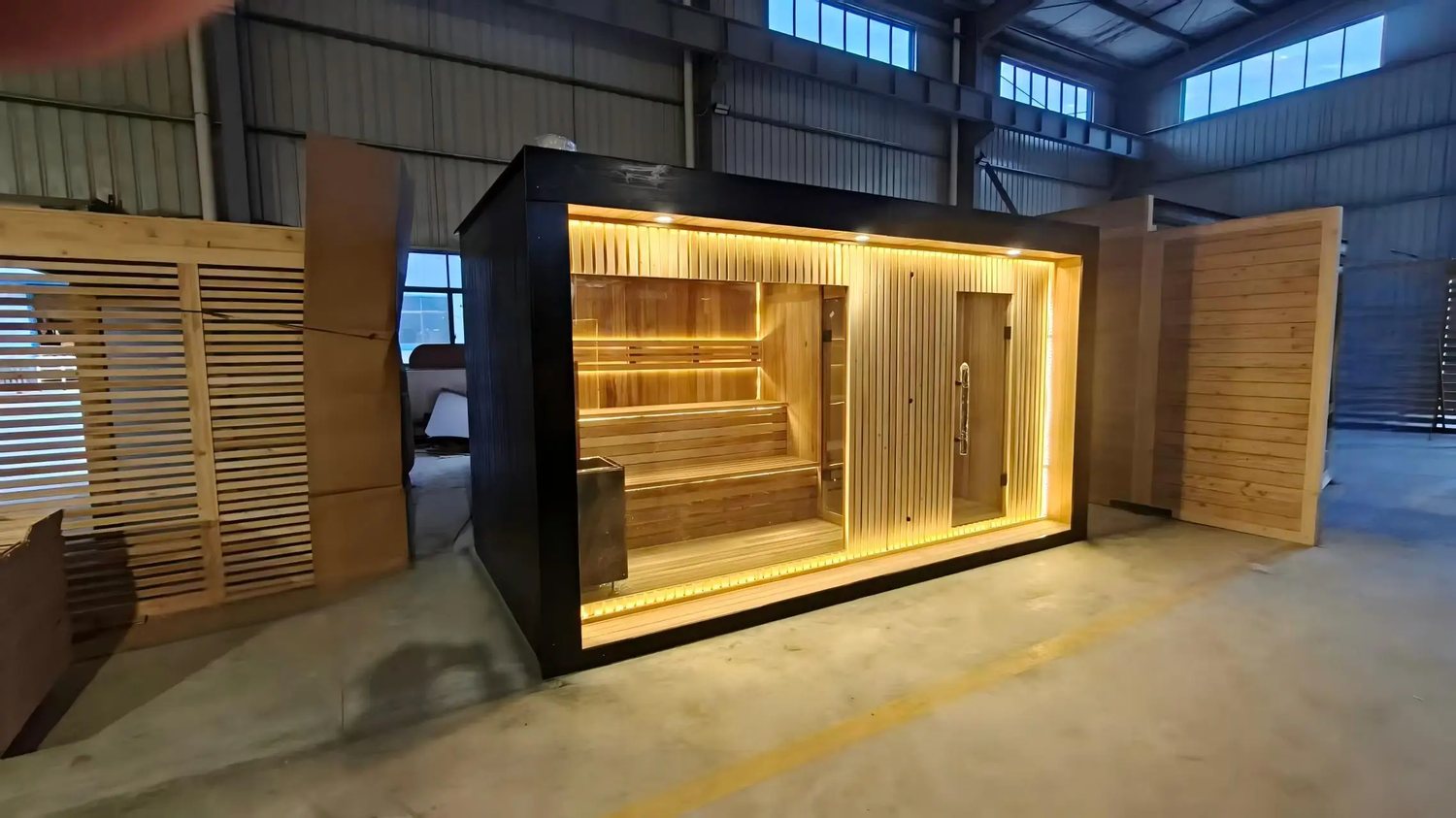
Product views
Send us this model code
CSA-49 | bennett@csauna.com | WhatsApp / Phone: +86 180 7047 6405
Buyer-file detail
CSA-49 production, packing, and RFQ checks
The design team checks these points before the drawing is locked. They decide whether the buyer receives a repeatable model or only a good-looking sample.
- thermo wood evidence
- Finnish-style layout
- roof edge
- heater/stove route
- maintenance handoff
CSA-49 should explain why thermo wood is selected, because it is not the same procurement story as raw pine or cedar.
The buyer should understand whether thermo wood is chosen for color, stability, outdoor durability, or Scandinavian-style positioning.
Board tone and surface photos should be included before a dealer uses this model in a catalog.
If the buyer asks for cedar instead, the quote should state material substitution rather than keeping the same product claim.
Electric heater files should include kW, voltage, controller, stones, guard, labels, manuals, and certificate request.
Wood-stove options should separately name stove, chimney, heat shield, local installation boundary, and warning labels.
Thermo wood outdoor care should include cleaning, oil or coating expectation, roof checks, hardware inspection, and color-aging notes.
Packing should protect thermo boards, roof trim, glass or door hardware, heater or stove cartons, manuals, labels, and spare parts.
Factory photos should show thermo wood close-up, front, side, bench, heater or stove side, roof edge, and carton labels.
The RFQ should include material evidence request, destination climate, heat route, voltage or chimney need, sample quantity, and unloading method.
CSA-49 should give buyers a real material-selection guide inside the product page, not only a Finnish-style title.
For repeat orders, freeze thermo wood grade, finish, heat route, roof, manual language, and carton marks before launching the SKU.
Buyer-file detail
CSA-49 additional production checks
CSA-49 should include a thermo-wood explanation because buyers may not know how thermo wood differs from untreated pine or cedar.
The buyer should approve material tone with real photos because thermo wood color can carry the Finnish-style positioning.
If the buyer needs material proof, supplier evidence or treatment-route notes should be attached to the order file when available.
The heat route should be selected after confirming whether the buyer wants electric stones, wood stove, or a local heat package.
Outdoor maintenance should discuss surface care, color aging, roof checks, door hardware, ventilation, and seasonal inspection.
Packing should protect thermo boards, glass or door hardware, heater or stove carton, roof pieces, labels, manuals, and spare parts.
For repeat orders, freeze thermo wood grade, roof color, heat route, manual language, label file, and carton marks.
CSA-49 should make material selection a visible strength of the product page rather than only a title keyword.