Specifications and options for CSA-79
Use CSA-79 as the visual reference, then confirm capacity, size, heater voltage, wood finish, glass direction, MOQ, packing, and document needs before quotation.
| Model | CSA-79 |
|---|---|
| Type | Barrel sauna |
| Use setting | Outdoor |
| Capacity | Confirm by layout |
| Wood / finish | Project wood species options |
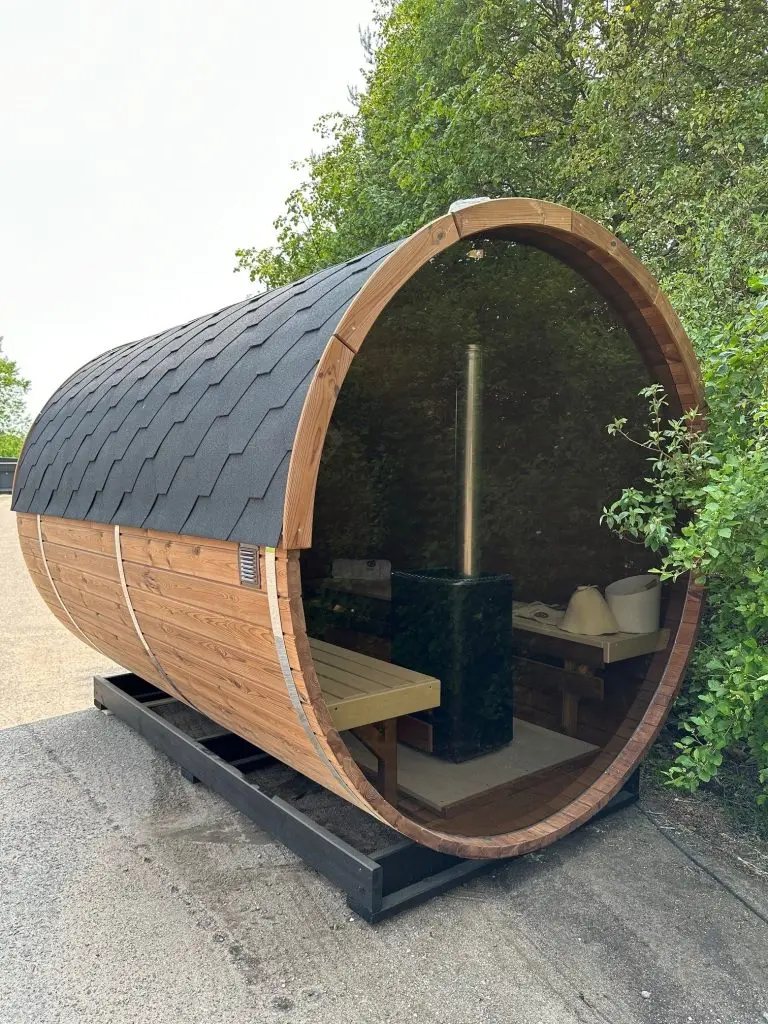
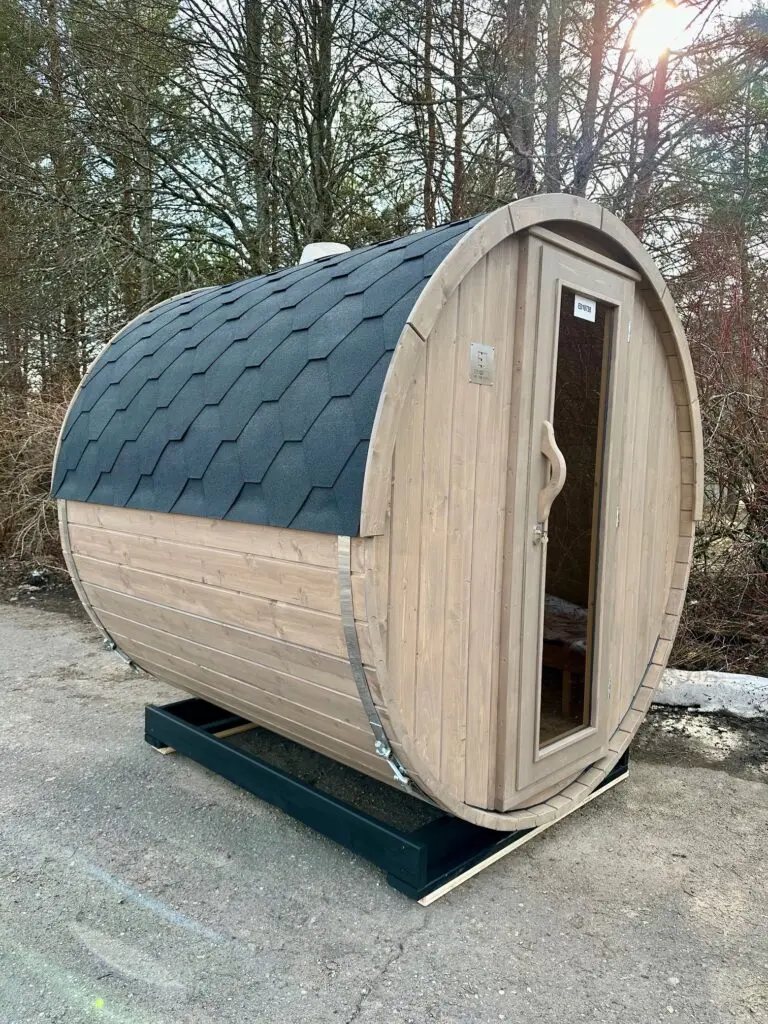
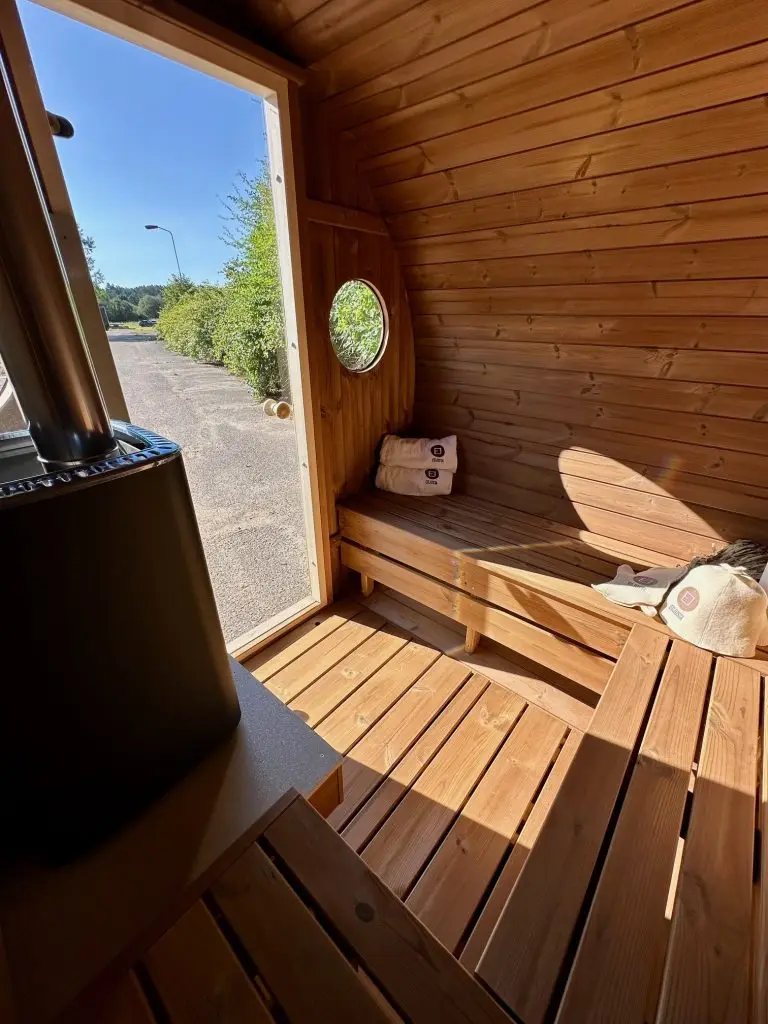
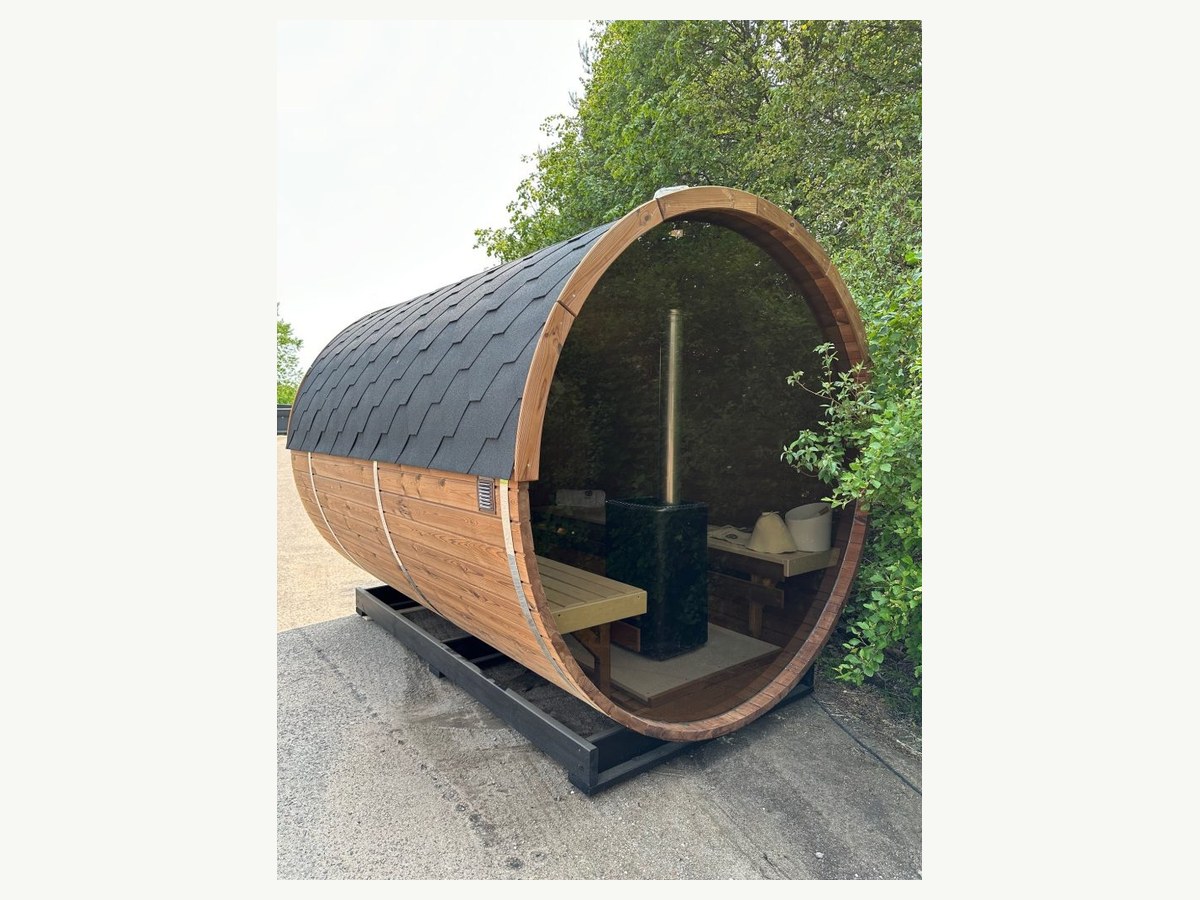
| Structure | Barrel cabin with a dark shingle-clad curved roof |
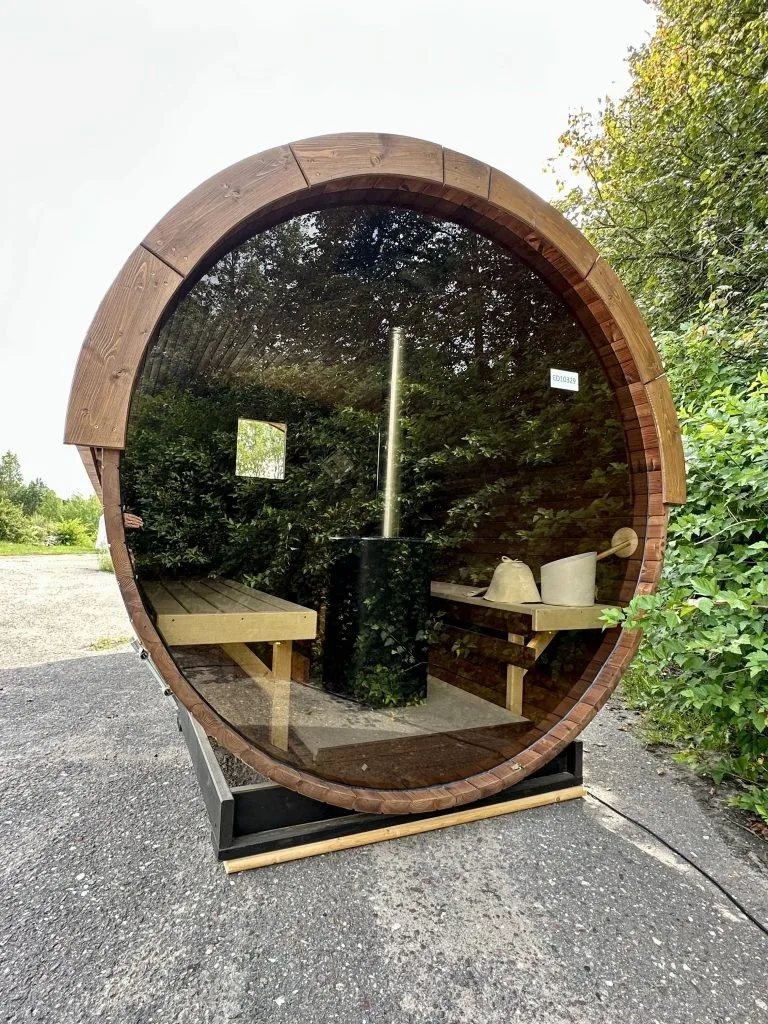
| Heater | Central wood-burning stove and chimney shown |
| Glass | Full circular panoramic glass front |
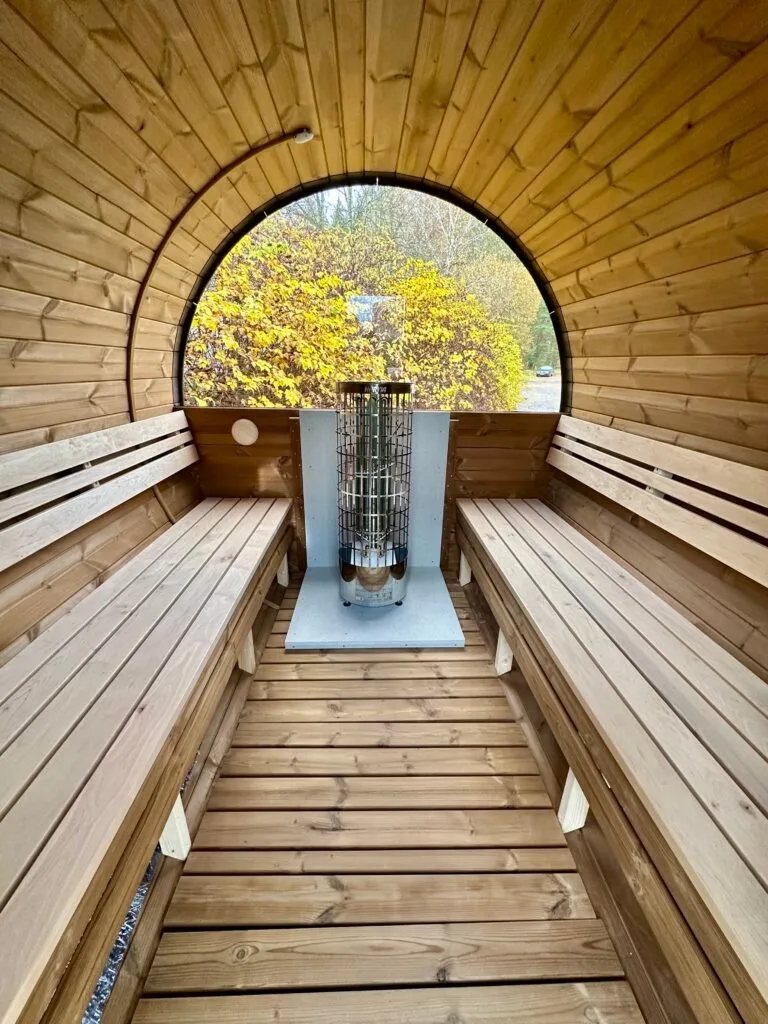
| Interior layout | Facing full-length benches along both sides |
| MOQ | 1 set for sample ordering; repeat-order quantity and mixed-container planning are confirmed in the quotation |
Use CSA-79 as the visual model reference. Final size, bench layout, heater, glass, voltage, packing, and document route are locked after the approved drawing.
Product views
Send us this model code
CSA-79 | bennett@csauna.com | WhatsApp / Phone: +86 180 7047 6405
Buyer-file detail
CSA-79 production, packing, and RFQ checks
The design team checks these items before the drawing is locked. They make the page more useful for sourcing, quotation, inspection, and repeat-order handoff.
- open front structure
- glass area
- barrel bands
- bench direction
- heater sizing
- privacy level
CSA-79 should define what open-concept means in the final drawing because buyers may imagine anything from a wide door to a large glass front.
A larger front opening can change barrel stiffness, heat retention, glass cost, and packing risk, so it should not be treated as styling only.
If the buyer wants scenery from inside the sauna, glass direction and privacy level should be confirmed before production.
Heater kW should be reviewed after opening size and glass area are known, especially for colder outdoor markets.
The RFQ should include opening type, glass scope, door swing, wood route, roof finish, voltage, heater package, and destination climate.
Packing should protect front-frame pieces and glass separately from normal barrel boards and bands.
The final drawing should show front opening width, bench sightline, heater clearance, vent route, band position, and roof overlap.
If the model is for a resort, guest safety label, handle choice, cleaning access, and spare glass seal should be discussed.
Material close-ups should show the wood surface used around the front opening because that area becomes highly visible.
Electric heater notes should include kW, voltage, controller, sensor, guard, stones, manual language, and certificate request.
Wood-fired notes should include stove clearance, chimney route, shield, roof penetration, and local installer responsibility.
A sample order should include front opening photos, band detail, roof edge, interior view, heater package, and carton marks.
If private-label branding is needed, logo position should not interfere with the open front or glass view.
The quote should separate open-front modification, glass package, heater change, roof finish, and packing method.
Repeat orders should lock the same front opening and band configuration so replacement parts remain consistent.
Final handoff should include buyer-facing notes explaining maintenance around the larger front opening and seals.
Final buyer confirmation
For CSA-79, the open-concept front should be defined with a drawing note so the buyer does not confuse a wide door, a glass front, and a partially open frame.
The buyer should approve privacy level and heat-loss expectations together because a more open barrel shape can change both sales value and heater sizing.
CSauna should keep a front-frame inspection photo in the file before packing, since this area carries the main structural difference from a standard barrel sauna.