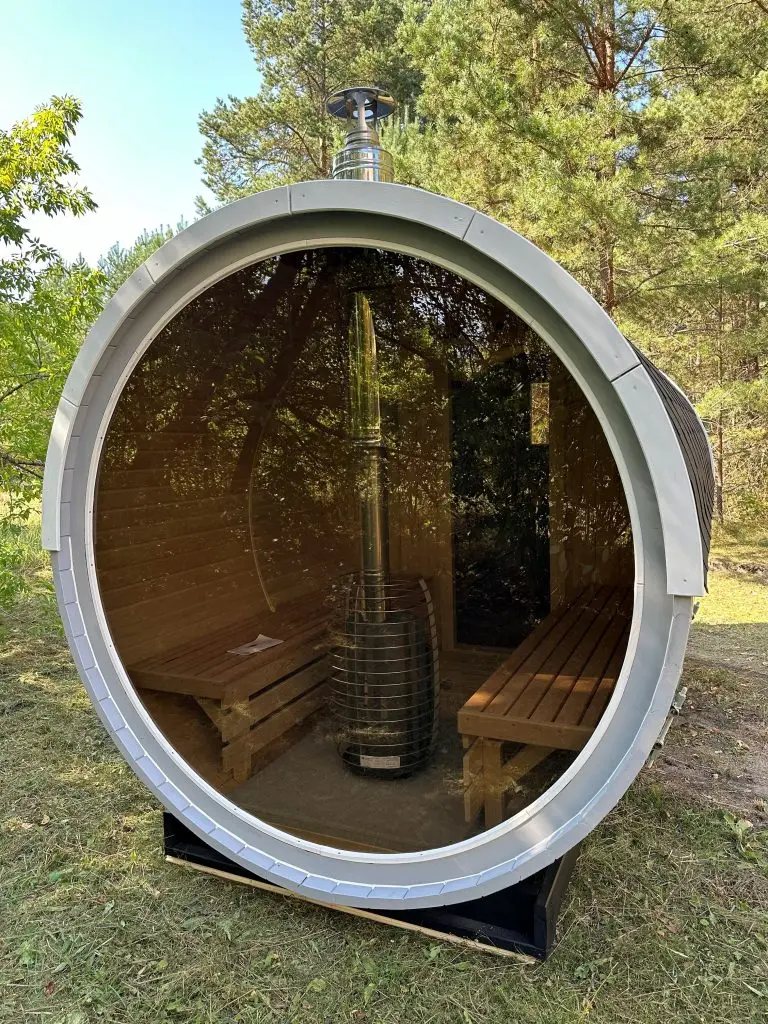
Specifications and options for CSA-56
Use CSA-56 as the visual reference, then confirm capacity, size, heater voltage, wood finish, glass direction, MOQ, packing, and document needs before quotation.
| Model | CSA-56 |
|---|---|
| Type | Barrel sauna |
| Use setting | Outdoor |
| Capacity | Confirm by layout |
| Wood / finish | Cedar finish direction identified by the verified source listing; final wood species, grade, coating, and interior bench timber are confirmed in the approved order file |
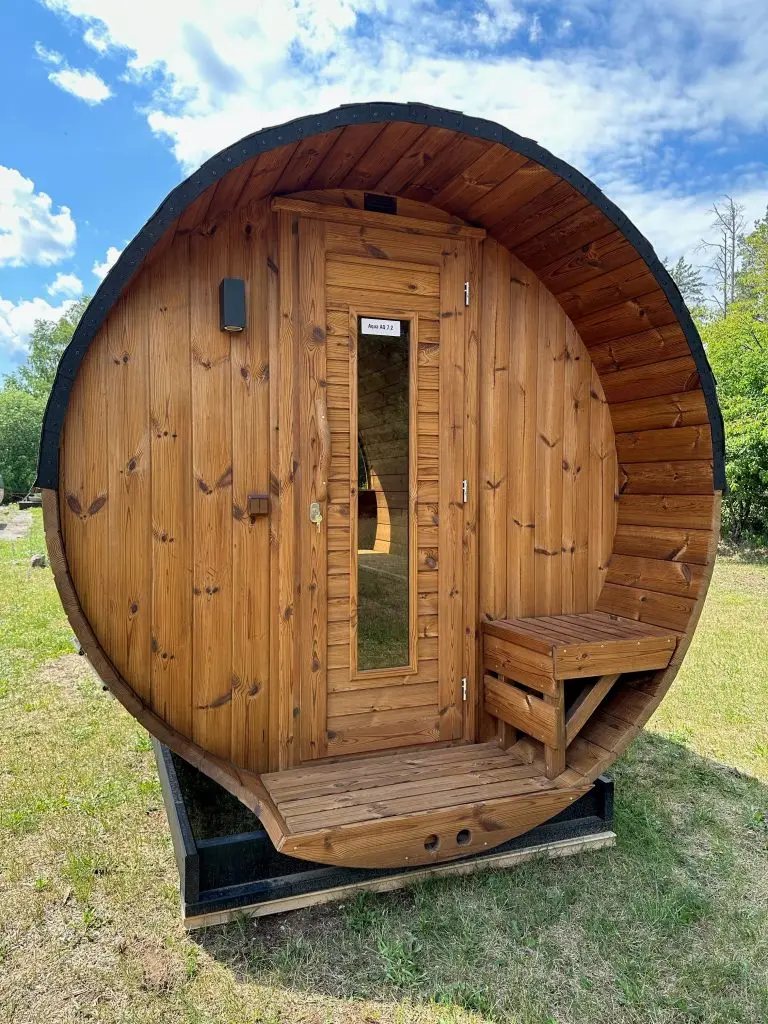
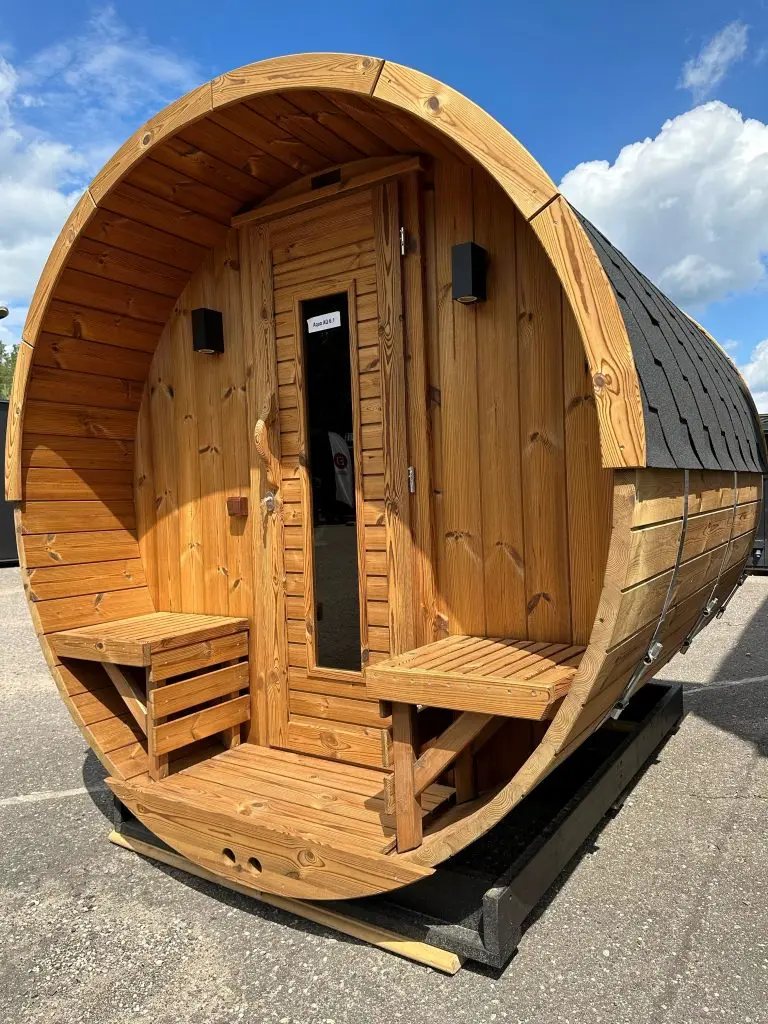
| Structure | Compact barrel cabin with a curved shingle roof and covered entrance porch |
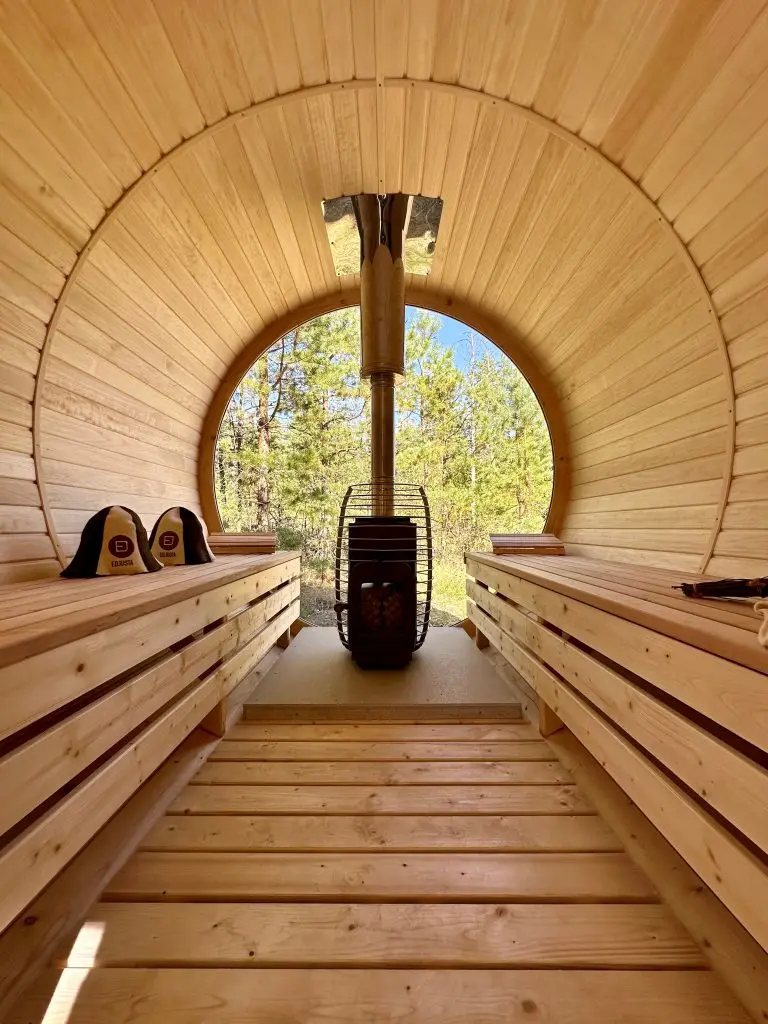
| Heater | Wood-burning stove and chimney shown |
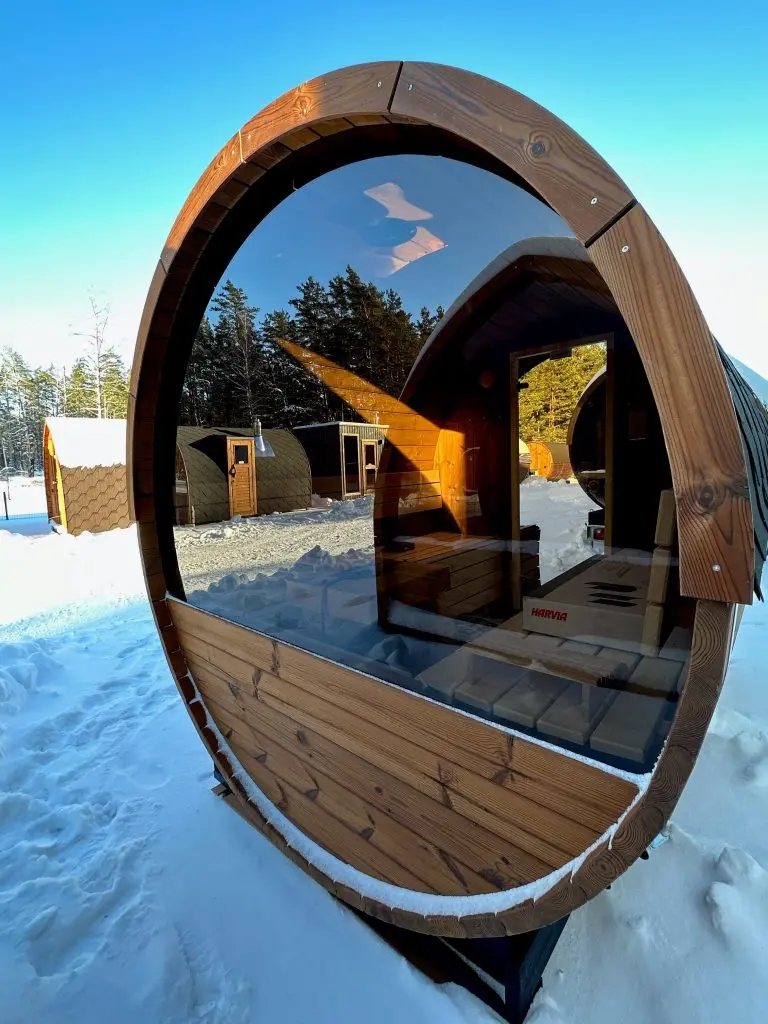
| Glass | Full circular glazing at one end; solid entrance door with narrow window at the other |
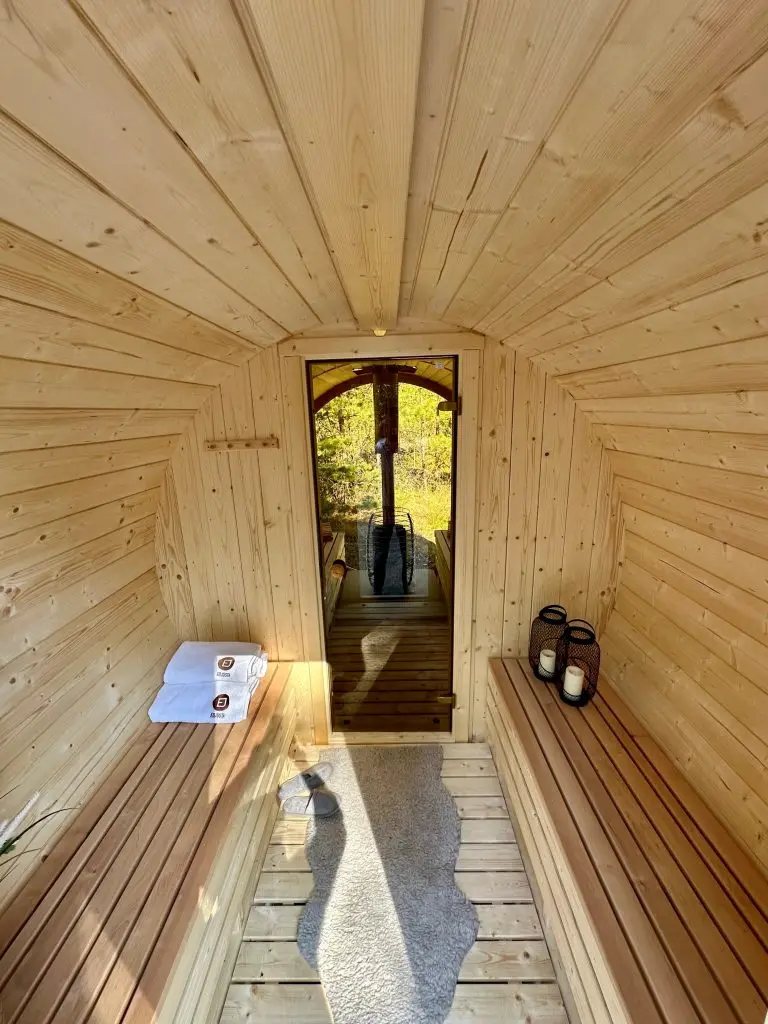
| Interior layout | Facing interior benches with exterior porch seating |
| MOQ | 1 set for sample ordering; repeat-order quantity and mixed-container planning are confirmed in the quotation |
Use CSA-56 as the visual model reference. Final size, bench layout, heater, glass, voltage, packing, and document route are locked after the approved drawing.
Product views
Send us this model code
CSA-56 | bennett@csauna.com | WhatsApp / Phone: +86 180 7047 6405
Buyer-file detail
CSA-56 production, packing, and RFQ checks
The design team checks these points before the drawing is locked. They decide whether the buyer receives a repeatable model or only a good-looking sample.
- compact barrel diameter
- shipping length
- bench fit
- heater size
- roof cover
CSA-56 should explain compact capacity honestly because smaller barrels can be oversold if bench length is not checked.
The buyer should confirm whether this model is for a backyard sample, dealer display, or repeat small-SKU program.
Compact shipping length and crate weight should be reviewed before a buyer compares it with larger barrels.
Material choice should be tied to price and maintenance: cedar for premium positioning, thermo wood for stability, pine for cost control.
Electric heater sizing should be checked after final barrel diameter, glass or door area, and destination climate are confirmed.
Wood-fired options should be quoted separately because chimney and shield parts can dominate a compact model’s technical scope.
Packing should protect curved boards, roof cover, door hardware, heater or stove package, manuals, labels, and small fasteners.
Factory photos should show compact side profile, bench length, door seal, heat side, roof edge, barrel bands, and packed labels.
The RFQ should include target capacity, destination climate, wood species, heat route, voltage or chimney need, and unloading access.
A dealer sample should freeze compact dimensions, roof color, hardware set, heater package, manual language, and carton marks.
Outdoor maintenance should include barrel band tightening, roof care, finish cleaning, door seal, and heater or stove inspection.
If the buyer wants a private-label small model, logo placement and carton marks should be confirmed before sample photography.
If the buyer asks for a lower price, the quote should specify which material, heater, or roof option changes.
The compact format should be sold as easier to place and ship, not as a full-size room substitute.
MOQ can start from one sample; repeat MOQ should wait until the exact compact size is approved.
CSA-56 should be a clear small-model reference for distributors building a mixed catalog.
The final file should keep size, material, heat route, packing, labels, and maintenance notes in one place.
Final buyer confirmation
For CSA-56, compact dimensions should be written plainly because buyers may use the model for a starter showroom or small backyard package.
The buyer should review crate size and unloading method early, since compact models are often purchased for easier handling.
If the buyer changes the roof, door, or heater package, CSauna should update the sample photos before using the model in a catalog.