Specifications and options for CSA-41
Use CSA-41 as the visual reference, then confirm capacity, size, heater voltage, wood finish, glass direction, MOQ, packing, and document needs before quotation.
| Model | CSA-41 |
|---|---|
| Type | Barrel sauna |
| Use setting | Outdoor |
| Capacity | Confirm by layout |
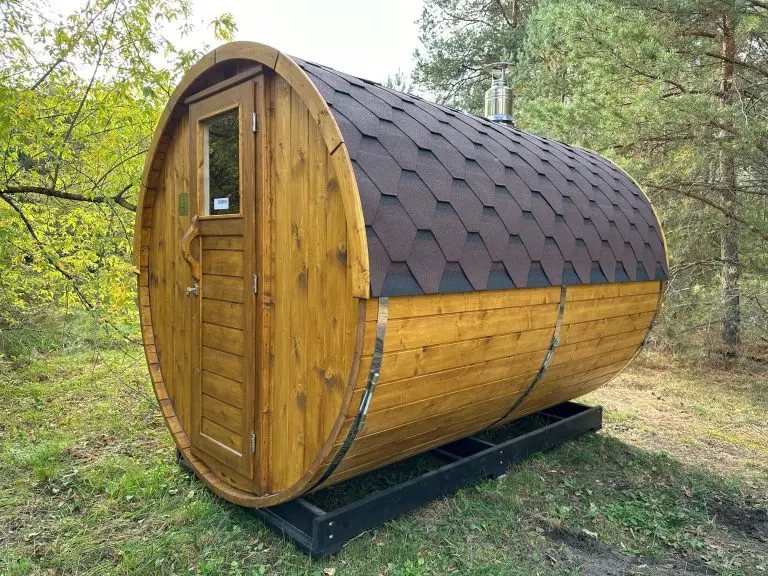
| Wood / finish | Cedar finish direction identified by the verified source listing; final wood species, grade, coating, and interior bench timber are confirmed in the approved order file |
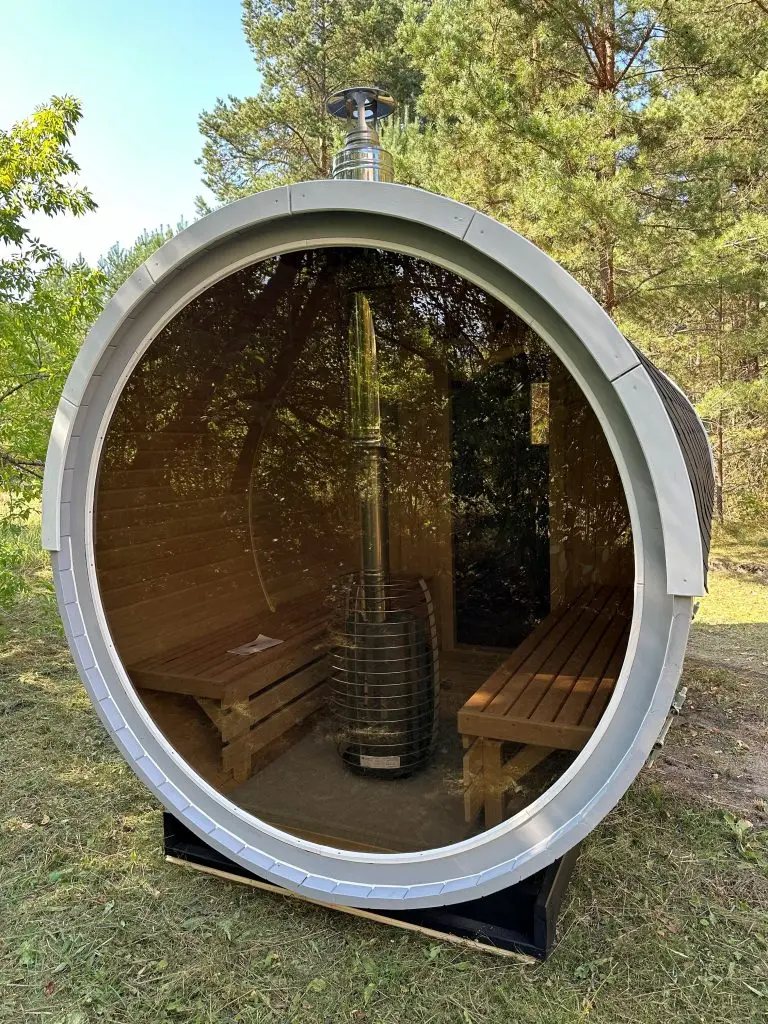
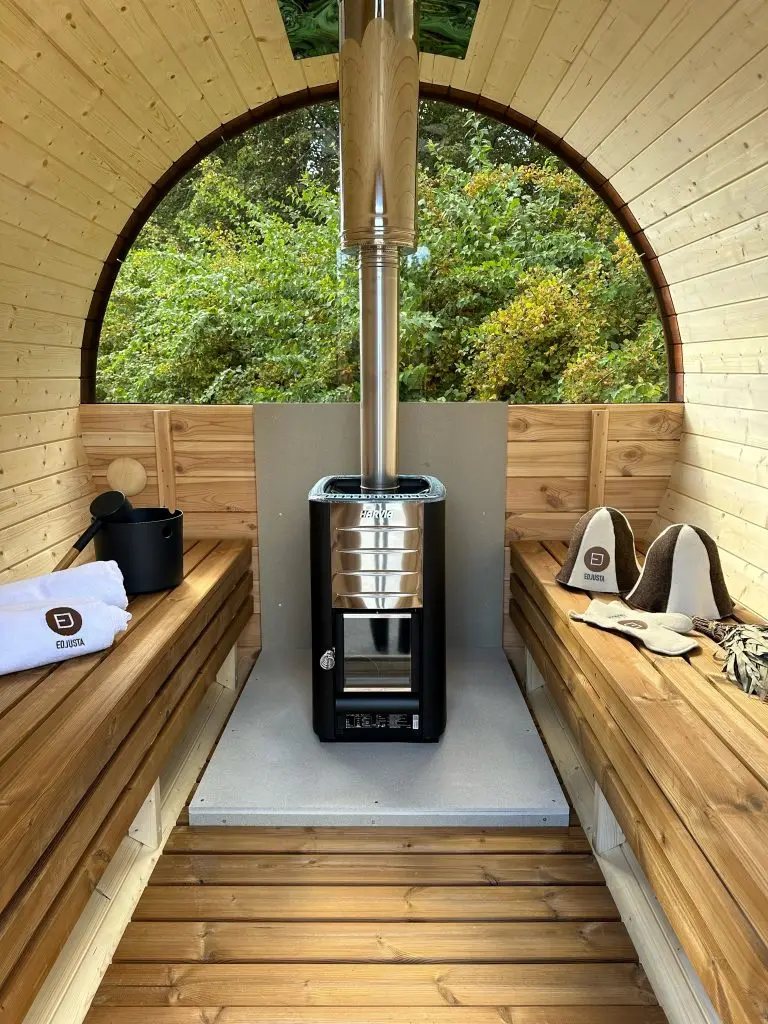
| Structure | Cylindrical barrel cabin with a shingle-clad curved roof |
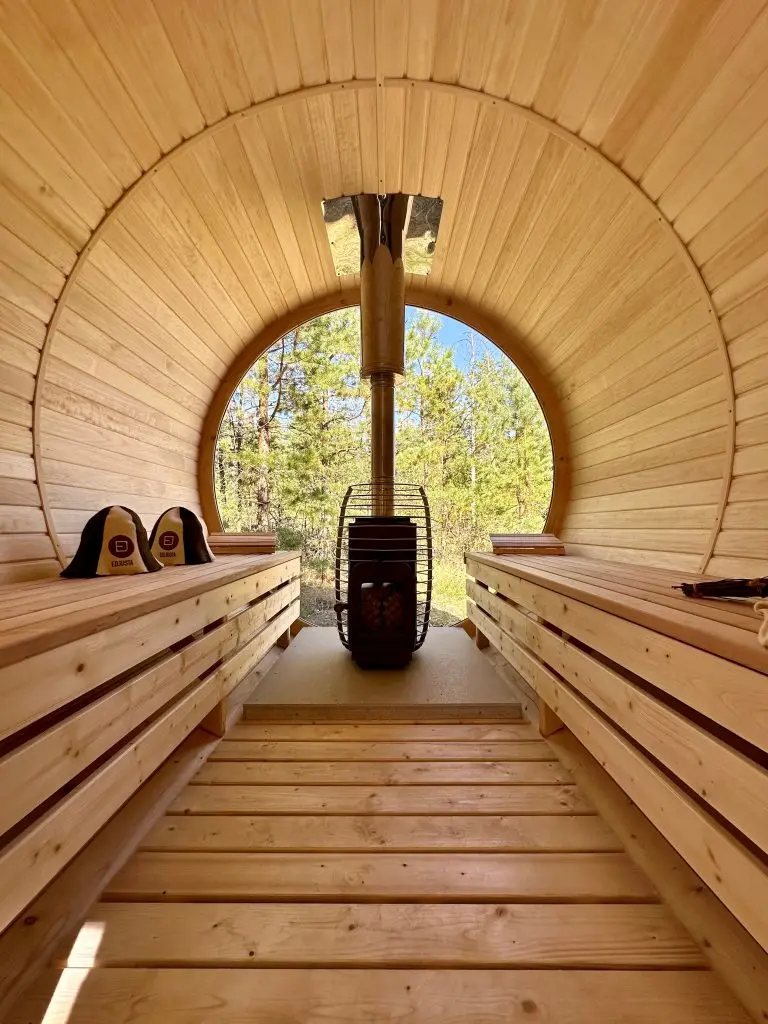
| Heater | Wood-burning stove and chimney shown |
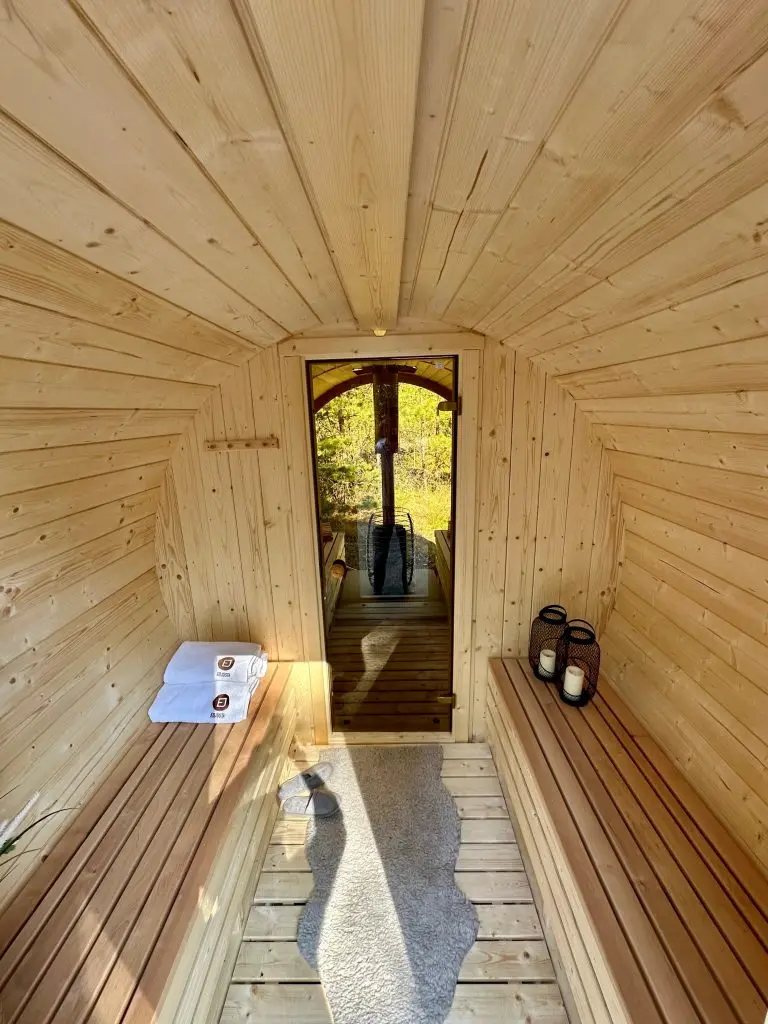
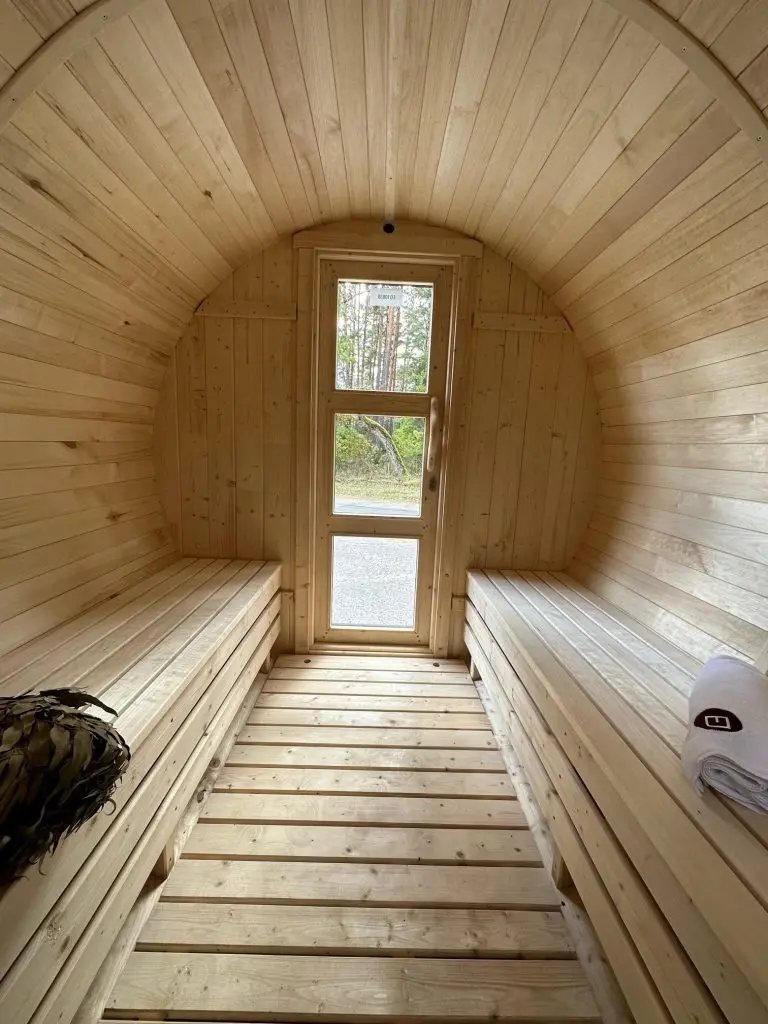
| Glass | Panoramic circular glazing at one end; solid entrance door with narrow window at the other |
| Interior layout | Facing full-length benches along both sides |
| MOQ | 1 set for sample ordering; repeat-order quantity and mixed-container planning are confirmed in the quotation |
Use CSA-41 as the visual model reference. Final size, bench layout, heater, glass, voltage, packing, and document route are locked after the approved drawing.
Product views
Send us this model code
CSA-41 | bennett@csauna.com | WhatsApp / Phone: +86 180 7047 6405
Buyer-file detail
CSA-41 production, packing, and RFQ checks
The design team checks these points before the drawing is locked. They decide whether the buyer receives a repeatable model or only a good-looking sample.
- stove position
- chimney route
- barrel bands
- roof shingle overlap
- ash-cleaning access
CSA-41 should not use a generic heater description because the wood-burning route changes safety, packing, and local installation responsibility.
The buyer should confirm whether the stove is supplied by CSauna or sourced locally before the quotation becomes a production file.
Chimney penetration and heat-shield spacing should be photographed before packing, since these are the most important after-sales proof points.
If the barrel is used in cold regions, roof shingle overlap and barrel band tightening should be part of the maintenance handoff.
A cedar route should keep material evidence available when the buyer pays for premium wood and needs documentation for dealer files.
A pine or thermo-pine route should include stronger coating and seasonal care notes rather than pretending it is the same as cedar.
Packing should separate stove body, chimney parts, heat shield, curved boards, roof cover, manual pack, warning labels, and small hardware.
The RFQ should include destination country, local stove rules, preferred wood, barrel diameter, roof color, unloading method, and spare-parts expectation.
A resort buyer may also need spare chimney parts, spare handles, and operator cleaning notes with the first shipment.
CSA-41 should prove that the wood-fired barrel can be produced, installed, and serviced cleanly, not only that the barrel shape looks Nordic.
For repeat orders, freeze the stove supplier, chimney kit, warning label, roof cover, barrel band style, and carton mark before listing the SKU.
Factory photos should include exterior, bench, stove side, chimney kit, roof edge, barrel band, packed labels, and accessory cartons.
Buyer-file detail
CSA-41 additional production checks
CSA-41 should include a stove-side inspection photo set that shows the heat shield, flue parts, bench clearance, and ash-cleaning path before packing.
The buyer should not approve this barrel from the exterior view alone because the wood-burning package changes installation and after-sales risk.
For snowy regions, the roof shingle edge and barrel base should be discussed together because snow load and meltwater affect service life.
If a distributor orders a sample, the first unit should include an extra hardware list for chimney clamps, screws, handles, labels, and spare seals.
Manual language should clearly state that local stove installation and code compliance are checked by the destination installer.
The carton label should separate sauna shell, stove carton, chimney parts, roof cover, and fastener pack so the buyer can audit arrival.
A maintenance file should ask the dealer to inspect barrel bands after the first heat cycles and after seasonal humidity changes.
The final quotation should not hide stove, chimney, heat shield, and roof upgrades inside one bundled accessory line.