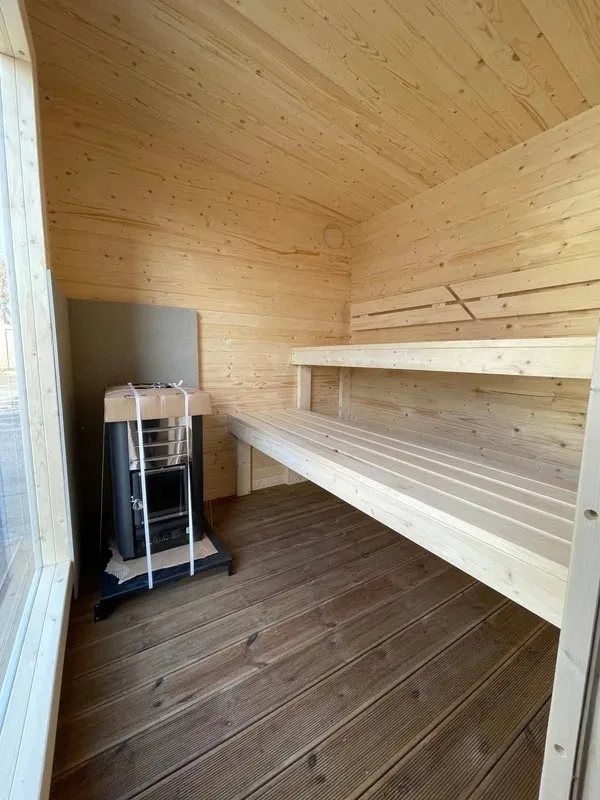
Specifications and options for CSA-40
Use CSA-40 as the visual reference, then confirm capacity, size, heater voltage, wood finish, glass direction, MOQ, packing, and document needs before quotation.
| Model | CSA-40 |
|---|---|
| Type | Outdoor sauna cabin |
| Use setting | Outdoor |
| Capacity | 4-6 person |
| Wood / finish | Project wood species options |
| Heater | Heater selected for destination market |
| Glass | Door and glass layout matched to model |
Use CSA-40 as the visual model reference. Final size, bench layout, heater, glass, voltage, packing, and document route are locked after the approved drawing.
Product views
Send us this model code
CSA-40 | bennett@csauna.com | WhatsApp / Phone: +86 180 7047 6405
Buyer-file detail
CSA-40 production, packing, and RFQ checks
The design team checks these points before the drawing is locked. They decide whether the buyer receives a repeatable model or only a good-looking sample.
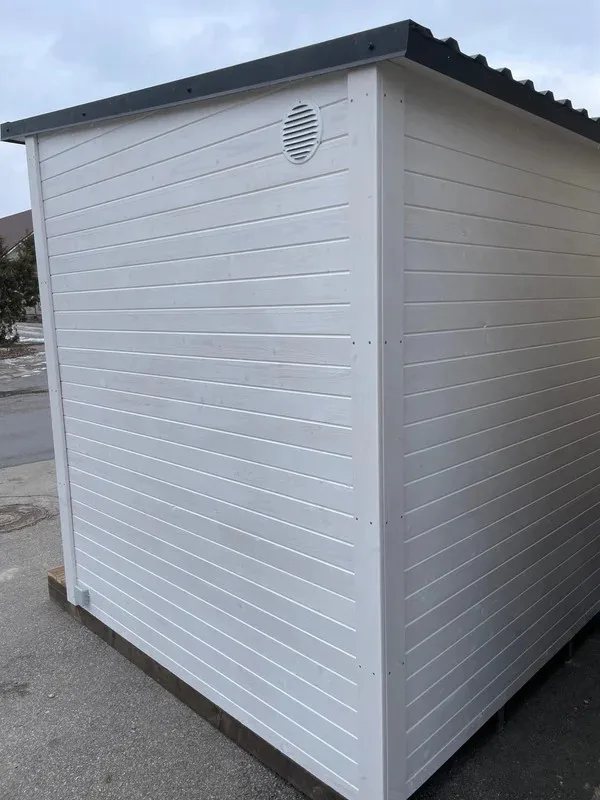
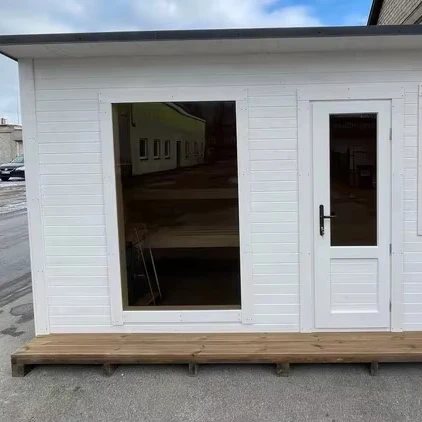
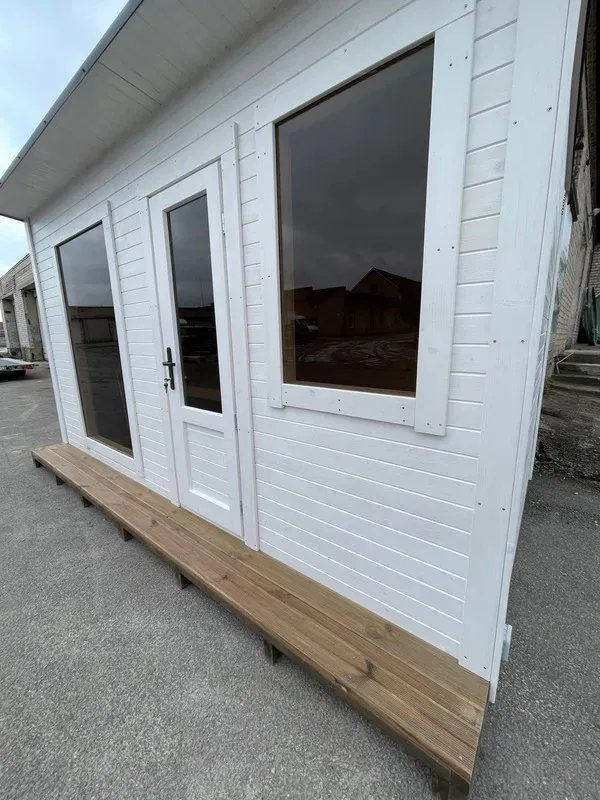
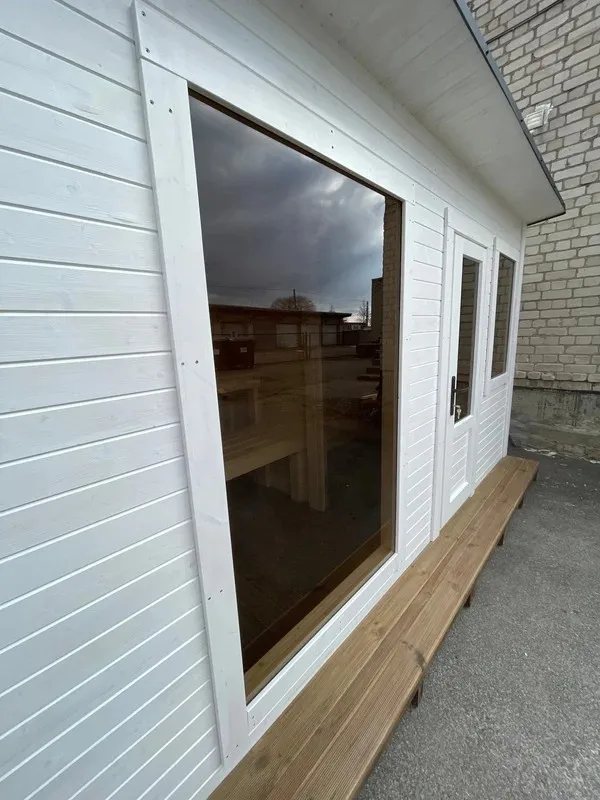
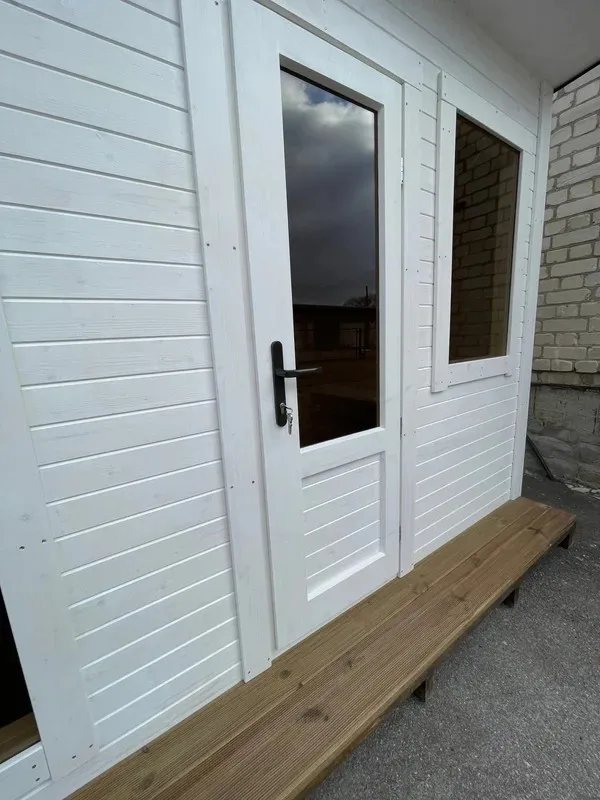
- white exterior tone
- cabin-style roof
- door hardware
- heater side
- cleaning plan
CSA-40 should clarify whether the white look is paint, coating, composite-facing, or another finish route.
White exterior cabins need clear maintenance notes because dirt, transport marks, and scratches are visible.
The buyer should approve front and side photos before using the model as a catalog reference.
Cabin-style roof parts should be checked for runoff, trim alignment, and packing protection.
Interior wood tone should be selected separately from the white exterior so buyers understand what they touch inside.
Electric heater route should name kW, voltage, controller, sensor, stones, guard, manuals, labels, and certificate request.
Packing should protect white panels, roof trim, door hardware, heater carton, manuals, labels, and spare hardware bags.
Factory photos should show white finish close-up, roof edge, heater label, bench, door hardware, and carton marks.
MOQ can start from one sample, while repeat MOQ should wait until finish, roof, heater, label, and packaging files are confirmed.
The RFQ should include destination climate, voltage, white-finish tolerance, cleaning expectation, and private-label needs.
Buyer-file detail
CSA-40 additional production checks
CSA-40 needs a white-finish route note because paint, coating, composite-facing, and light stain create different maintenance expectations.
The buyer should approve front and side photos before the model is used as a catalog reference or dealer sample.
Cabin-style roof parts should be checked for runoff, trim alignment, wind exposure, and packing protection.
Interior wood tone should be confirmed separately because the outside is white but users still judge the wood surface inside.
Electric heater route should include kW, voltage, controller, sensor, stones, guard, manuals, labels, and destination certificate request.
For outdoor placement, base clearance, roof edge, door hardware, seal, and cleaning plan should be visible in the buyer file.
White panels should be protected from straps, metal hardware, glass edges, and dirty carton surfaces during loading.
Factory photos should show white finish close-up, roof edge, heater label, bench, door hardware, and final carton marks.
The RFQ should include destination climate, voltage, finish tolerance, cleaning expectation, private-label needs, and unloading route.
If the buyer wants a premium version, material and finish should be compared with cedar, thermo wood, hemlock, or pine options.
MOQ can start from one sample, but repeat orders should freeze finish, roof, heater, label, and packaging files.
CSA-40 should act as a clean white cabin reference with clear material, electrical, packing, and maintenance notes.