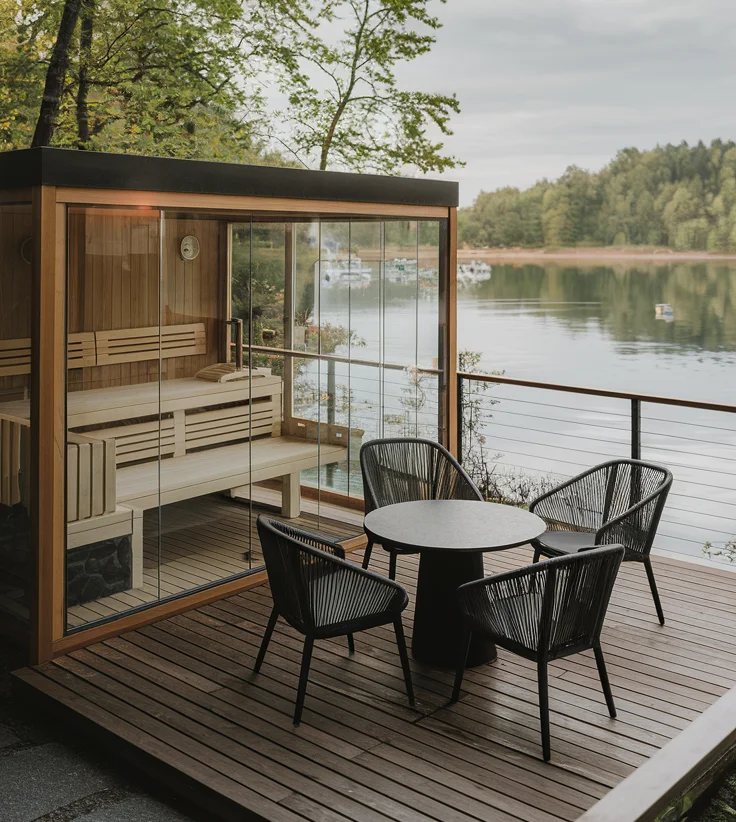
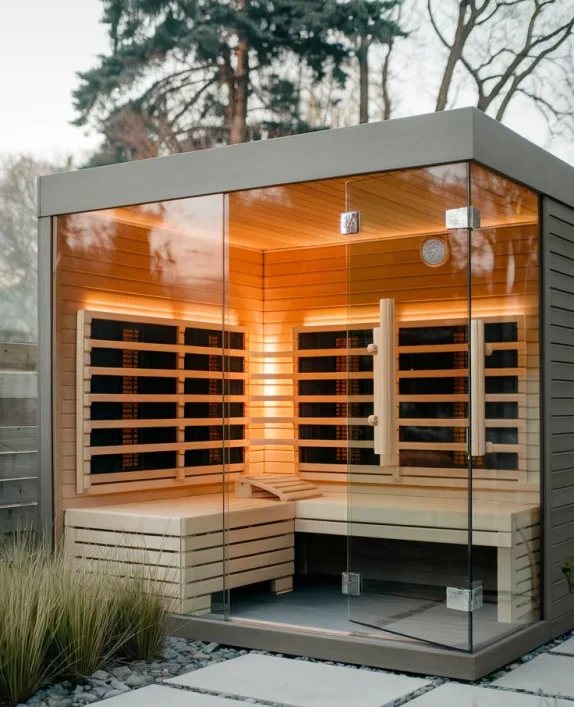
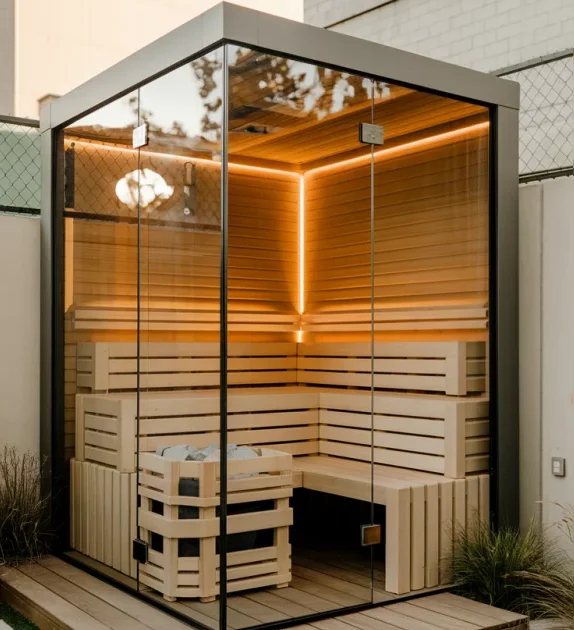
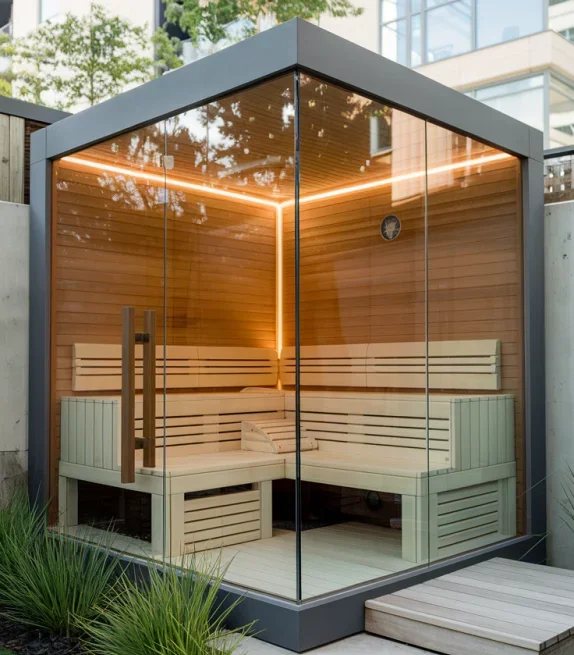
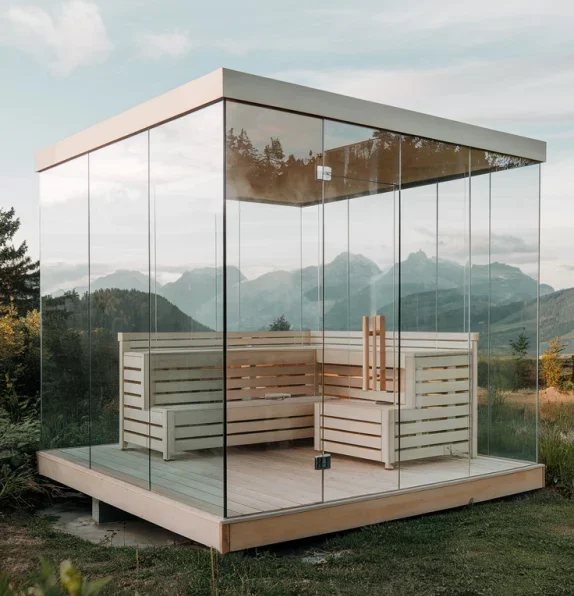
Specifications and options for CSA-63
Use CSA-63 as the visual reference, then confirm capacity, size, heater voltage, wood finish, glass direction, MOQ, packing, and document needs before quotation.
| Model | CSA-63 |
|---|---|
| Type | Outdoor sauna cabin |
| Use setting | Outdoor |
| Capacity | Confirm by layout |
| Wood / finish | Project wood species options |
| Heater | Electric heater option |
| Glass | Door and glass layout matched to model |
Use CSA-63 as the visual model reference. Final size, bench layout, heater, glass, voltage, packing, and document route are locked after the approved drawing.
Product views
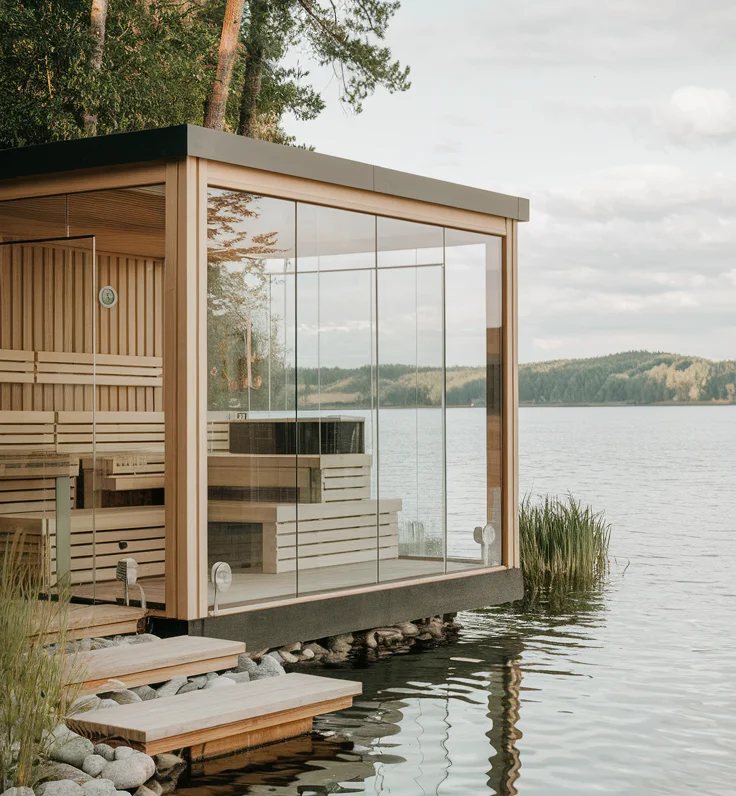
Send us this model code
CSA-63 | bennett@csauna.com | WhatsApp / Phone: +86 180 7047 6405
Buyer-file detail
CSA-63 production, packing, and RFQ checks
The design team checks these items before the drawing is locked. They decide whether the buyer receives a repeatable sauna model or only a good-looking sample.
- steam or dry heat choice
- drainage route
- controller location
- glass condensation
- ventilation path
- service panel
CSA-63 should start with a heat-mode decision because buyers often use the word steam when they may actually need a dry sauna heater.
If the order is for a villa, the finish sample should match nearby exterior materials, garden paving, lighting temperature, and maintenance expectations.
For a wet or steam route, the floor slope, drain outlet, waterproof layer, door seal, and ventilation path should be checked before production begins.
For a dry sauna route, the quotation should focus on heater kW, stone capacity, sensor position, controller style, bench clearance, and air circulation.
The glass area affects warm-up speed, privacy, cleaning, packaging risk, and landed cost, so it should not be left as a decorative choice.
MOQ can begin with one sample, but repeat production should wait until the buyer signs off on heat mode, floor detail, trim color, and electrical file.
Packing should keep glass, exterior panels, benches, heat equipment, control parts, waterproof trim, labels, and manuals traceable by carton.
The RFQ should include whether the buyer expects steam, dry heat, infrared support, or a mixed wellness room so CSauna can price the correct package.
Final buyer confirmation
CSA-63 should force the buyer to choose dry sauna, wet-use upgrade, or steam-style project before price is compared with other villa cabins.
If the buyer expects a wet area, CSauna should confirm floor slope, drainage, door seal, waterproof trim, and ventilation before locking the drawing.
If the buyer expects a dry sauna, heater kW, stone capacity, air intake, exhaust, and sensor position should be the main technical checks.
Garden villa projects often care about exterior color and glass privacy, so those items should be confirmed with the same seriousness as heater selection.
A controller placed outside the room should be checked for weather exposure, cable route, user height, and service access.
The RFQ should separate steam-related accessories from normal sauna heater accessories so the quotation does not mix two different systems.
Packing should identify waterproof trim, glass, heater or steam equipment, bench boards, manuals, and labels as separate package groups.
The buyer file should include one photo set for exterior appearance and another photo set for heat equipment, because both influence approval.