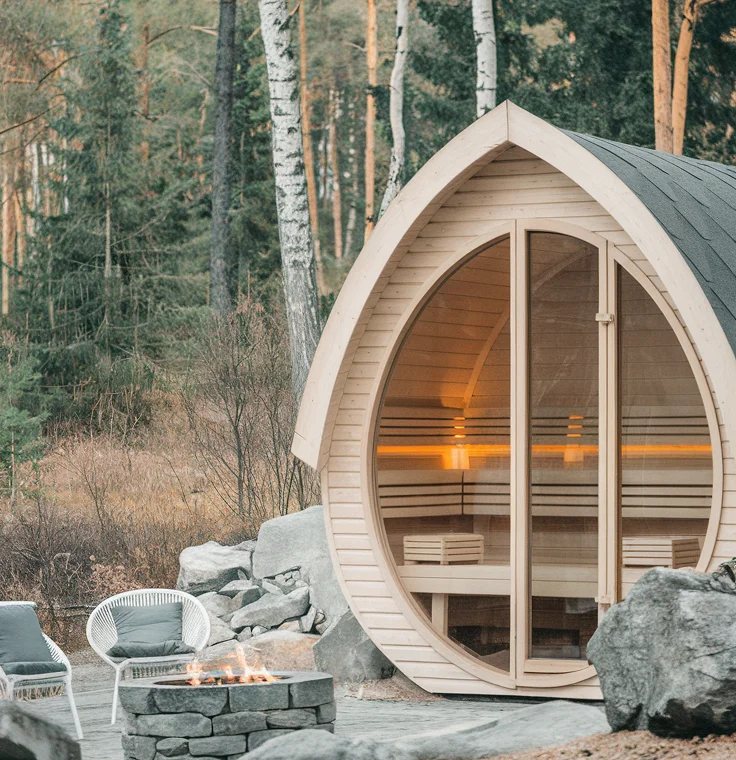
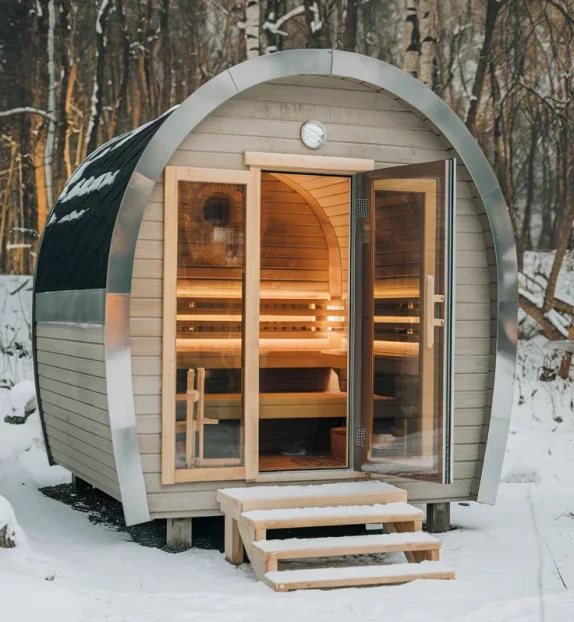
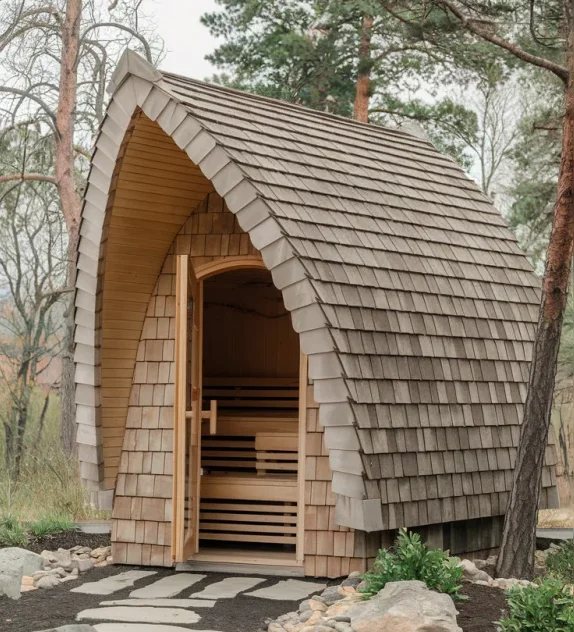
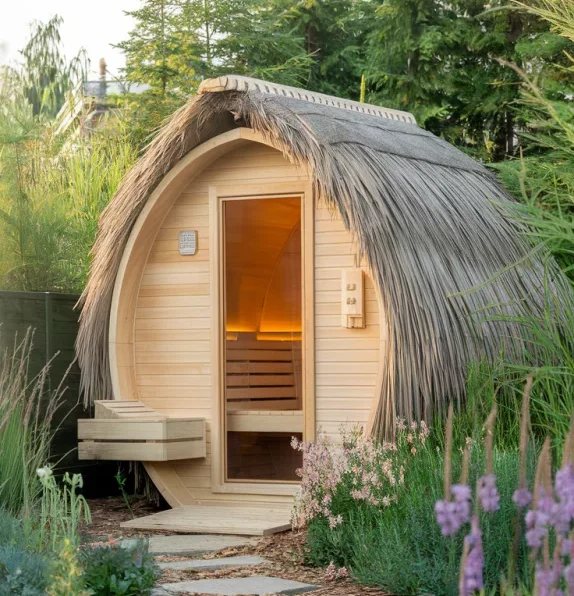
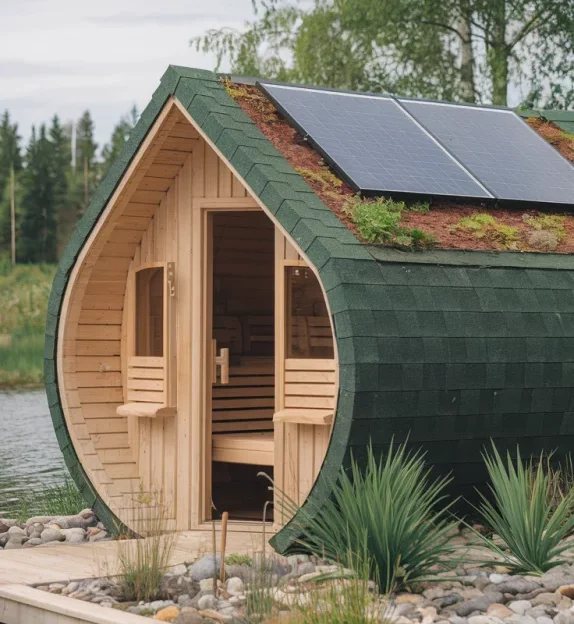
Specifications and options for CSA-53
Use CSA-53 as the visual reference, then confirm capacity, size, heater voltage, wood finish, glass direction, MOQ, packing, and document needs before quotation.
| Model | CSA-53 |
|---|---|
| Type | Outdoor sauna cabin |
| Use setting | Outdoor |
| Capacity | Confirm by layout |
| Wood / finish | Solid wood construction; species and finish confirmed from project requirements |
| Heater | Electric heater option |
| Glass | Door and glass layout matched to model |
Use CSA-53 as the visual model reference. Final size, bench layout, heater, glass, voltage, packing, and document route are locked after the approved drawing.
Product views
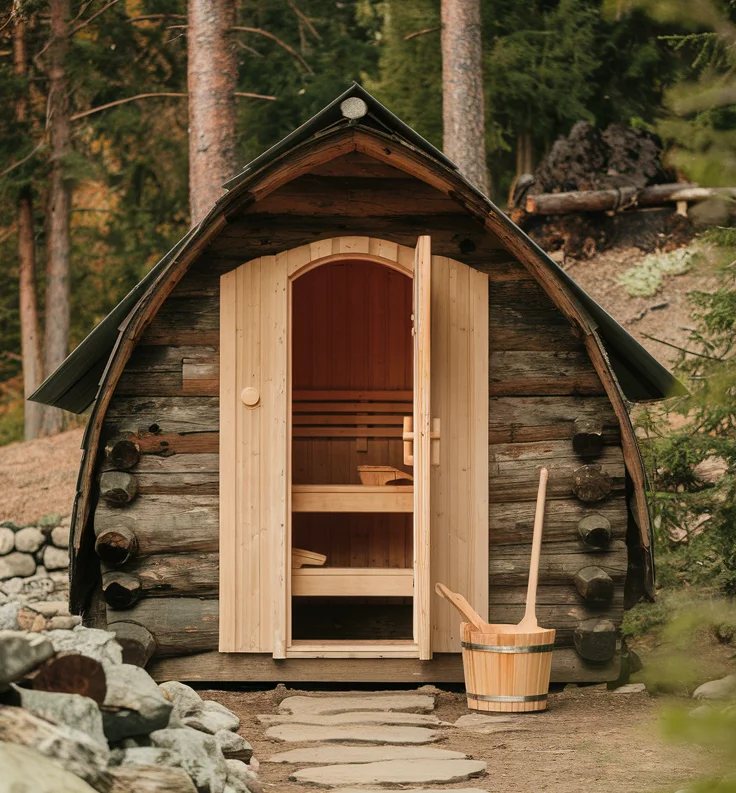
Send us this model code
CSA-53 | bennett@csauna.com | WhatsApp / Phone: +86 180 7047 6405
Buyer-file detail
CSA-53 production, packing, and RFQ checks
The design team checks these points before the drawing is locked. They decide whether the buyer receives a repeatable model or only a good-looking sample.
- 6kW heater file
- room volume
- voltage market
- door seal
- ventilation route
CSA-53 should treat 6kW as a heater-planning starting point, not a universal promise for every climate or glass layout.
The buyer should confirm final room volume before the heater package is locked, especially for cold or high-glass projects.
For Europe and Southeast Asia, the order file should show 220-240 V or 380-415 V planning as required by the heater package.
For North America, the buyer file should state 240 V planning and local electrician responsibility before shipment.
Controller type, sensor route, heater stones, heater guard, manuals, labels, and certificate requests should stay together.
Solid wood selection should be discussed before price because cedar, hemlock, pine, spruce, and thermo wood carry different care needs.
Outdoor placement should include roof runoff, base clearance, door seal, ventilation opening, and exterior coating maintenance.
Packing should separate heater carton, stones, controller, wall panels, bench boards, roof parts, labels, manuals, and hardware.
Factory photos should show heater label, controller, bench side, ventilation, roof edge, exterior finish, and packed cartons.
The RFQ should include destination climate, voltage market, user count, glass area, wood preference, certificate needs, and sample quantity.
If the buyer needs faster heat-up, heater power may need to change after final dimensions and insulation are reviewed.
If a local heater is supplied, CSauna should still record clearance and ventilation expectations in the drawing.
A dealer sample should freeze the heater model, manual language, label file, roof color, and accessory pack.
Maintenance notes should include heater stone inspection, controller check, ventilation cleaning, door-seal review, and wood-surface care.
MOQ can start from one sample, while repeat MOQ should wait until heater, wood, finish, label, and packing files are stable.
The title should not make the buyer ignore material and packing details; the heater is only one part of the order.
CSA-53 should help buyers compare electrical readiness, not just cabin appearance.
The final handoff should let sales, design, production, packing, and after-sales teams use the same heater record.
Final buyer confirmation
For CSA-53, the 6kW label should be verified against the actual heater nameplate before the product is photographed for shipment evidence.
The buyer should confirm whether the heater route is optimized for lower cost, faster heat-up, stronger certification evidence, or easier local service.
If the final room receives more glass or a colder climate target, the heater plan should be reviewed before the quote is treated as fixed.