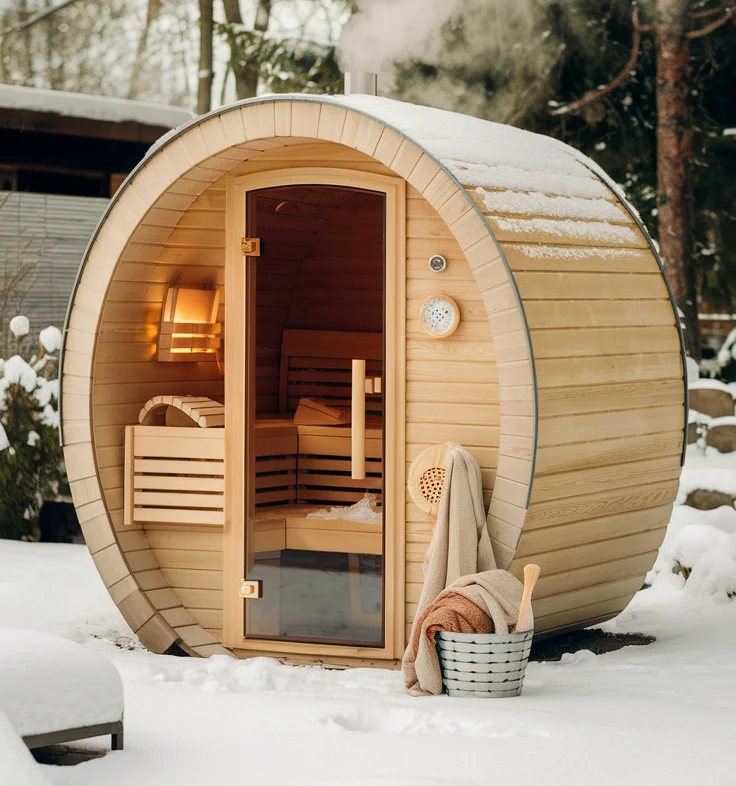
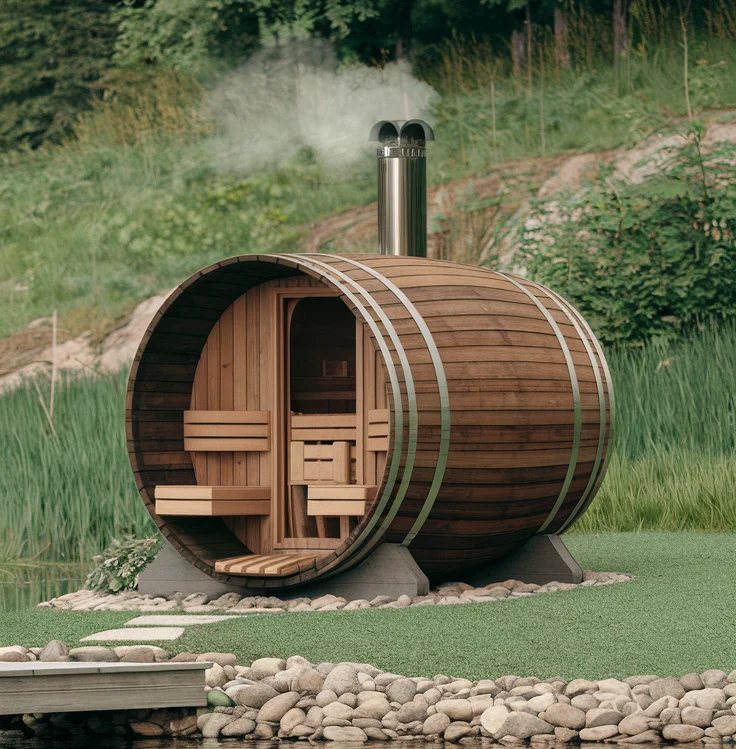
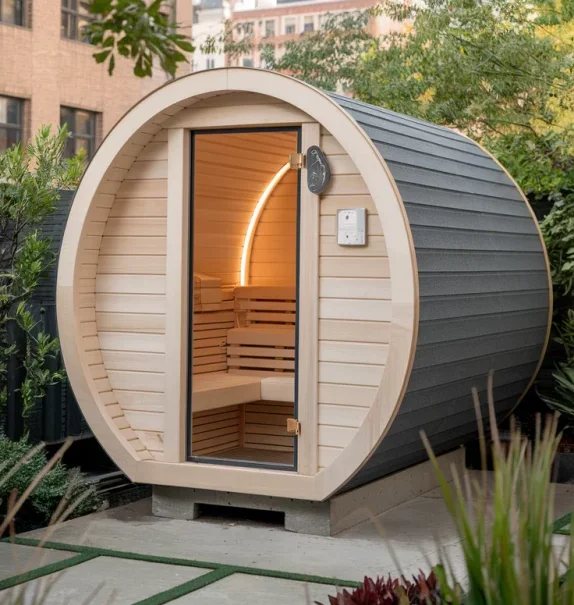
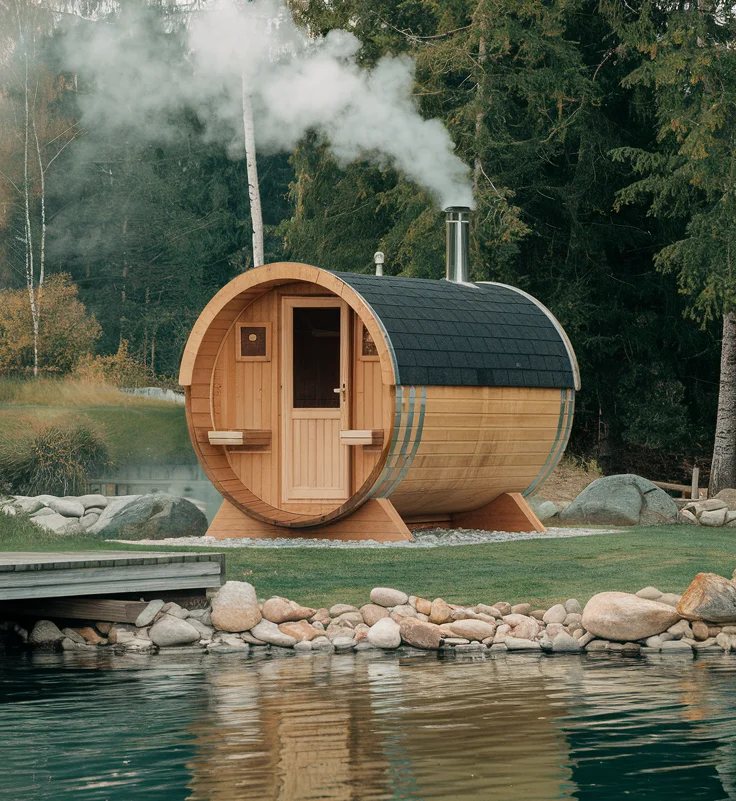
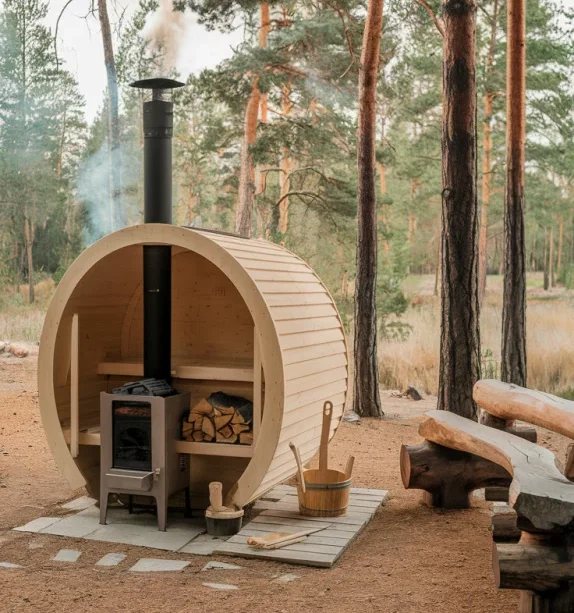
Specifications and options for CSA-54
Use CSA-54 as the visual reference, then confirm capacity, size, heater voltage, wood finish, glass direction, MOQ, packing, and document needs before quotation.
| Model | CSA-54 |
|---|---|
| Type | Barrel sauna |
| Use setting | Outdoor |
| Capacity | Confirm by layout |
| Wood / finish | Solid wood construction; species and finish confirmed from project requirements |
| Heater | Electric heater option |
| Glass | Door and glass layout matched to model |
Use CSA-54 as the visual model reference. Final size, bench layout, heater, glass, voltage, packing, and document route are locked after the approved drawing.
Product views
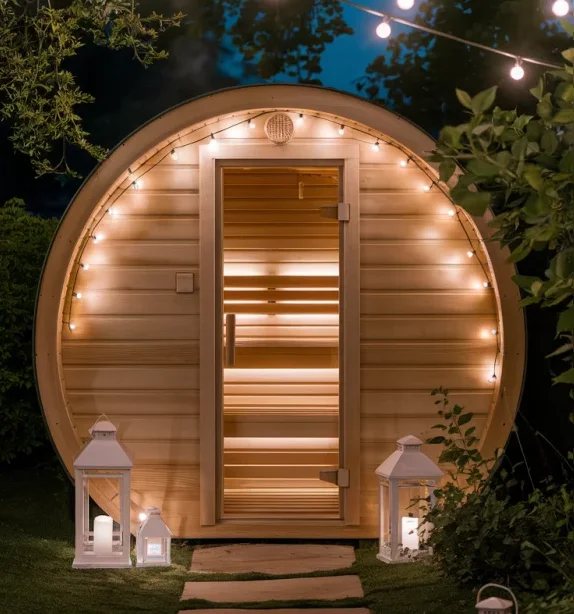
Send us this model code
CSA-54 | bennett@csauna.com | WhatsApp / Phone: +86 180 7047 6405
Buyer-file detail
CSA-54 production, packing, and RFQ checks
The design team checks these points before the drawing is locked. They decide whether the buyer receives a repeatable model or only a good-looking sample.
- round barrel diameter
- solid wood boards
- barrel bands
- bench comfort
- roof shingle edge
CSA-54 should identify barrel diameter and usable bench length because those details decide real capacity more than the title.
Solid wood wording should be tied to the selected species, not left as a broad claim with no material route.
The buyer should choose cedar, hemlock, pine, spruce, or thermo wood before comparing FOB price.
Electric heat should include kW, voltage, controller, stones, guard, labels, manuals, and destination certificate requests.
Wood-fired heat should include stove, chimney, shield, flue, warning labels, and local installer responsibility as a separate package.
Barrel band tension should be checked before shipment and again after the first heat and humidity cycles.
Roof cover should be selected for destination climate, especially snow, rain, coastal humidity, or strong sun exposure.
Packing should protect curved boards, end walls, roof material, heater or stove carton, manuals, labels, and small hardware.
Factory photos should show exterior round shape, bench, heat side, roof edge, barrel bands, end-wall seal, and packed labels.
The RFQ should include barrel diameter, target capacity, wood species, heat route, voltage or chimney route, and unloading access.
A dealer sample should freeze barrel band type, roof cover, bench layout, heat package, manual language, and carton labels.
Outdoor maintenance should mention band tightening, roof care, wood-surface cleaning, door seal, and heat-system checks.
If the buyer uses this for a resort, spare handles and spare seals should be considered with the first order.
If the buyer asks for a lower-cost model, material substitutions should be written clearly in the quote.
MOQ can start from one sample, but repeat orders should only start after material and heat route are fixed.
CSA-54 should be easy for a buyer to reference in RFQ, drawing, inspection, and packing discussions.
The final order file should keep barrel structure, material, heater, packing, labels, and certificate notes connected.
Final buyer confirmation
For CSA-54, the round barrel should include a final diameter and crate-length note so buyers can plan unloading and backyard access accurately.
The order file should include a board-count or package-group note when the buyer needs easier installation handoff after container arrival.
If the buyer selects a lower-cost wood, the quotation should still preserve roof, band, door, and heater details so the model does not become vague.