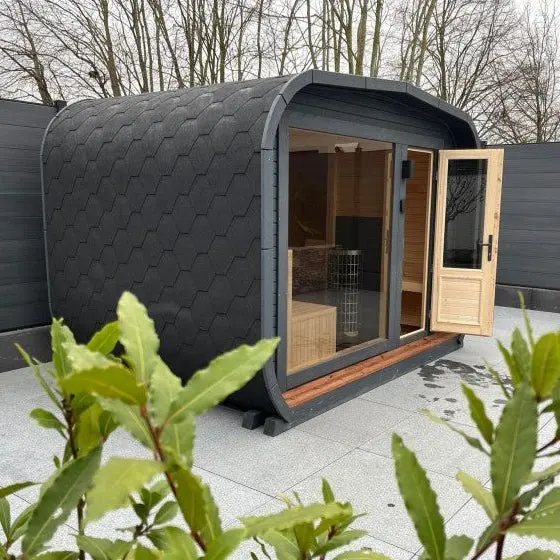
Specifications and options for CSA-47
Use CSA-47 as the visual reference, then confirm capacity, size, heater voltage, wood finish, glass direction, MOQ, packing, and document needs before quotation.
| Model | CSA-47 |
|---|---|
| Type | Outdoor sauna cabin |
| Use setting | Outdoor |
| Capacity | Confirm by layout |
| Wood / finish | Weatherproof grey wooden exterior direction identified by the verified source listing; final wood species, coating system, and interior bench timber are confirmed in the approved order file |
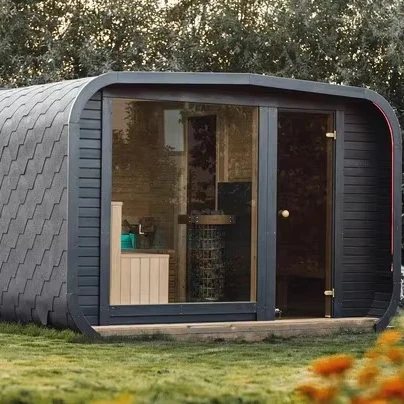
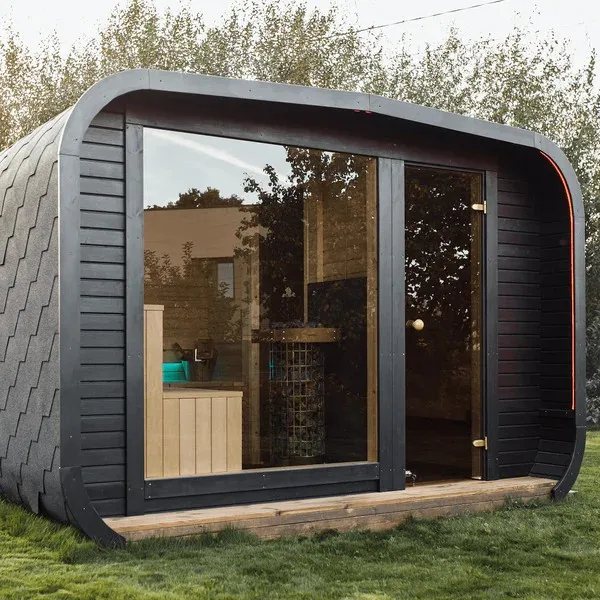
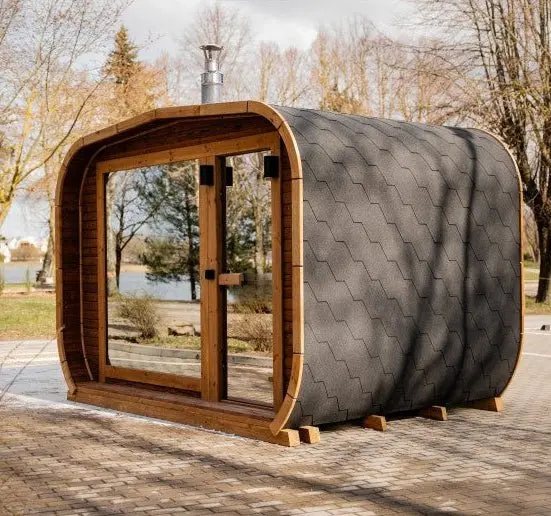
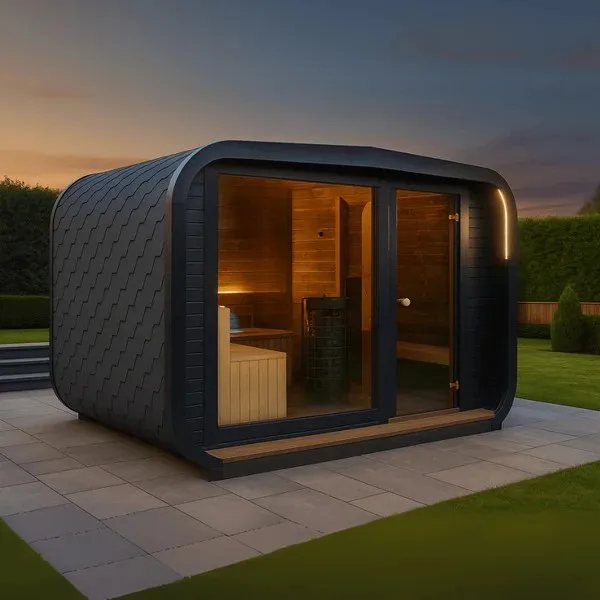
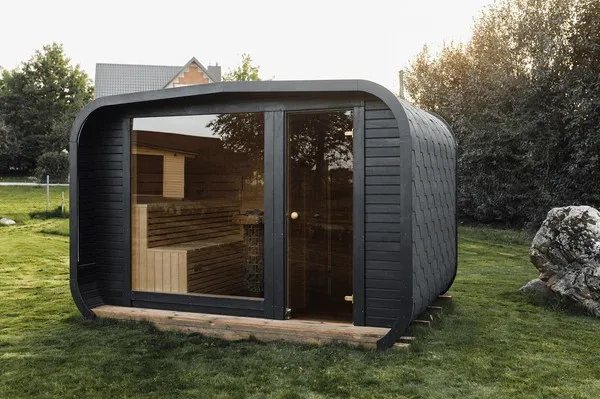
| Structure | Rounded rectangular shell with dark shingle cladding |
| Heater | Wood-burning stove and chimney shown |
| Glass | Large glazed front with a side-hinged glass door |
| Interior layout | Timber bench layout with integrated interior lighting |
| MOQ | 1 set for sample ordering; repeat-order quantity and mixed-container planning are confirmed in the quotation |
Use CSA-47 as the visual model reference. Final size, bench layout, heater, glass, voltage, packing, and document route are locked after the approved drawing.
Product views
Send us this model code
CSA-47 | bennett@csauna.com | WhatsApp / Phone: +86 180 7047 6405
Buyer-file detail
CSA-47 production, packing, and RFQ checks
The design team checks these points before the drawing is locked. They decide whether the buyer receives a repeatable model or only a good-looking sample.
- curved frame
- large glass front
- view direction
- heater sizing
- glass crate
CSA-47 should identify the view direction first because the large glass front is the main project value.
Curved frame accuracy should be photographed before packing because small alignment issues are more visible on this style.
The buyer should approve clear, tinted, or reduced glass before comparing price with a standard cabin.
Large glass may increase heat demand, so heater sizing should follow final dimensions, glass area, insulation, and climate.
Voltage planning should name 220-240 V, 380-415 V, or 240 V route according to destination and heater package.
Replacement-glass lead time, spare seals, and spare handles matter more for resorts and remote project sites.
Packing should protect glass crate, curved frame pieces, roof trim, heater carton, manuals, labels, and visible finish surfaces.
Factory photos should include front glass, curved side, bench, heater label, roof edge, glass crate, and loading marks.
The RFQ should include view side, destination climate, voltage, glass preference, unloading method, and project opening schedule.
A dealer sample should freeze curve radius, finish tone, glass supplier, heater route, and carton labels before repeat orders.
CSA-47 should read like a project-ready curved glass model, not a generic modern sauna picture.
The buyer handoff should keep design, heat, glass, packing, and certificate notes in one record.
Buyer-file detail
CSA-47 additional production checks
CSA-47 should include a project-orientation note because the large glass front should face the view, not simply the easiest installation side.
The buyer should approve glass size, tint, frame color, and replacement-glass route before the quotation is treated as final.
Curved frame pieces should be labeled carefully because left/right confusion can create site assembly delays.
For resorts, spare seals and spare handles should be considered with the first order because glass-front cabins face higher service visibility.
Heater sizing should be checked again if the buyer increases glass area, changes insulation route, or places the cabin in a cold climate.
Packing should keep glass crate, curved frame, roof trim, heater carton, manuals, and accessory bags visibly separated.
A site handoff should ask for unloading method, installation platform, power route, and service access before production starts.
CSA-47 should show CSauna’s design capability while still giving buyers enough practical data to request a quote.