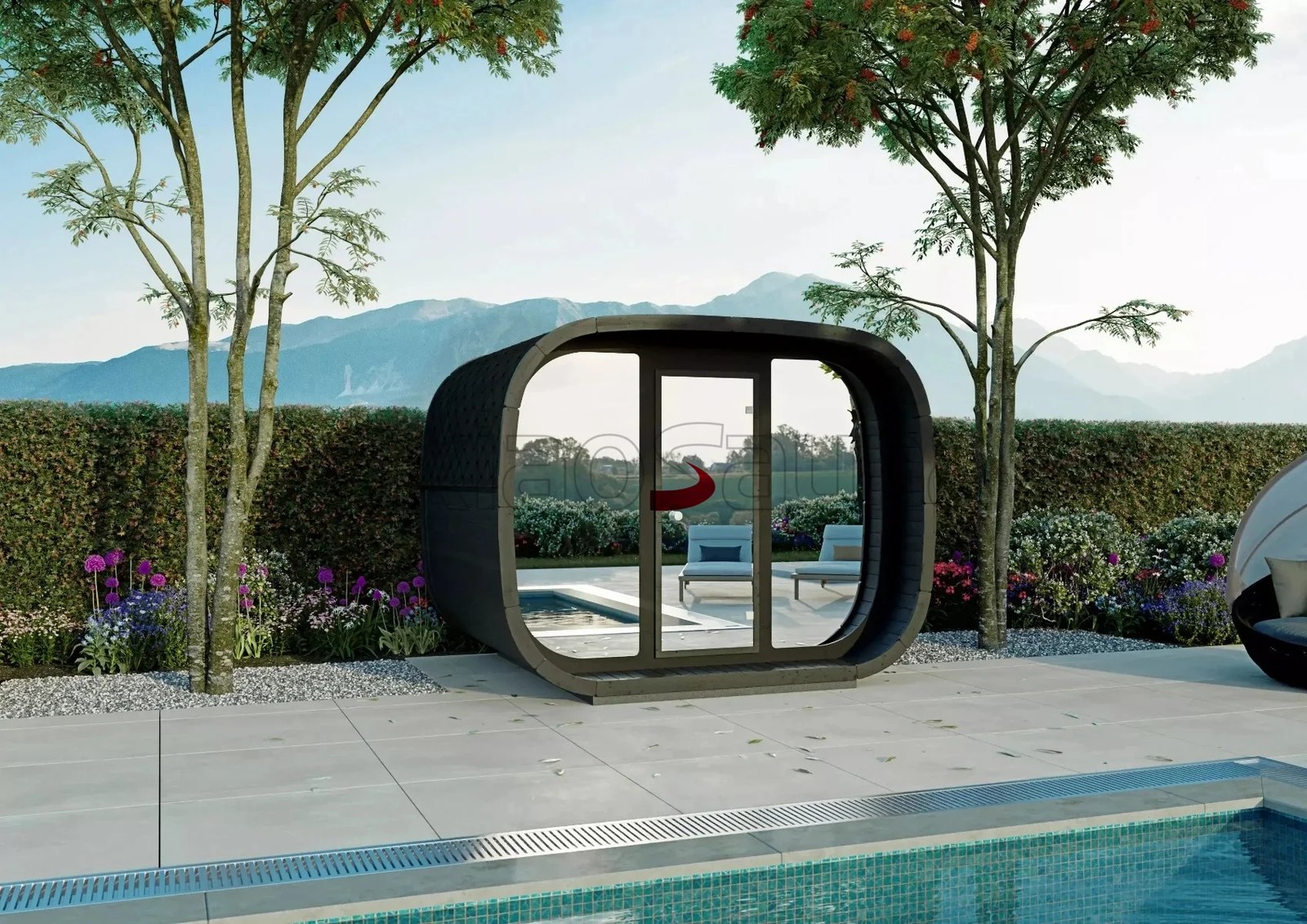
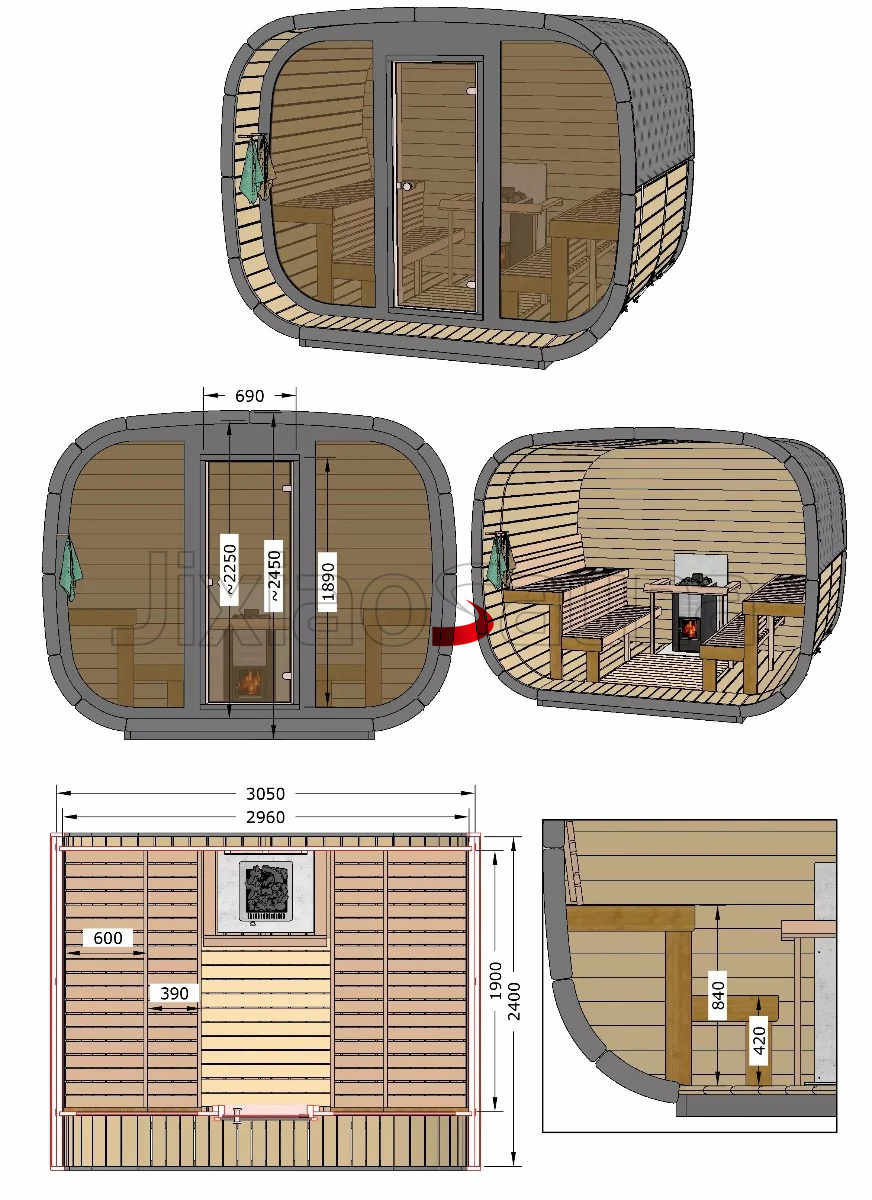
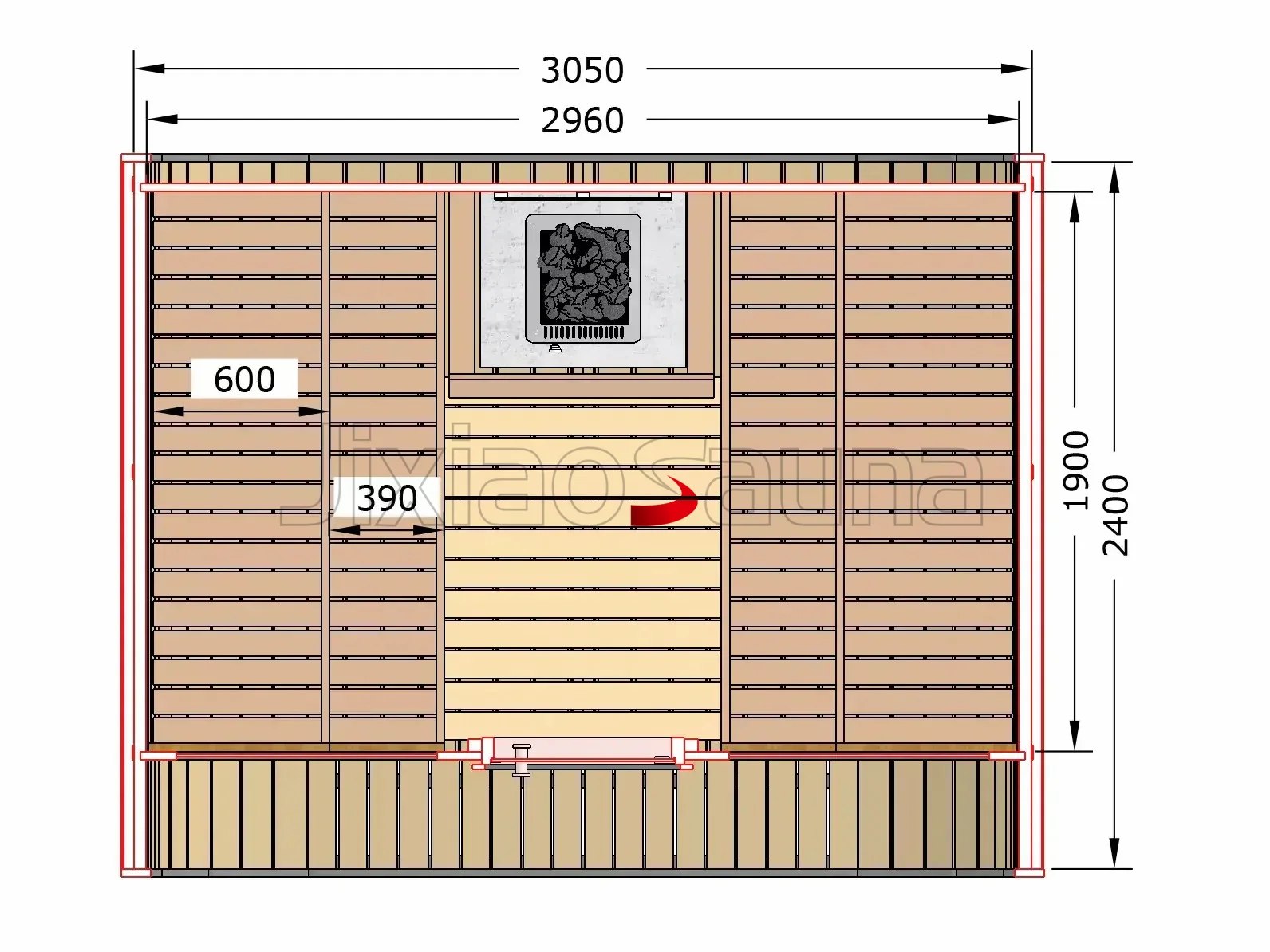
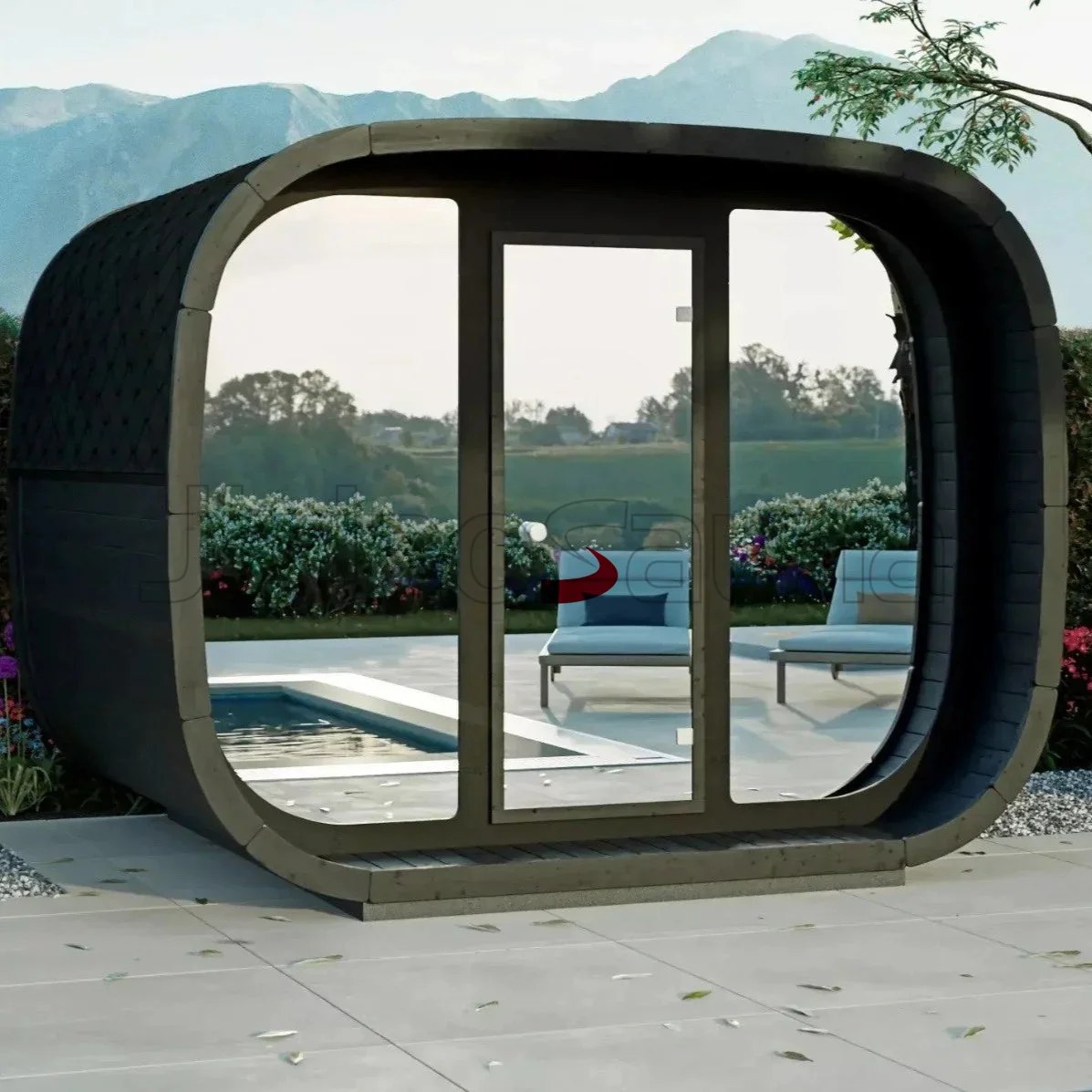
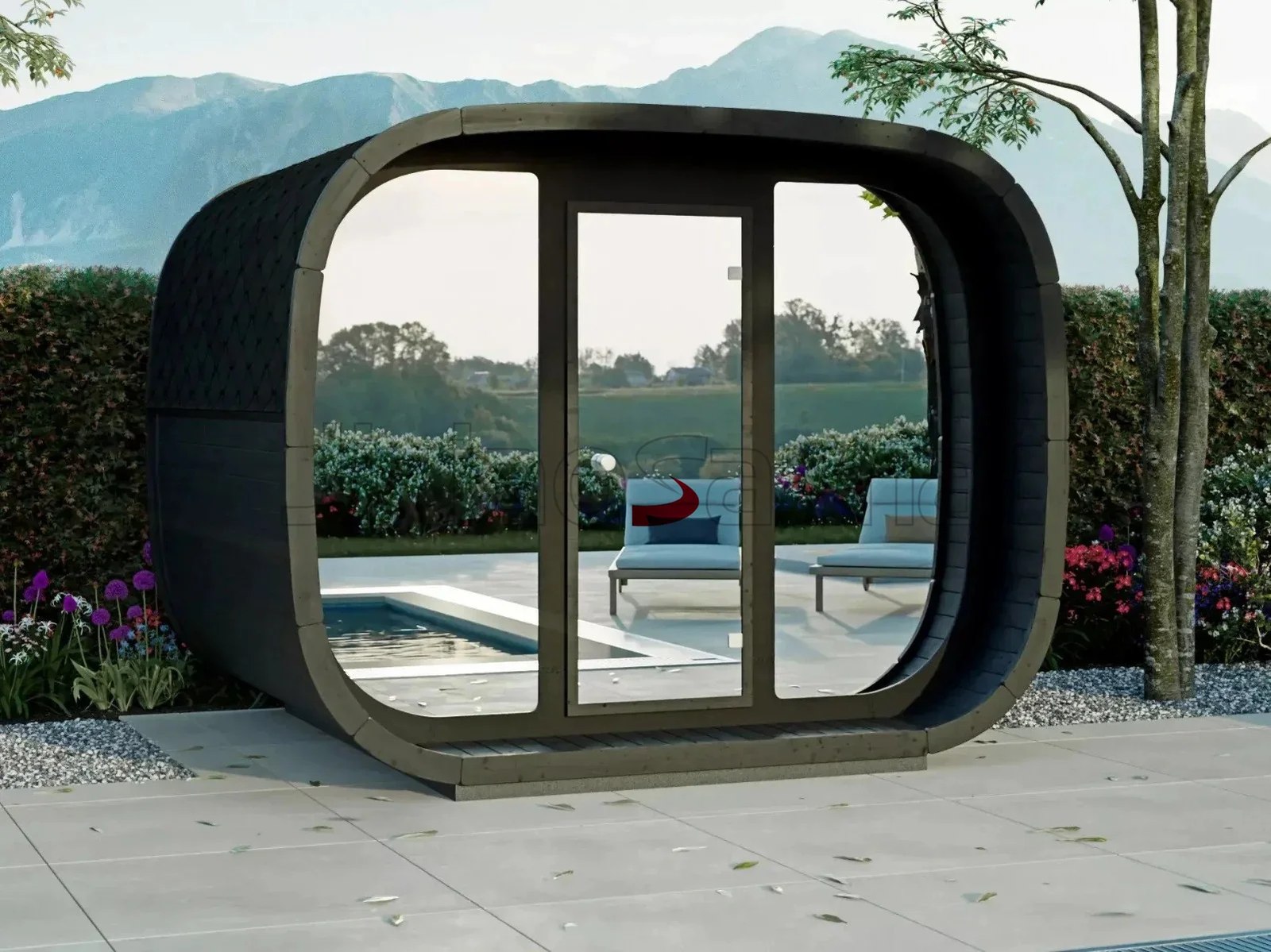
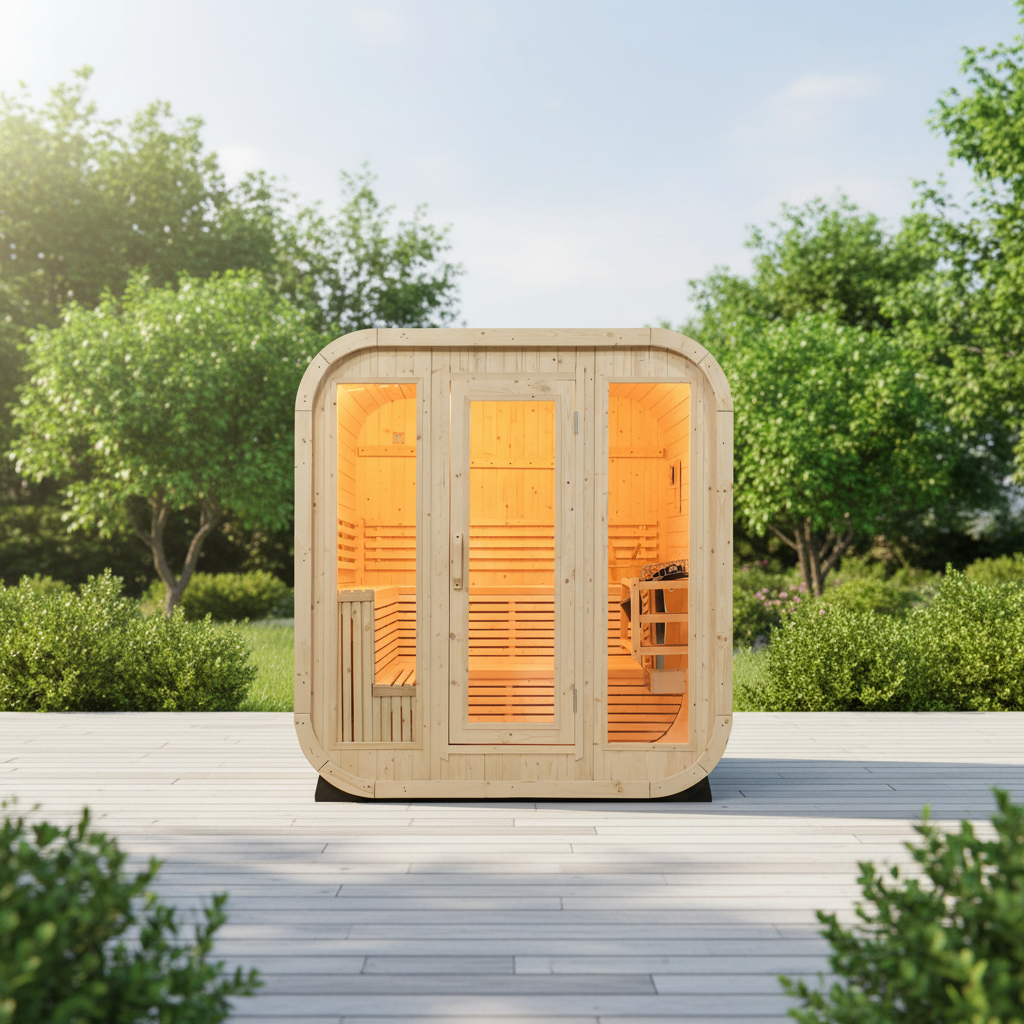
Specifications and options for CSA-28
Use CSA-28 as the visual reference, then confirm capacity, size, heater voltage, wood finish, glass direction, MOQ, packing, and document needs before quotation.
| Model | CSA-28 |
|---|---|
| Type | Sauna pod |
| Use setting | Outdoor |
| Capacity | Confirm by layout |
| Wood / finish | Project wood species options |
| Heater | Heater selected for destination market |
| Glass | Full glass front option |
Use CSA-28 as the visual model reference. Final size, bench layout, heater, glass, voltage, packing, and document route are locked after the approved drawing.
Product views
Send us this model code
CSA-28 | bennett@csauna.com | WhatsApp / Phone: +86 180 7047 6405
Buyer-file detail
CSA-28 production, packing, and RFQ checks
The design team checks these points before the drawing is locked. They decide whether the buyer receives a repeatable model or only a good-looking sample.
- full-glass pod facade
- view direction
- glass crate
- heater sizing
- seal inspection
CSA-28 should identify the view direction before production because glass orientation decides project value.
The buyer should approve clear glass, tinted glass, or reduced glass before comparing FOB price.
Resort projects should discuss replacement-glass lead time and spare seal kits before opening date planning.
Large glass can increase heat demand, so heater kW should be reviewed after the final room volume is known.
Outdoor seals and roof edge should be photographed together because weather exposure creates after-sales risk.
If privacy is needed, CSauna should quote tint or partial glass rather than lowering material quality quietly.
Packing should use separate glass crate labels and protect frames from strap pressure.
Factory photos should show glass crate, wood frame, heater label, roof edge, bench, and loading marks.
For resort buyers, cleaning access and operator maintenance should be visible in the buyer file.
The RFQ should include view direction, destination climate, voltage, glass preference, unloading method, and project timeline.
CSA-28 should be a project-facing pod reference, not just a dramatic full-glass image.
The final handoff should connect glass route, heater route, material route, packing route, and certificate route.
Buyer-file detail
CSA-28 additional production checks
CSA-28 should include a final note on view direction because a resort pod loses value if the glass faces the wrong side.
The buyer should approve site orientation before glass, bench, and heater positions are locked.
Large glass crates should be labeled by side, not only by model code, when the project includes multiple pods.
If the buyer expects sunset or lake views, privacy tint and glare should be discussed before production.
Outdoor seal inspection should be photographed before packing because glass pods carry more weather risk.
A resort opening schedule may require spare seals, spare handles, or replacement-glass planning with the first shipment.
Heater sizing should be checked after glass area and final climate are known.
The packing file should show glass crate, wood frame, roof edge, heater carton, manuals, labels, and loading marks.
The RFQ should include view side, local climate, unloading method, voltage, glass preference, and project deadline.
CSA-28 should read like a resort project reference, not just a high-impact photo card.
Final buyer-file notes
CSA-28 should include a final project handoff note because resort pods often need site-specific unloading and installation coordination.
If multiple pods are ordered, each glass crate should be matched to its model code and view orientation before loading.
The buyer should confirm whether the pod sits on deck, concrete, gravel, or a custom foundation before final packing.
The final inspection file should include view-facing glass, roof edge, heater label, bench direction, and loaded crate marks.