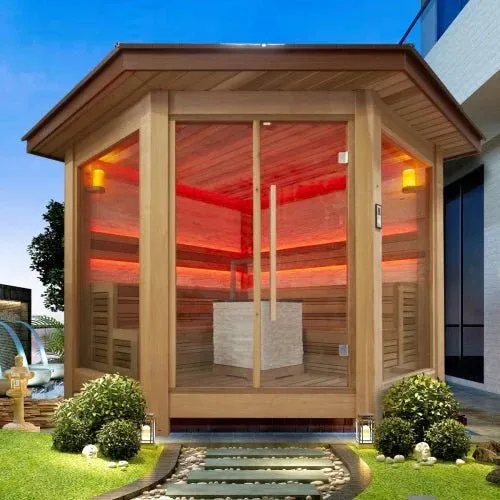
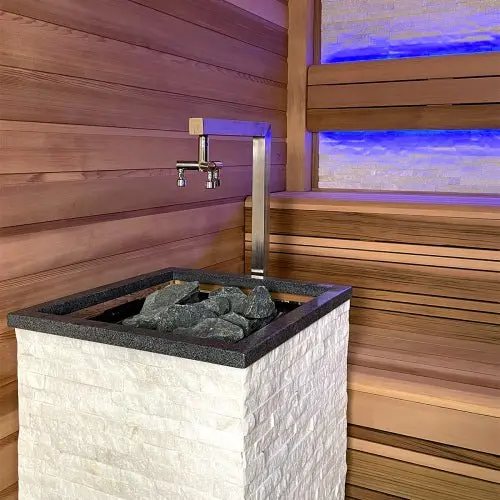
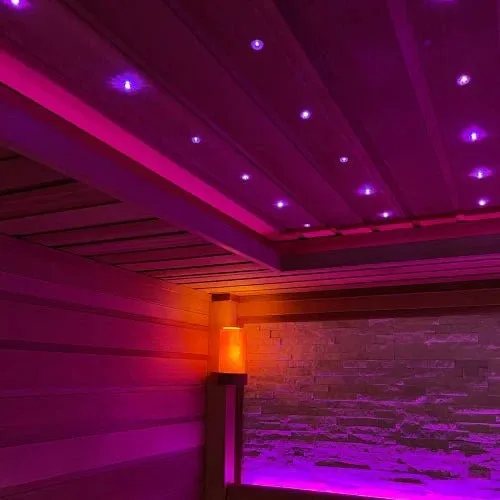

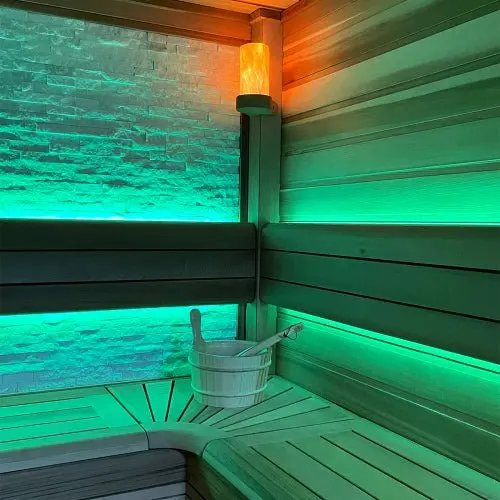
Specifications and options for CSA-39
Use CSA-39 as the visual reference, then confirm capacity, size, heater voltage, wood finish, glass direction, MOQ, packing, and document needs before quotation.
| Model | CSA-39 |
|---|---|
| Type | Outdoor sauna cabin |
| Use setting | Outdoor |
| Capacity | 4-6 person |
| Wood / finish | Project wood species options |
| Heater | Heater selected for destination market |
| Glass | Full glass front option |
Use CSA-39 as the visual model reference. Final size, bench layout, heater, glass, voltage, packing, and document route are locked after the approved drawing.
Product views
Send us this model code
CSA-39 | bennett@csauna.com | WhatsApp / Phone: +86 180 7047 6405
Buyer-file detail
CSA-39 production, packing, and RFQ checks
The design team checks these points before the drawing is locked. They decide whether the buyer receives a repeatable model or only a good-looking sample.
- hexagonal frame alignment
- full-glass crate
- bench fit
- heater side
- roof joint
CSA-39 should explain the hexagonal structure because this shape creates different frame and roof-joint checks from a cube.
Full glass front should be approved with glass thickness, hardware, seal, and replacement route before the quote is closed.
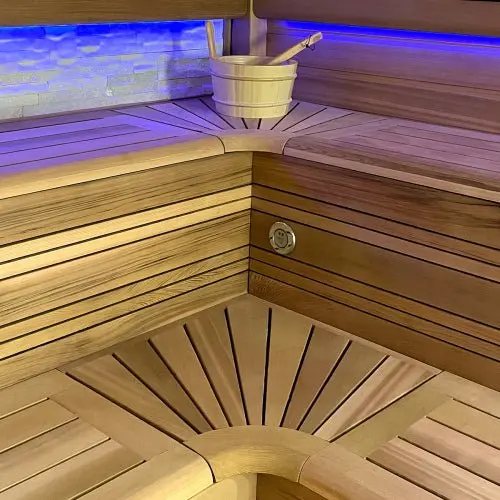
The buyer should review interior bench fit because angled walls can reduce usable seating if not planned carefully.
Roof joints and exterior trim should be photographed before packing because shape accuracy affects perceived quality.
Heater placement should keep safe distance from glass, bench edges, and entry movement.
Voltage, controller, sensor, stones, guard, manuals, labels, and certificate requests should stay in the same buyer file.
Packing should separate glass crate, angled frame pieces, roof parts, heater carton, manuals, labels, and small hardware.
Factory photos should include front glass, roof joint, frame alignment, bench, heater side, and carton labels.
MOQ can begin as one sample; repeat MOQ should wait until glass, frame, roof, heater, and labels are stable.
The RFQ should include shape tolerance, glass route, destination climate, voltage, packing method, and unloading plan.
Buyer-file detail
CSA-39 additional production checks
CSA-39 needs a structure note because a hexagonal cabin has frame alignment and roof-joint checks that a rectangular cube does not.
The full glass front should be approved with glass thickness, hardware, seal route, and replacement-glass lead time.
The buyer should review bench fit carefully because angled walls can reduce usable seating if the layout is not checked.
Roof joints should be photographed from more than one angle because shape accuracy affects weatherproofing and buyer confidence.
Heater side should keep safe clearance from glass, bench edges, entry movement, and ventilation route.
Electric files should include voltage, kW, controller, sensor, stones, guard, labels, manuals, and certificate request.
Packing should separate full-glass crate, angled frame pieces, roof parts, heater carton, manuals, labels, and small hardware.
Factory photos should include front glass, roof joint, frame alignment, bench, heater side, and carton labels.
The RFQ should include shape tolerance, destination climate, glass route, voltage, packing method, and unloading plan.
If this model is used for a resort, spare glass seals and spare handles should be considered with the first shipment.
MOQ can begin from one sample, while repeat orders should freeze glass, frame, roof, heater, labels, and accessory pack.
CSA-39 should prove that the distinctive shape can still be produced, packed, installed, and serviced cleanly.