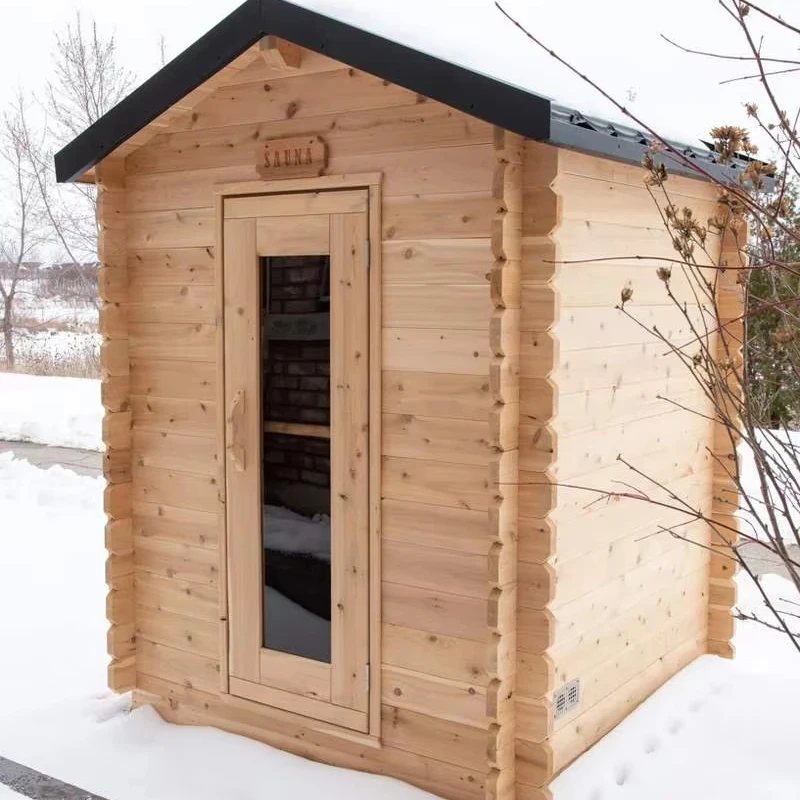
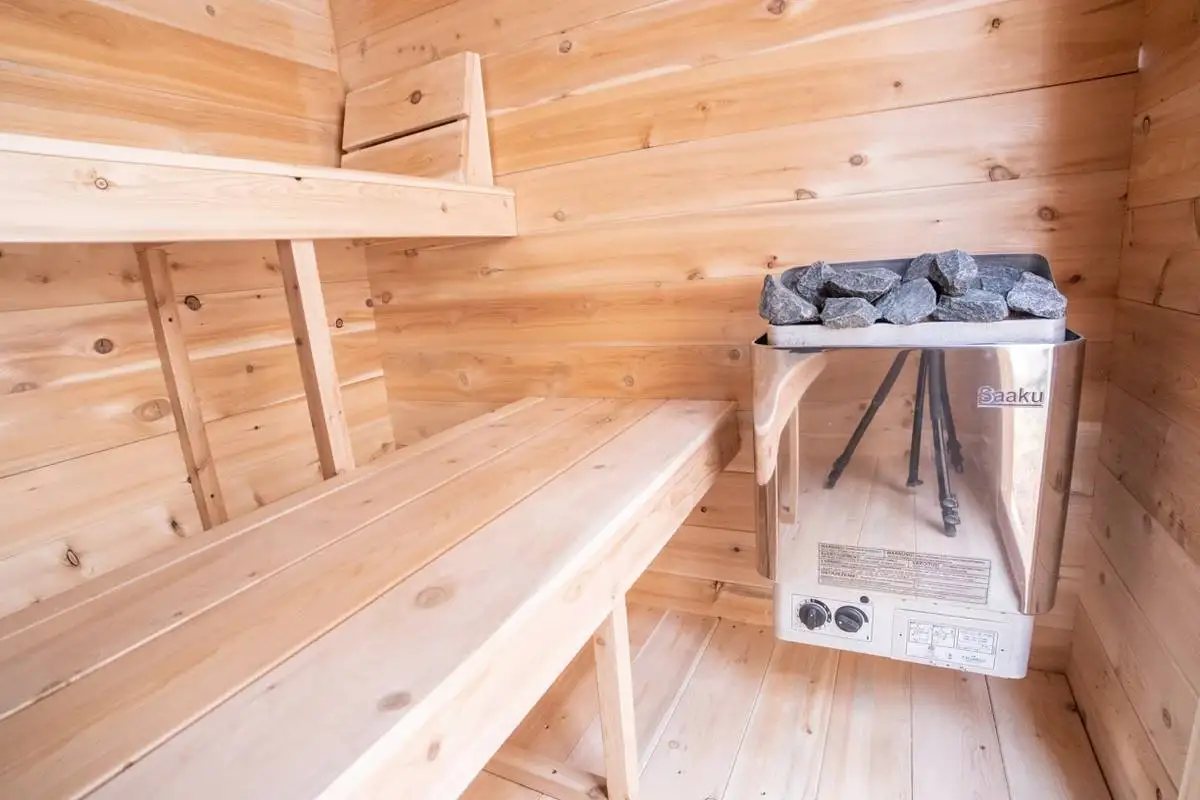
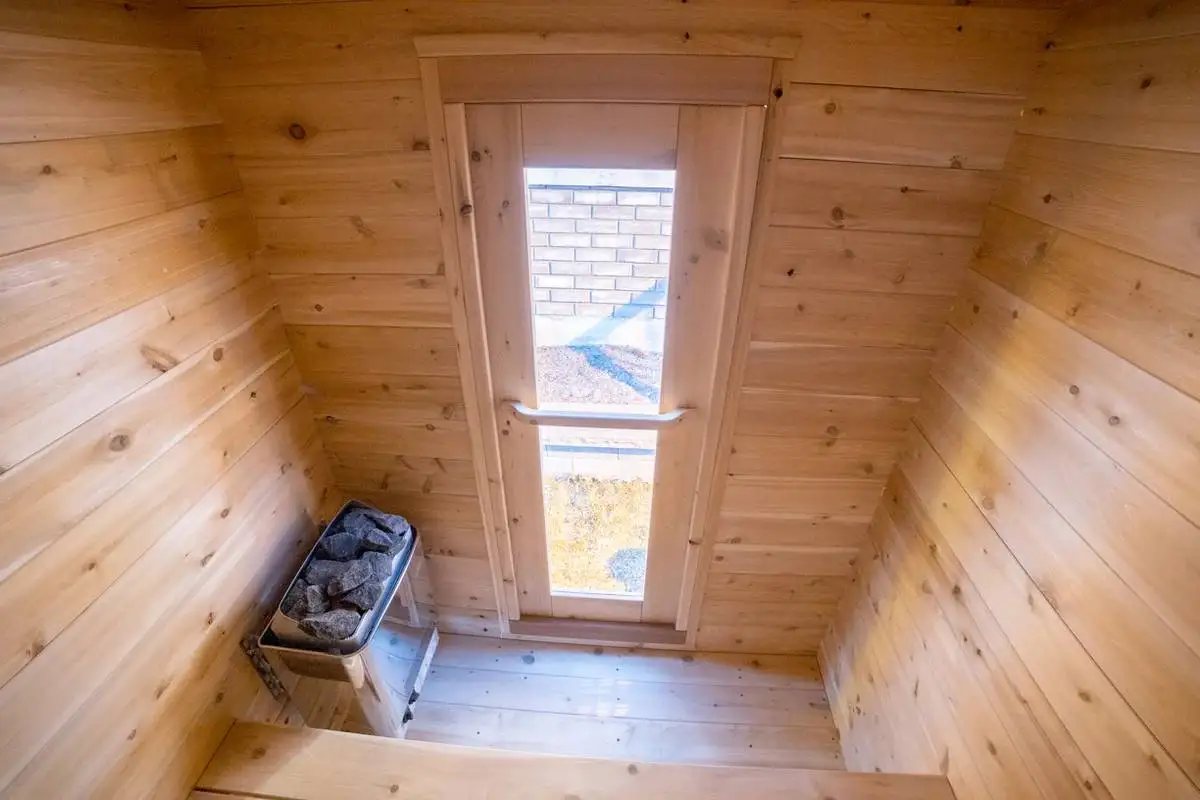
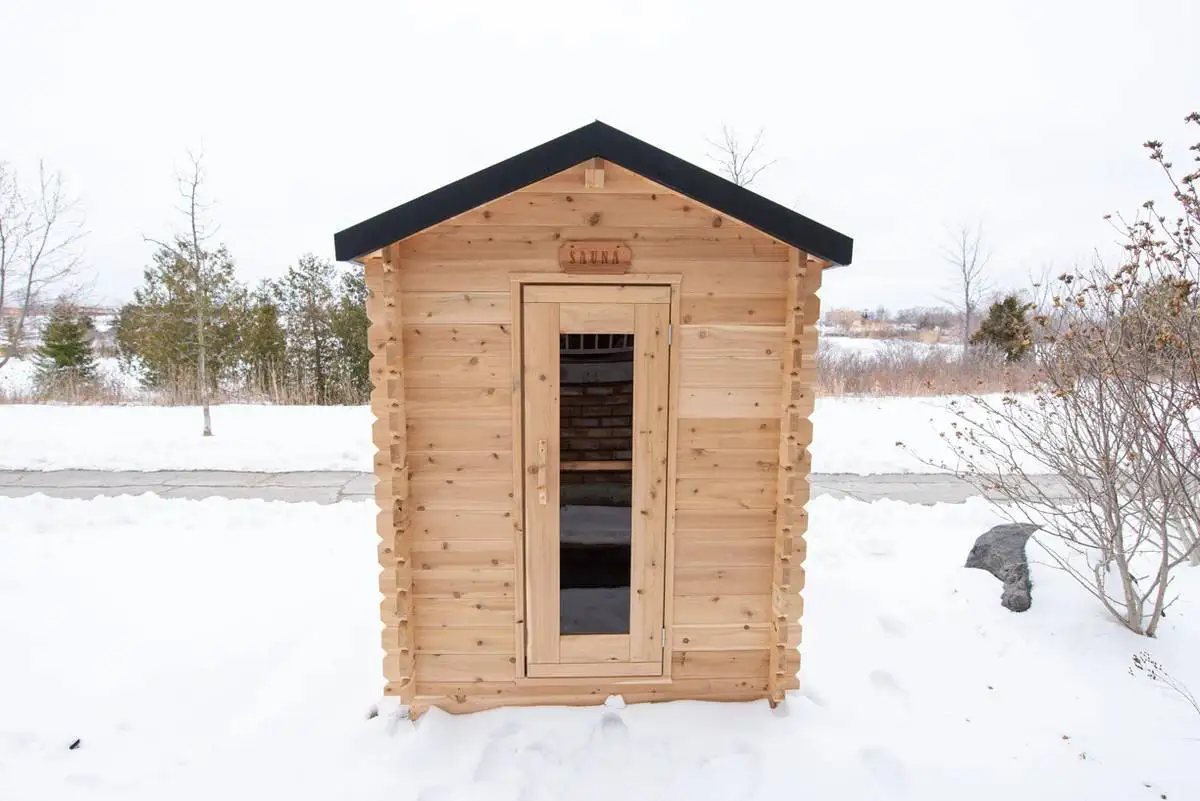
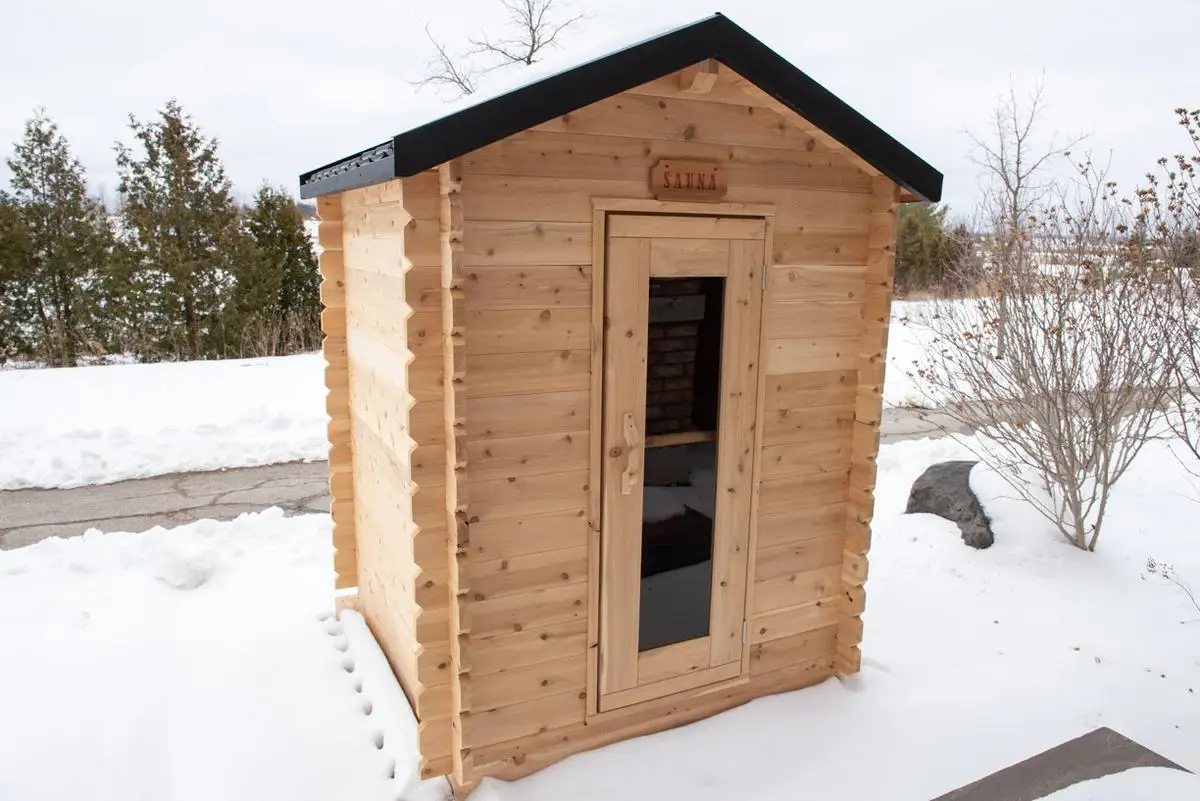
Specifications and options for CSA-72
Use CSA-72 when the buyer needs a solid wood outdoor cabin adjusted by wood species, roof finish, glass direction, bench plan, heater route, voltage market, label file, and packing method.
| Model | CSA-72 |
|---|---|
| Type | Outdoor sauna cabin |
| Use setting | Garden, villa, resort, dealer showroom, or private-label outdoor program |
| Capacity | Confirmed from final bench length, room volume, and heater route |
| Wood / finish | Solid wood construction; species and finish confirmed from project requirements |
| Heater | Electric stone heater or wood-stove route reviewed after final volume |
| Glass | Glass door, side window, full-front glass, or privacy-glass package by drawing |
Use CSA-72 as the visual model reference. Final size, bench layout, heater, glass, voltage, packing, and document route are locked after the approved drawing.
Product views
Send us this model code
CSA-72 | bennett@csauna.com | WhatsApp / Phone: +86 180 7047 6405
Buyer-file detail
CSA-72 production, packing, and RFQ checks
The design team checks these items before the drawing is locked. They make the page more useful for sourcing, quotation, inspection, and repeat-order handoff.
- custom size
- wood species
- roof finish
- door direction
- heater route
- private-label file
CSA-72 is already a customizable model, so the buyer file should record which choices are standard and which choices change cost or production time.
The first discussion should name exterior size, user capacity, wood route, glass direction, roof color, heater type, and destination country.
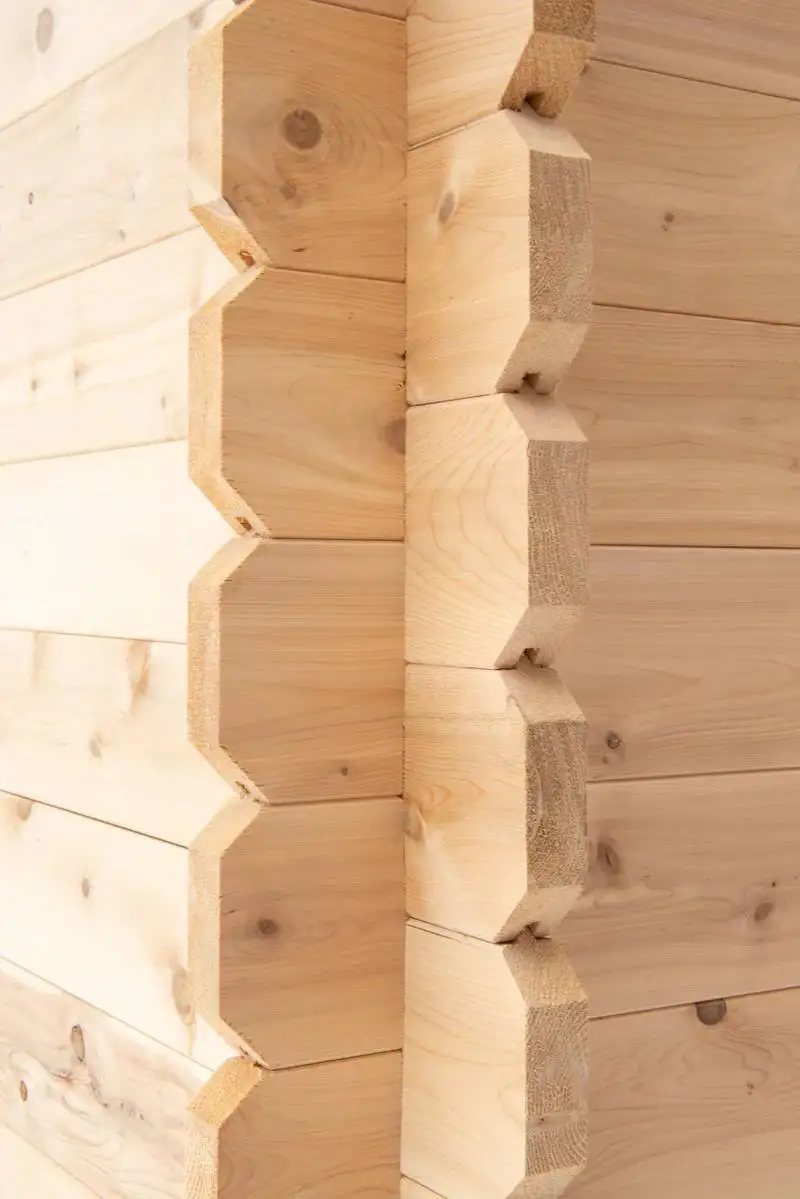
Solid wood selection should compare cedar, hemlock, thermo wood, pine, and finish treatment through service life, appearance, and budget.
If the buyer changes the roof, CSauna should update roof parts, packing length, waterproof detail, and installation sequence at the same time.
Glass size and door swing should be reviewed from the actual garden view, not only from a front-facing product card.
Electric heater quotes should state kW, voltage, controller, sensor, stones, guard, manual, and certificate request.
Wood-fired quotes should state stove body, chimney, shield, flue package, roof penetration, and local installer responsibility.
MOQ can begin with one sample, but repeat orders should lock label language, carton marks, accessory kits, and inspection photo requirements.
The RFQ should separate base cabin price from wood upgrade, glass upgrade, heater upgrade, roof change, and private-label scope.
For dealer programs, CSauna should keep a stable drawing code so future spare parts match the first confirmed sample.
Packing should list wall boards, roof parts, glass crate, heater or stove carton, benches, manuals, labels, and spare hardware by carton.
If the buyer asks for a lower landed cost, CSauna should show which options can be simplified without making the product vague.
The inspection file should include wood close-up, exterior side, interior bench, heater package, roof detail, and packed carton marks.
A custom project should not be published as a fixed specification until voltage, material, roof, glass, and packing are approved.
The buyer should confirm whether the model is for a showroom, a private-label line, a resort project, or one custom homeowner order.
Final handoff should include drawings, BOM direction, certificate request, QC photos, manuals, labels, and spare-parts notes.