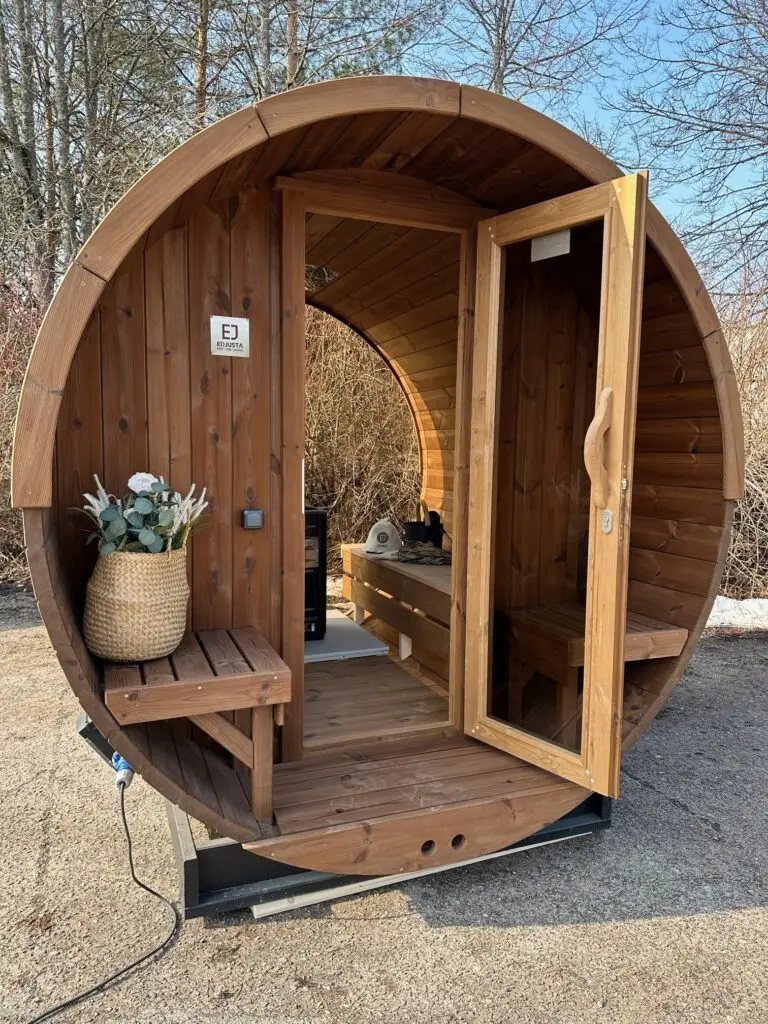
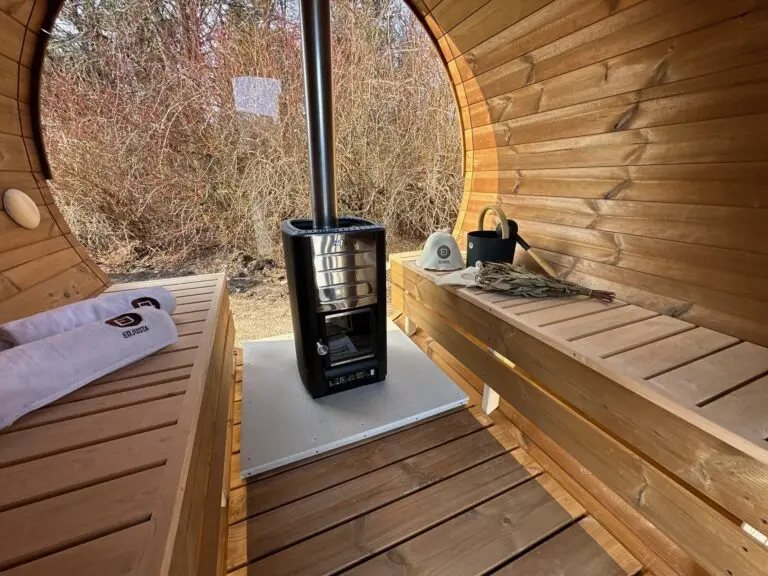
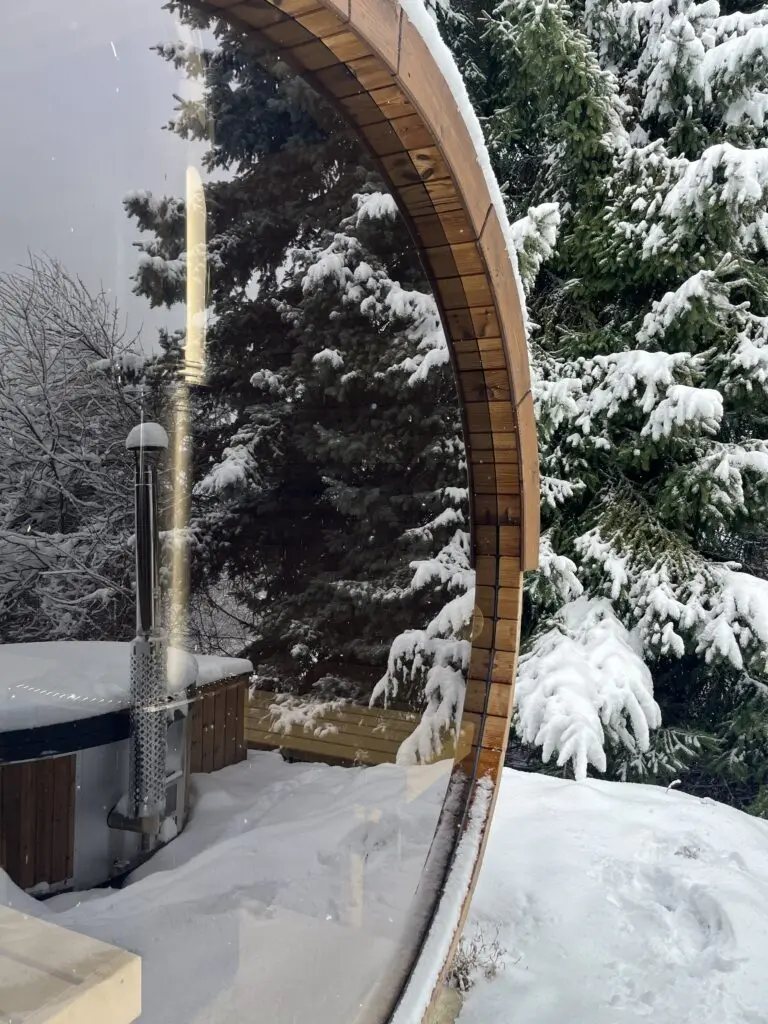
Specifications and options for CSA-50
Use CSA-50 as the visual reference, then confirm capacity, size, heater voltage, wood finish, glass direction, MOQ, packing, and document needs before quotation.
| Model | CSA-50 |
|---|---|
| Type | Barrel sauna |
| Use setting | Outdoor |
| Capacity | 4-6 person |
| Wood / finish | Dark exterior finish; wood species confirmed from project requirements |
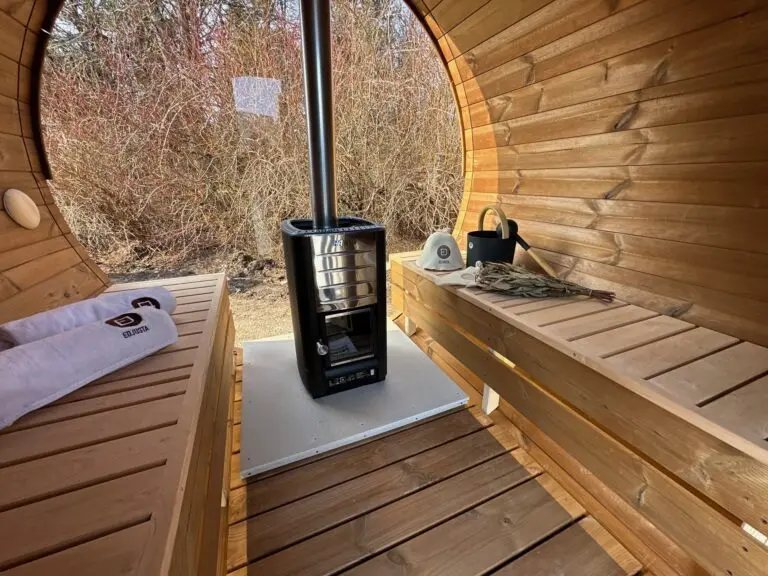
| Heater | Heater selected for destination market |
| Glass | Door and glass layout matched to model |
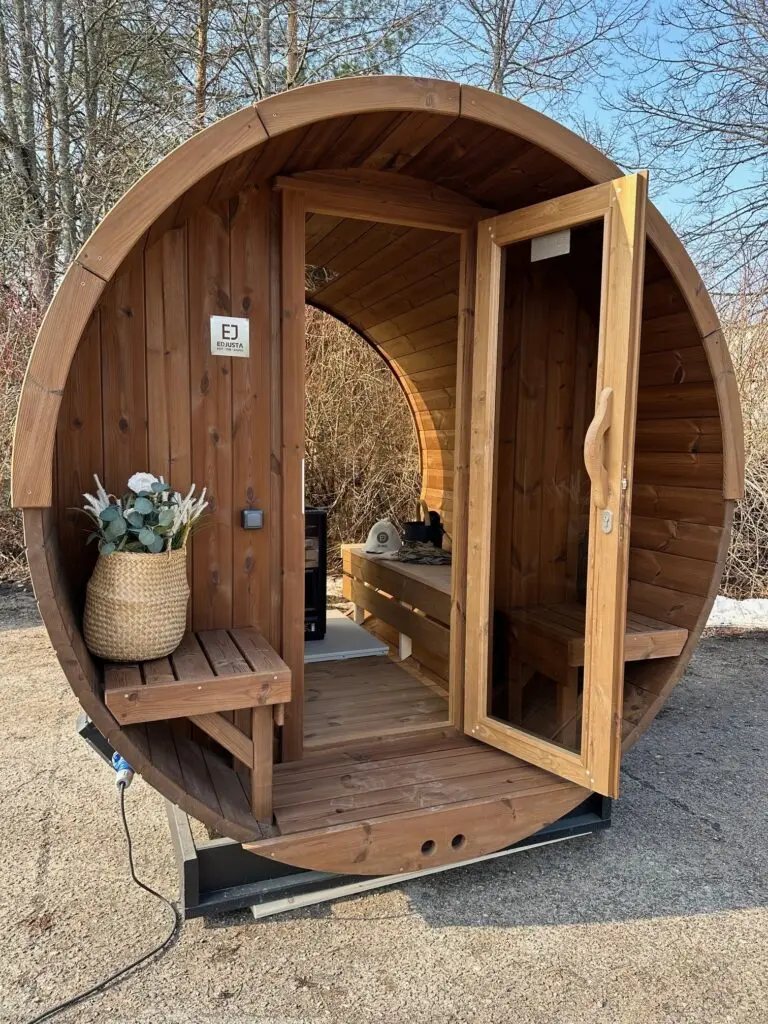
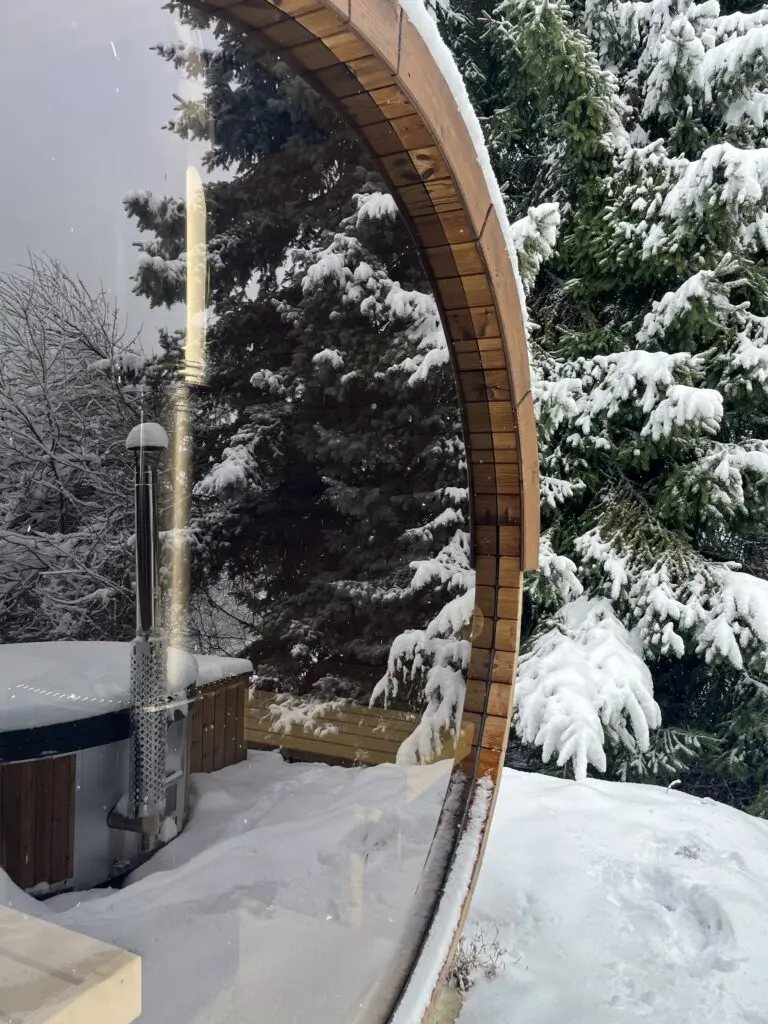
Use CSA-50 as the visual model reference. Final size, bench layout, heater, glass, voltage, packing, and document route are locked after the approved drawing.
Product views
Send us this model code
CSA-50 | bennett@csauna.com | WhatsApp / Phone: +86 180 7047 6405
Buyer-file detail
CSA-50 production, packing, and RFQ checks
The design team checks these points before the drawing is locked. They decide whether the buyer receives a repeatable model or only a good-looking sample.
- open porch depth
- charcoal finish
- barrel band tension
- door swing
- heat route
CSA-50 should define the open porch because buyers may expect a real entry buffer rather than a decorative front extension.
The porch floor and threshold should be checked for rain direction, cleaning access, and safe user movement.
Charcoal finish should be approved with real surface photos, not only a color word in the title.
If the base wood is cedar, the buyer may still request material evidence even though the exterior is dark.
Electric routes should list kW, voltage, controller, stones, guard, certificate questions, and manual language by destination.
Wood-fired routes should list stove, chimney, heat shield, flue, warning label, and local installer responsibility separately.
Packing should protect porch parts, dark panels, barrel bands, door hardware, heater or stove cartons, manuals, and labels.
Outdoor maintenance should include finish touch-up, roof shingle checks, porch threshold cleaning, barrel band tightening, and door-seal inspection.
The RFQ should include porch function, heat route, destination climate, finish tolerance, wood preference, carton marks, and unloading method.
A dealer sample should freeze porch length, charcoal tone, door hardware, roof cover, heat route, and packaging file before repeat orders.
CSA-50 should help buyers price the porch and dark finish as real production choices rather than decorative text.
Factory photos should show porch detail, charcoal surface, barrel side, roof edge, heat package, and packed labels.
Buyer-file detail
CSA-50 additional production checks
CSA-50 should include a porch-use note because an open porch can mean entry buffer, visual extension, or a small standing zone.
The buyer should approve porch depth, threshold detail, door swing, and rain direction before the barrel drawing is locked.
Charcoal finish should be controlled with sample photos because dark surfaces expose scratches, dust, and strap pressure quickly.
If the buyer requests cedar under the charcoal surface, the material evidence should remain part of the order file.
Heat route should be selected after checking whether the porch changes user movement around the heater or stove side.
Packing should separate porch parts, barrel boards, roof cover, heater or stove carton, manuals, labels, and hardware bags.
The RFQ should include porch function, finish tolerance, wood preference, voltage or chimney route, destination climate, and unloading method.
CSA-50 should help buyers understand the cost of the porch and finish route instead of treating them as decorative extras.