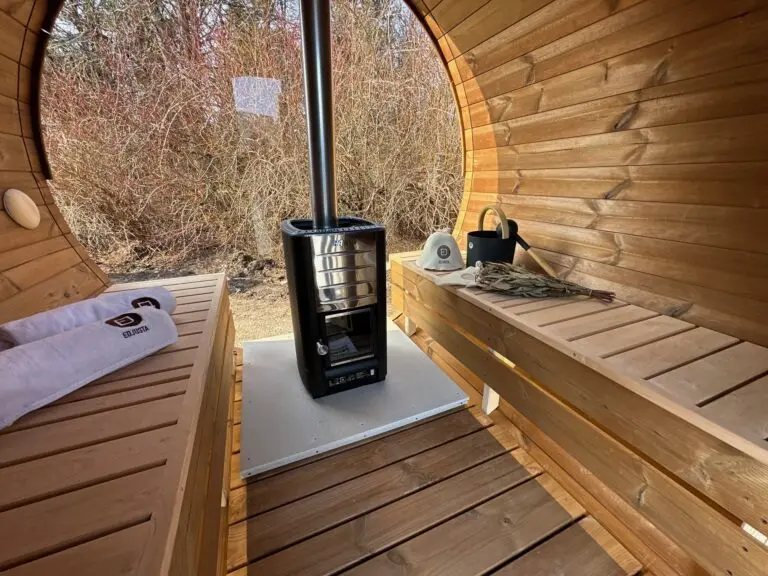
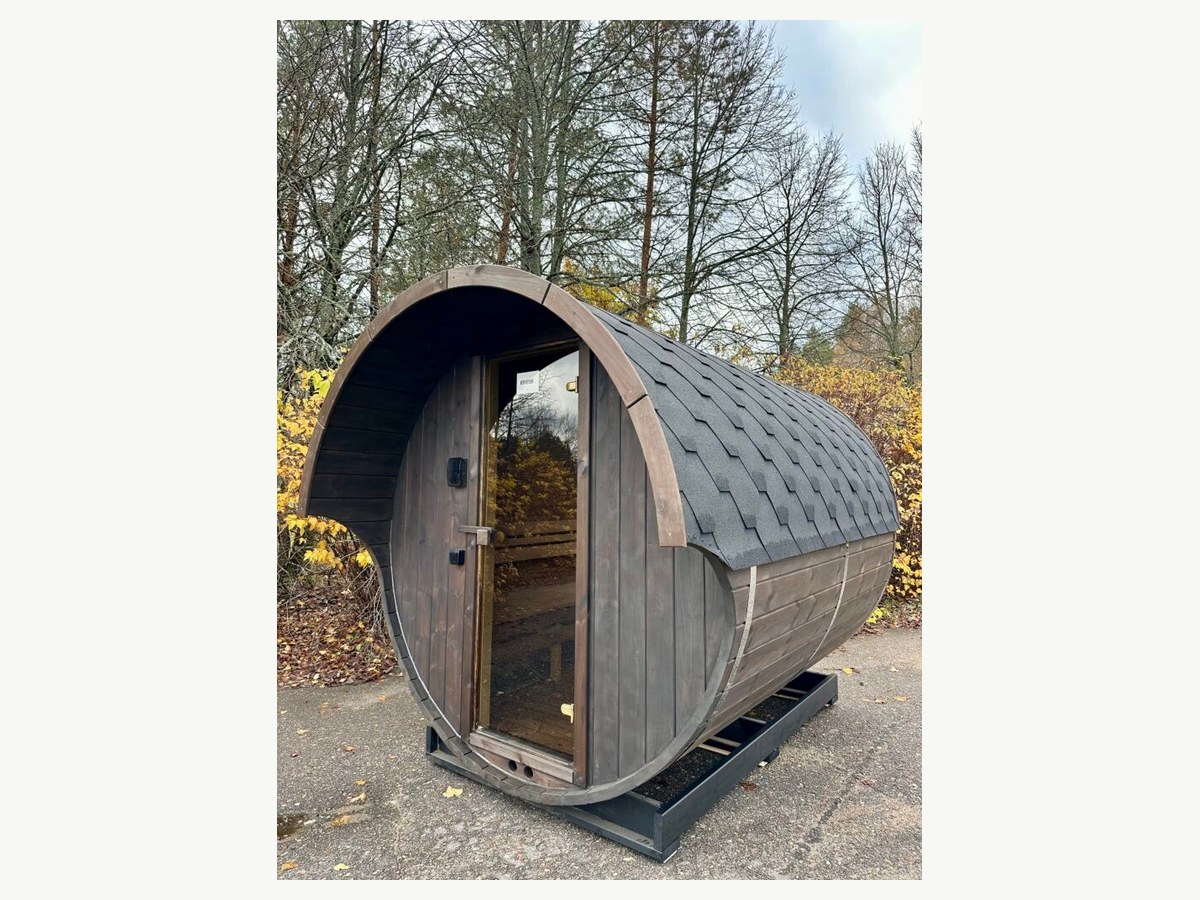
Specifications and options for CSA-32
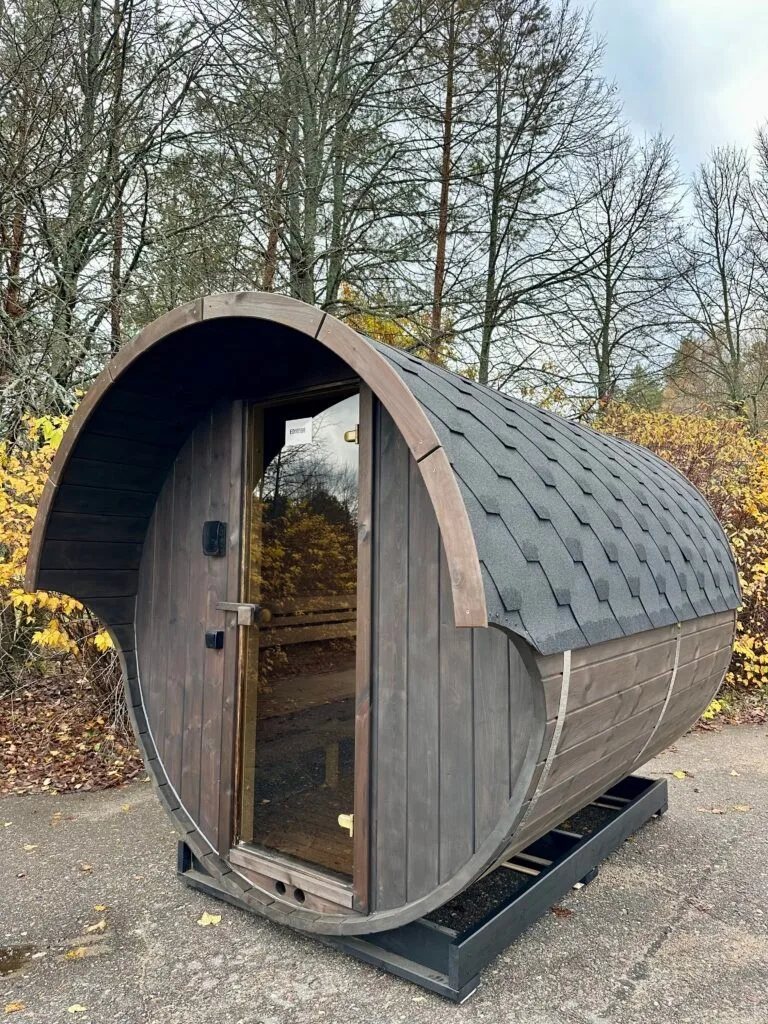
Use CSA-32 as the visual reference, then confirm capacity, size, heater voltage, wood finish, glass direction, MOQ, packing, and document needs before quotation.
| Model | CSA-32 |
|---|---|
| Type | Barrel sauna |
| Use setting | Outdoor |
| Capacity | 4-6 person |
| Wood / finish | Dark exterior finish; wood species confirmed from project requirements |
| Heater | Heater selected for destination market |
| Glass | Glass door or front glass option |
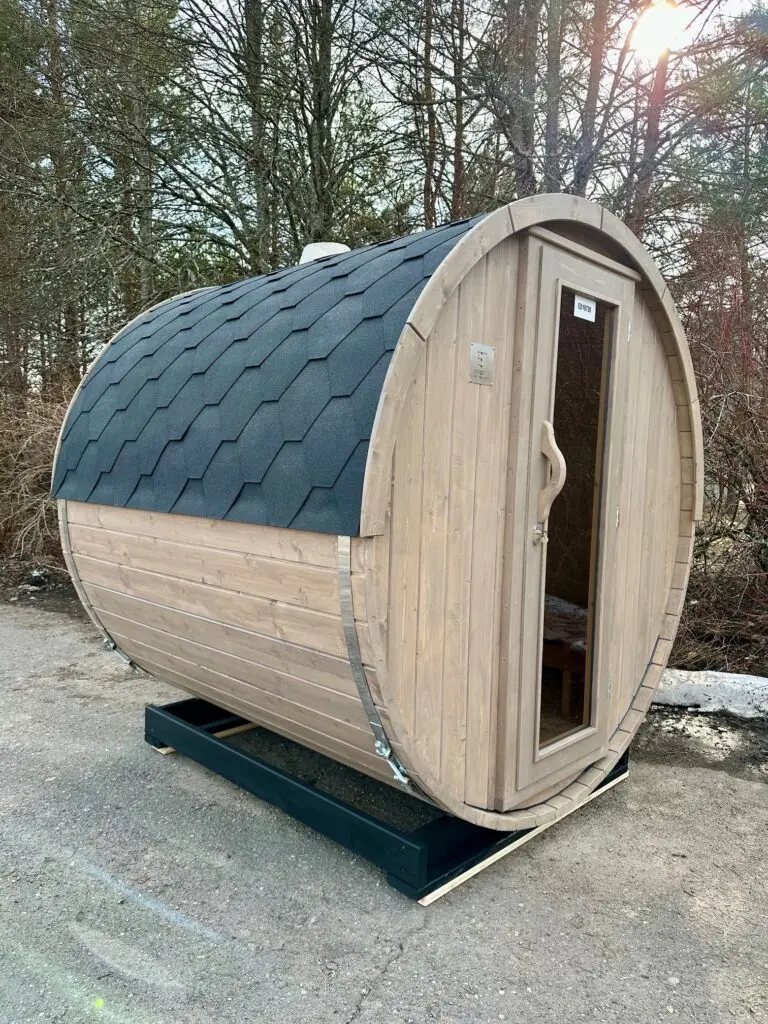
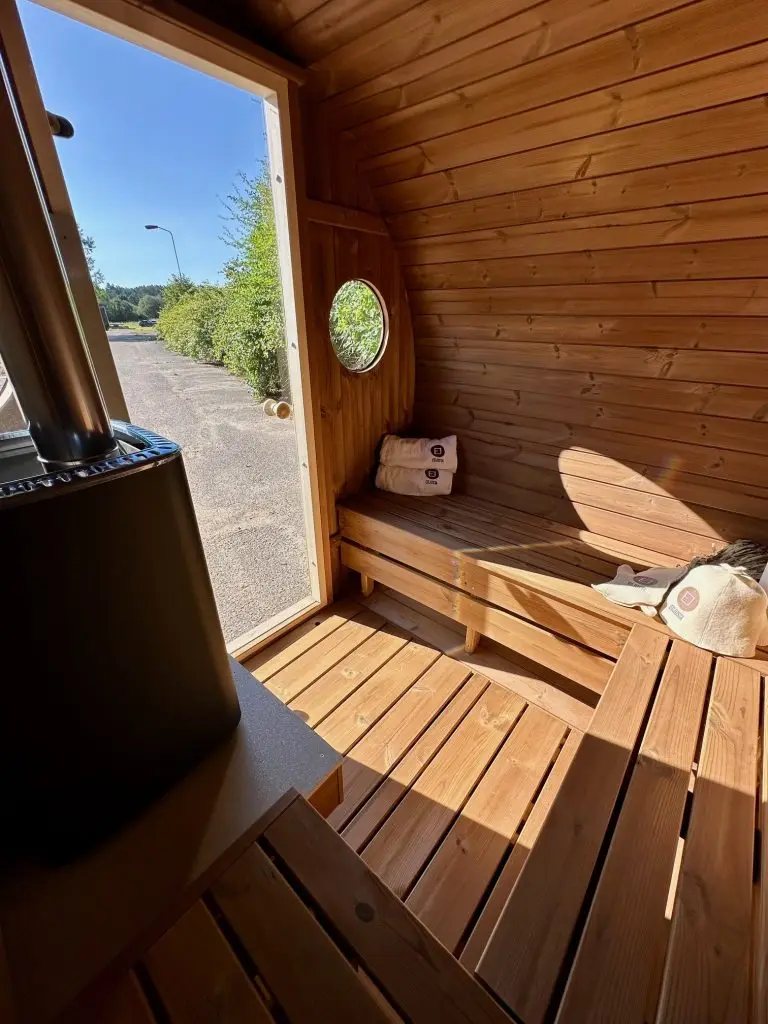
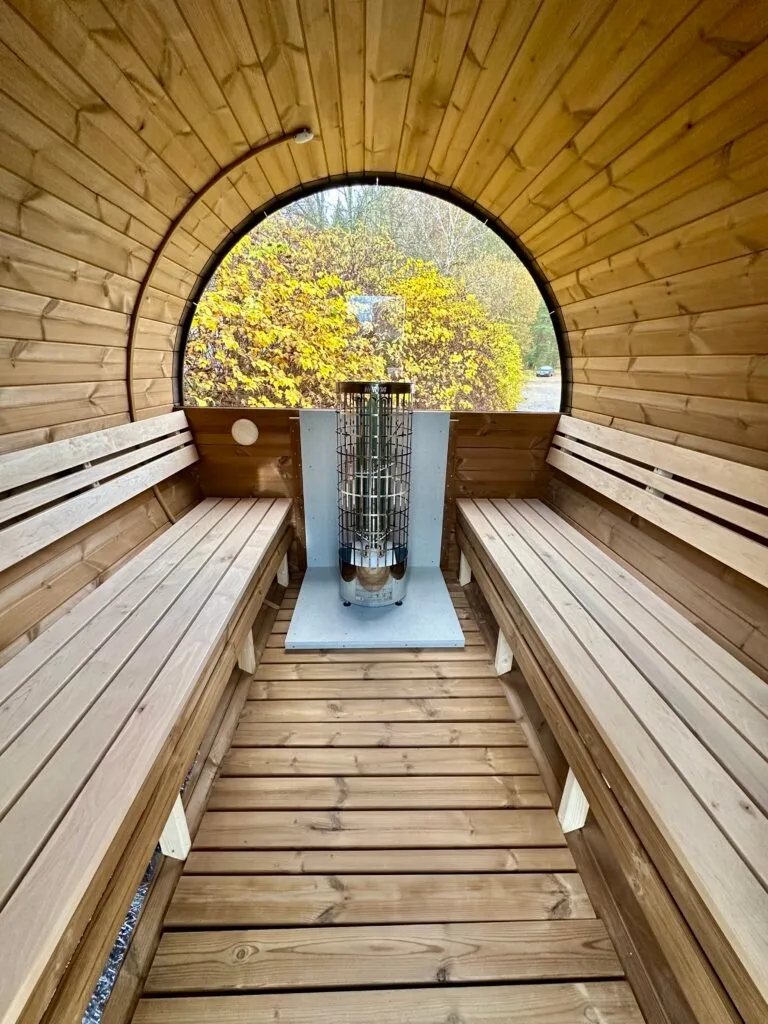
Use CSA-32 as the visual model reference. Final size, bench layout, heater, glass, voltage, packing, and document route are locked after the approved drawing.
Product views
Send us this model code
CSA-32 | bennett@csauna.com | WhatsApp / Phone: +86 180 7047 6405
Buyer-file detail
CSA-32 production, packing, and RFQ checks
The design team checks these points before the drawing is locked. They decide whether the buyer receives a repeatable model or only a good-looking sample.
- charcoal finish sample
- glass-door hardware
- barrel band tension
- heater clearance
- touch-up kit
CSA-32 should distinguish charcoal finish from carbonized wood, stained wood, or painted exterior so buyers compare the right option.
The glass door needs hinge, handle, magnetic seal, and crate protection details before price comparison.
Dark finishes show scratches more easily, so final inspection should include a close-up after packing protection is removed.
Outdoor use should include roof shingle color, base clearance, and maintenance notes for the chosen finish.
Electric heater files should name kW, voltage, controller, guard, stones, manuals, labels, and certificate expectation.
If the buyer wants a wood-fired version, chimney parts and local permit responsibility should be quoted separately.
Factory photos should show the glass door, charcoal surface, roof edge, heater side, bench, and packed carton labels.
Packing should separate glass, metal bands, heater stones, fasteners, manuals, and visible wood surfaces.
MOQ can begin as a sample, but repeat orders should freeze the exact charcoal tone and hardware before catalog release.
The RFQ should include finish tolerance, voltage, heater route, destination climate, packaging marks, and private-label needs.
Buyer-file detail
CSA-32 additional production checks
CSA-32 needs a finish note that separates charcoal stain, carbonized wood, and painted exterior so the buyer knows exactly what is being quoted.
The glass door should be checked for hinge side, handle style, magnetic seal, glass crate, and replacement-hardware route before approval.
Dark barrel surfaces should be photographed after cleaning because dust, fingerprints, and strap marks are more visible than on natural wood.
If the buyer asks for cedar under a charcoal finish, cedar evidence should not be lost behind the color decision.
Electric heater planning should list voltage, kW, controller, stones, guard distance, certification request, and manual language by destination.
A stove option should show chimney, shield, stove carton, flue position, and local code responsibility as separate quote lines.
Outdoor care should include roof shingle inspection, finish touch-up, barrel band tension, glass-door seal, and metal-hardware checking.
Packing should keep the glass door away from heater stones, band hardware, chimney parts, and visible charcoal panels.
The RFQ should include target finish tone, wood base, heat route, voltage market, roof color, sample quantity, and private-label packaging.
For repeat orders, lock one charcoal color sample and one door hardware set before the model enters a dealer catalog.
Factory evidence should include door close-up, charcoal surface, barrel bands, roof edge, heater label, and packed carton marks.
CSA-32 should read as a controlled dark-finish barrel program, not just a barrel image with a different color.