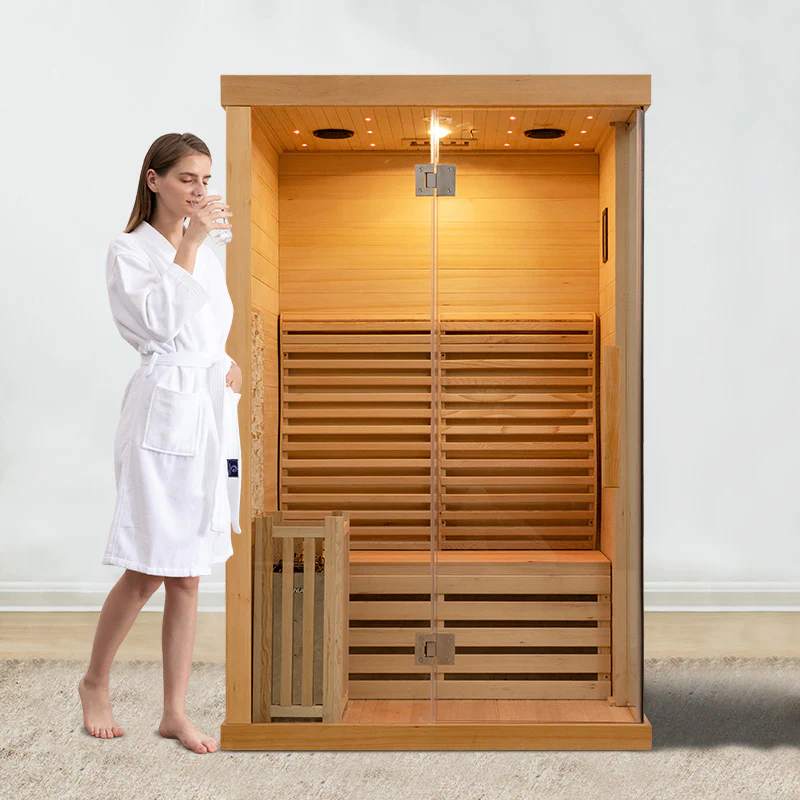
CSA-531 quote scope: Cedar Indoor Salt Wall Sauna Cabin
Use CSA-531 as the model reference for cedar indoor salt wall sauna cabin. Confirm final size, capacity, heater voltage and power, wood or finish, glass and door direction, MOQ, packing, certificates, and destination before quotation.
| Model / SKU | CSA-531 |
|---|---|
| Product type | Indoor sauna room |
| Use setting | Indoor |
| Wood / finish | Cedar |
| MOQ | 1 set |
| Reference price | $680-980 / set |
| Reference | CSauna factory catalog record |
| Confirmation items | Dimensions, packing, material details, and order drawings are confirmed before production. |
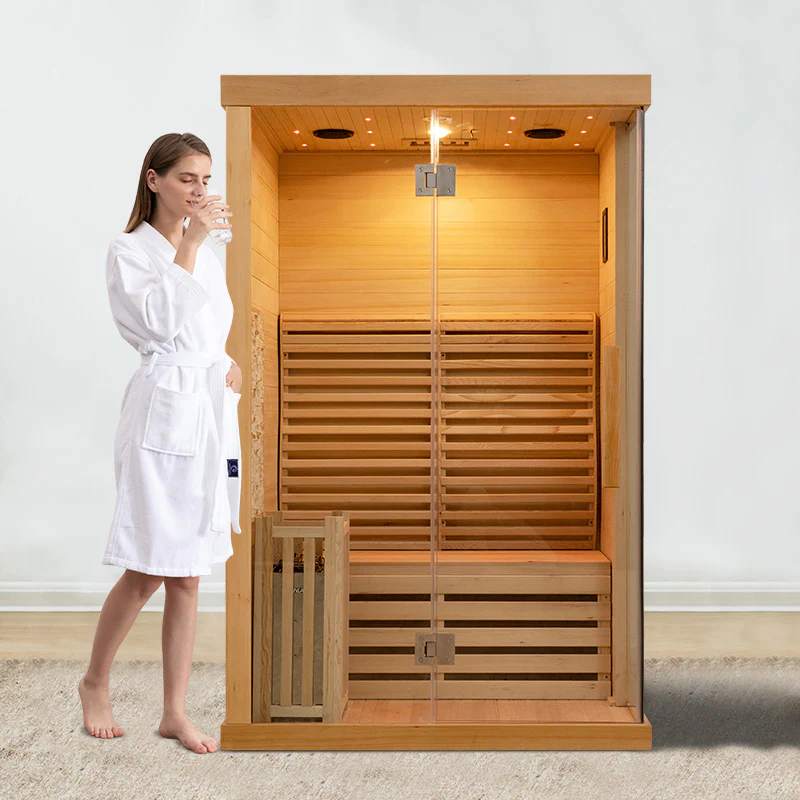
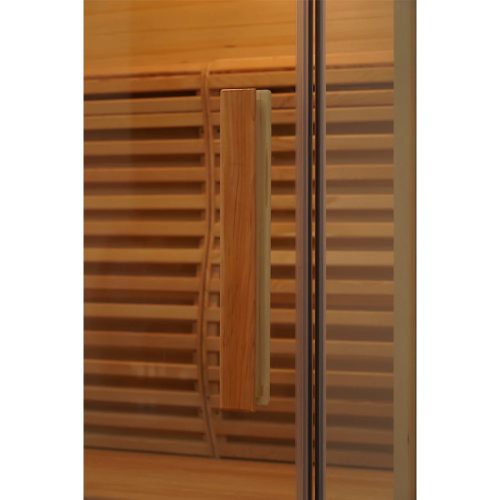
Use CSA-531 as the visual model reference. Final size, bench layout, heater, glass, voltage, packing, and document route are locked after the approved drawing.
Model views for buyer review
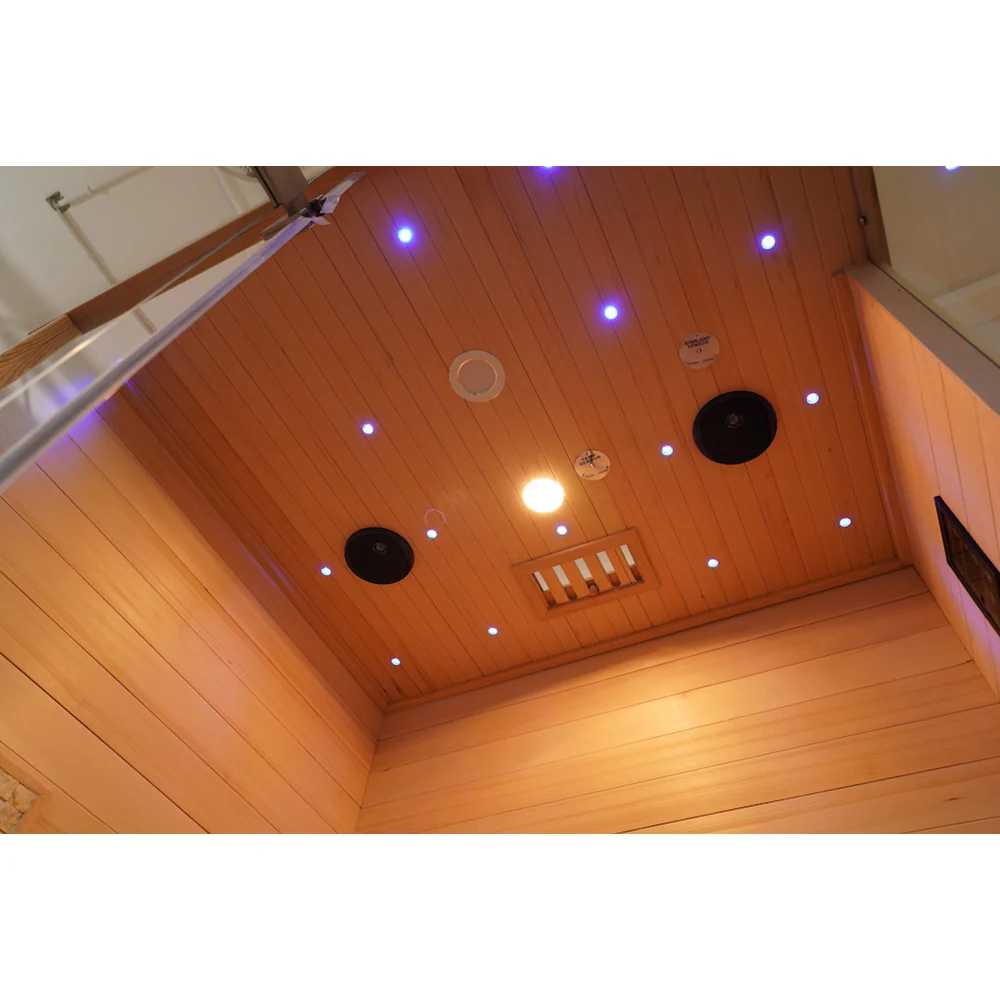
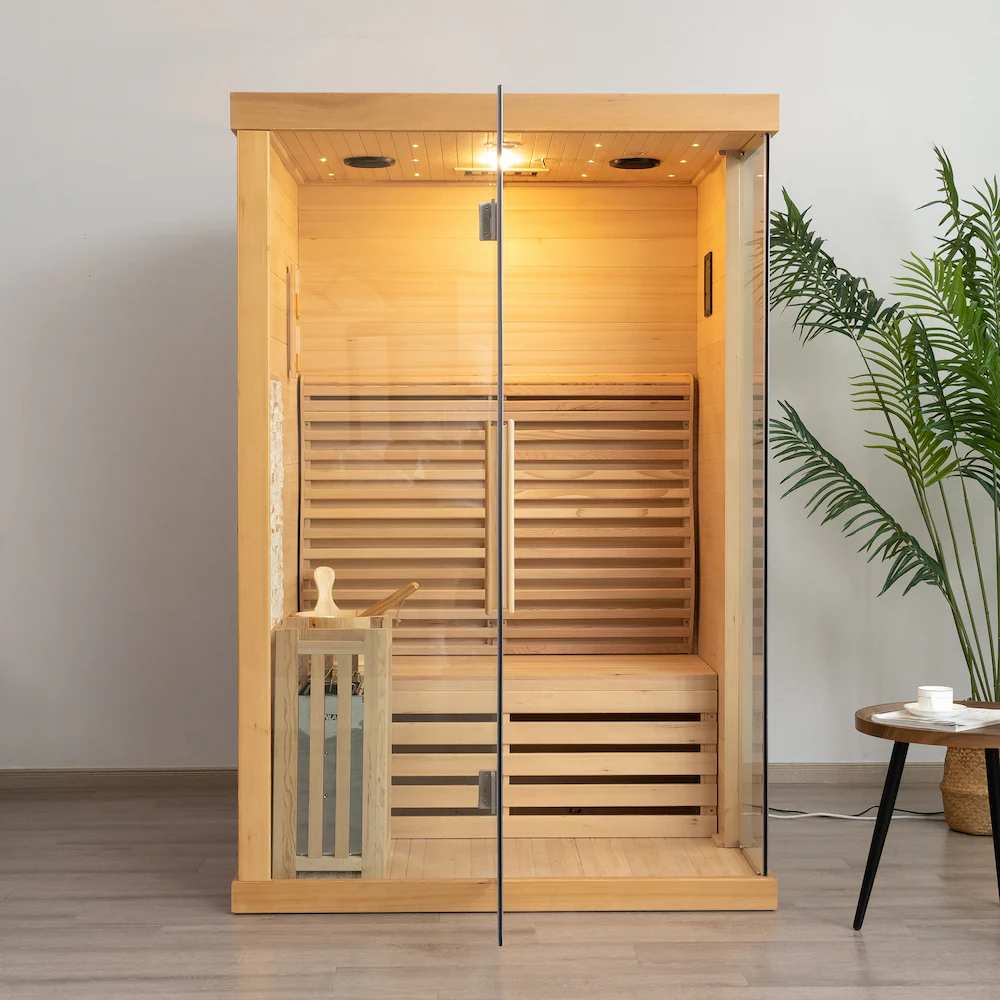
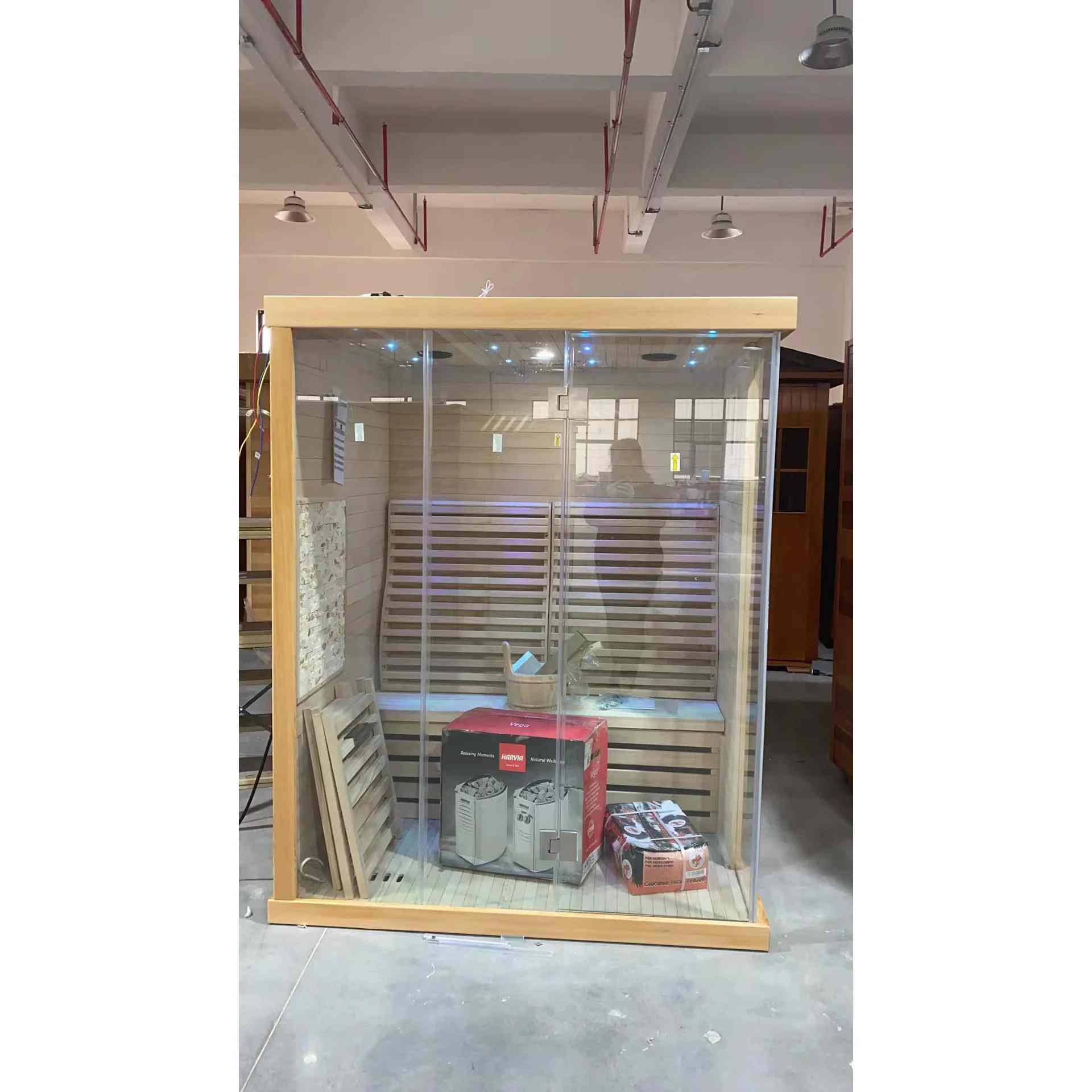
Send us this model code
CSA-531 | bennett@csauna.com | WhatsApp / Phone: +86 180 7047 6405
Buyer and factory scope
CSA-531 details to confirm before quote
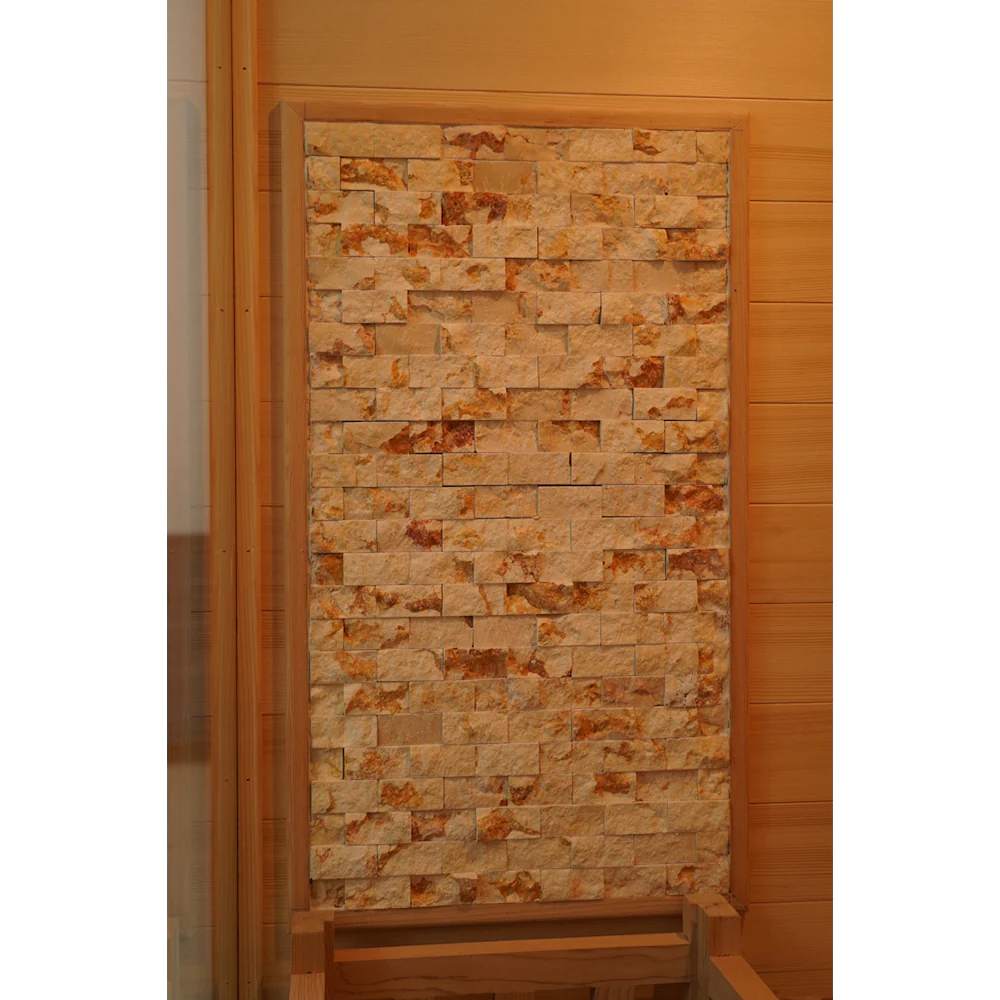
CSA-531 is reviewed as a cedar indoor salt wall sauna cabin, so the buyer file should preserve the real model difference instead of using a broad sauna-room template. Best-fit buyer: wellness-room buyers who want cedar warmth with a salt-wall feature. Material route: cedar interior route with salt-wall support, dry-room maintenance, surface tone, and spare board policy confirmed. Heat and electrical route: indoor heater route with voltage, controller, sensor, stones, salt-wall clearance, and ventilation listed together.
Quote checks
- For Europe and many Southeast Asia orders, the electrical note should distinguish 220-240 V from 380-415 V and name the installer responsibility.
- For North America, the buyer file should clarify 240 V planning, English label language, and certification discussion before production release.
- A first sample can start from 1 set for material, heat-system, glass, and packing approval; repeat MOQ should wait until the fixed configuration is approved.
- Mixed-container planning should separate shell size, heat system, glass crate, accessory cartons, manuals, labels, spare parts, and loading sequence.
- The salt wall should be treated as a real installed feature, not as a decorative word in the title.
Factory handoff
- The buyer should confirm salt brick size, lighting behind the wall, replacement access, and whether salt material is included.
- Cedar and salt have different maintenance needs, so the order file should keep them separate.
- The heater guard should be reviewed so hot surfaces do not conflict with the salt-wall position.
- Factory photos should show cedar boards, salt-wall frame, lighting route, heater guard, bench layout, and packed fragile parts.
- The quote should separate cedar shell, salt-wall parts, lighting, heater, controller, glass, manuals, packing, and spare parts.
- A spa buyer may need cleaning instructions that differ from a home wellness buyer.
- If the salt wall is buyer-supplied, CSauna should quote only the frame and preparation scope.
- CSA-531 should show final size, capacity, bench direction, door swing, glass or window position, ventilation, and heat-system clearance before production release.
- CSauna should keep CSA-531 structure, material, heat route, documents, accessories, packing, and loading terms on one handoff record.
Design department notes
CSA-531 notes for buyer review
For CSA-531, the salt wall should be treated as fragile interior work, so frame support, lighting route, and replacement access need clear photos.
The buyer should confirm whether salt bricks, salt panels, or only salt-wall preparation are included in the order.
Cedar boards and salt material should not be merged into one material line because they have different maintenance and replacement paths.
If backlighting is included, transformer location, cable route, and controller label should be listed before the quotation is locked.
Factory photos should show salt-wall frame, cedar surface, lighting test, heater guard, bench alignment, glass or door hardware, and protected packing.
CSA-531 should be positioned as a wellness-room build with fragile interior components, not only as a cedar indoor cabin.
CSA-531 final buyer-file notes
- CSA-531 should include a final fragile-parts note for salt-wall packing, because salt bricks or panels must not be mixed with ordinary wood trim.
- The buyer file should identify whether the salt wall is mainly visual, therapeutic, or brand-positioning material for a spa room.
- If lighting is installed near the salt wall, the transformer and cable route should be photographed before the wall is closed.
- A spare salt-piece policy should be discussed when the model is sold to hotels or wellness centers.
Power and voltage
CSA-531 salt-wall heater and lighting planning