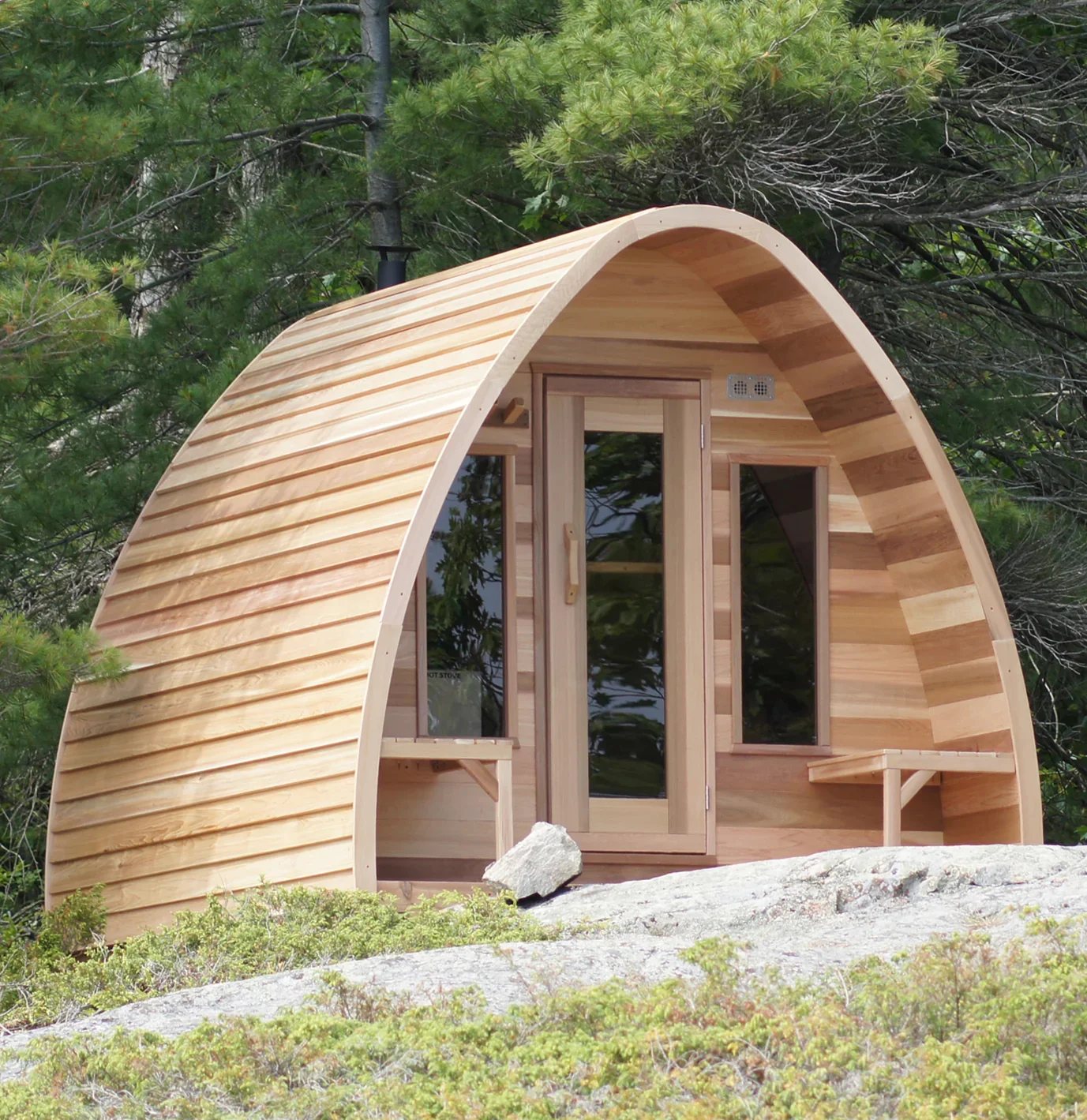
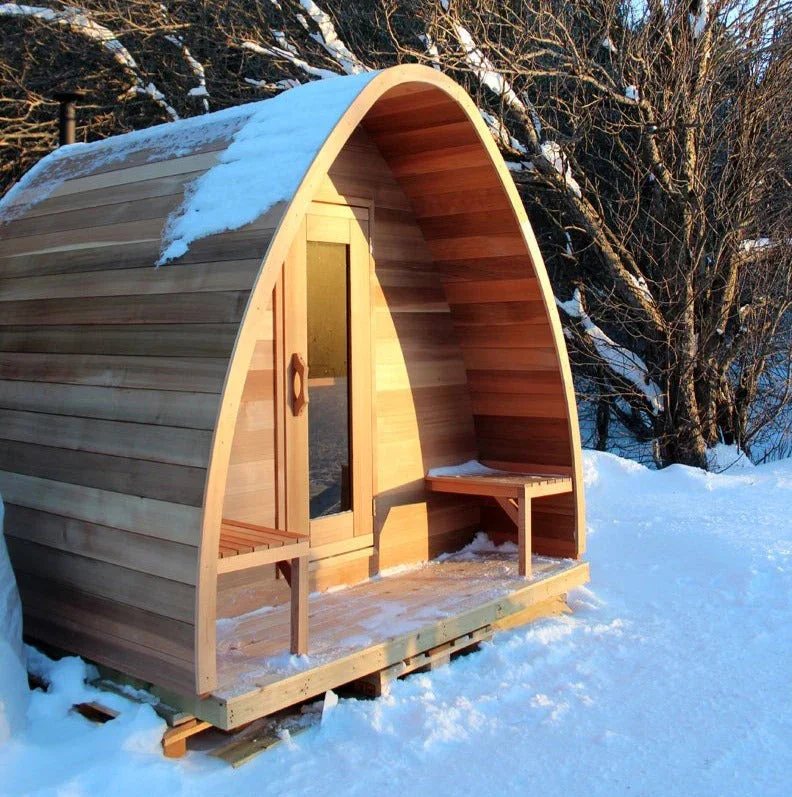
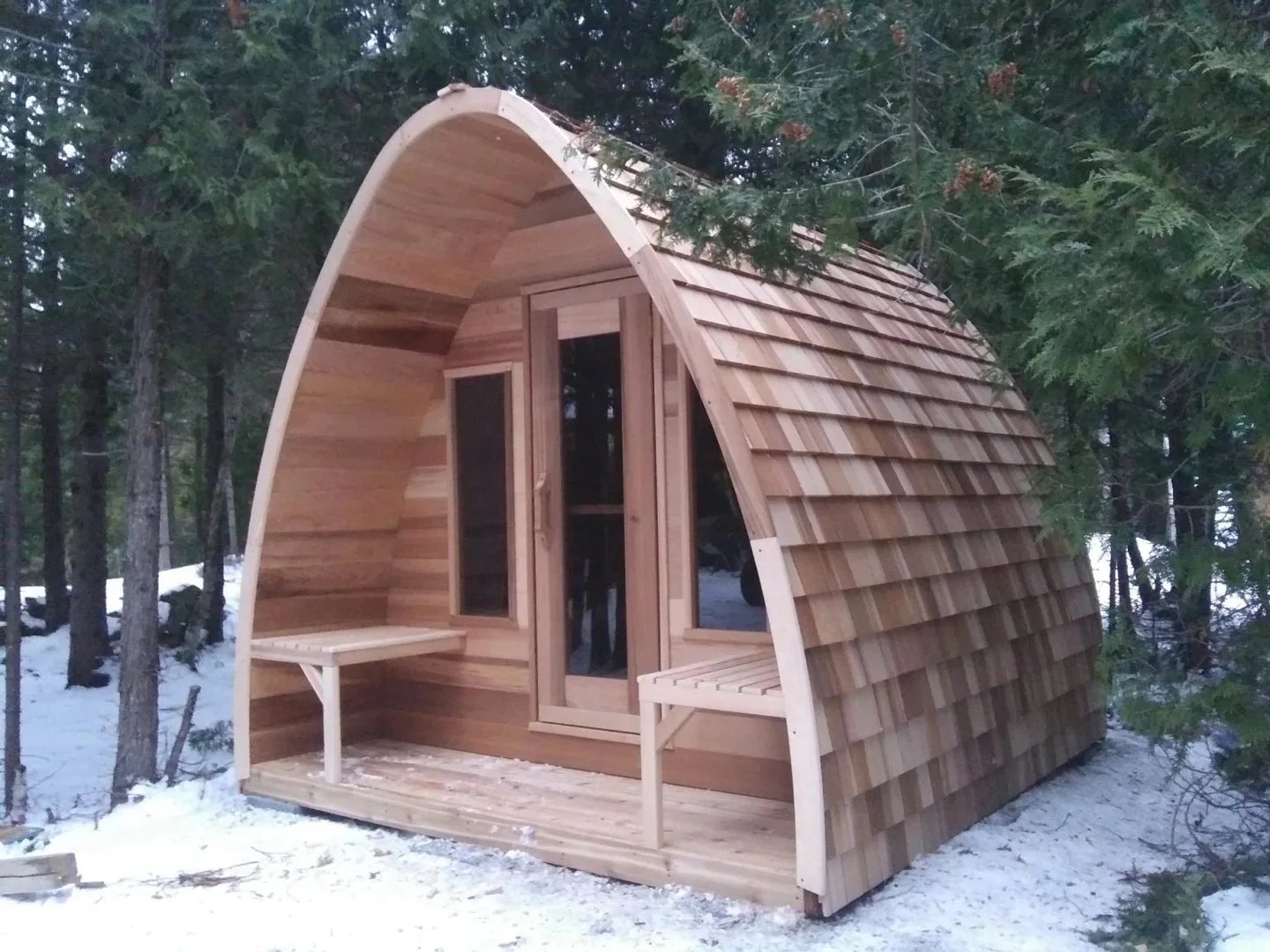
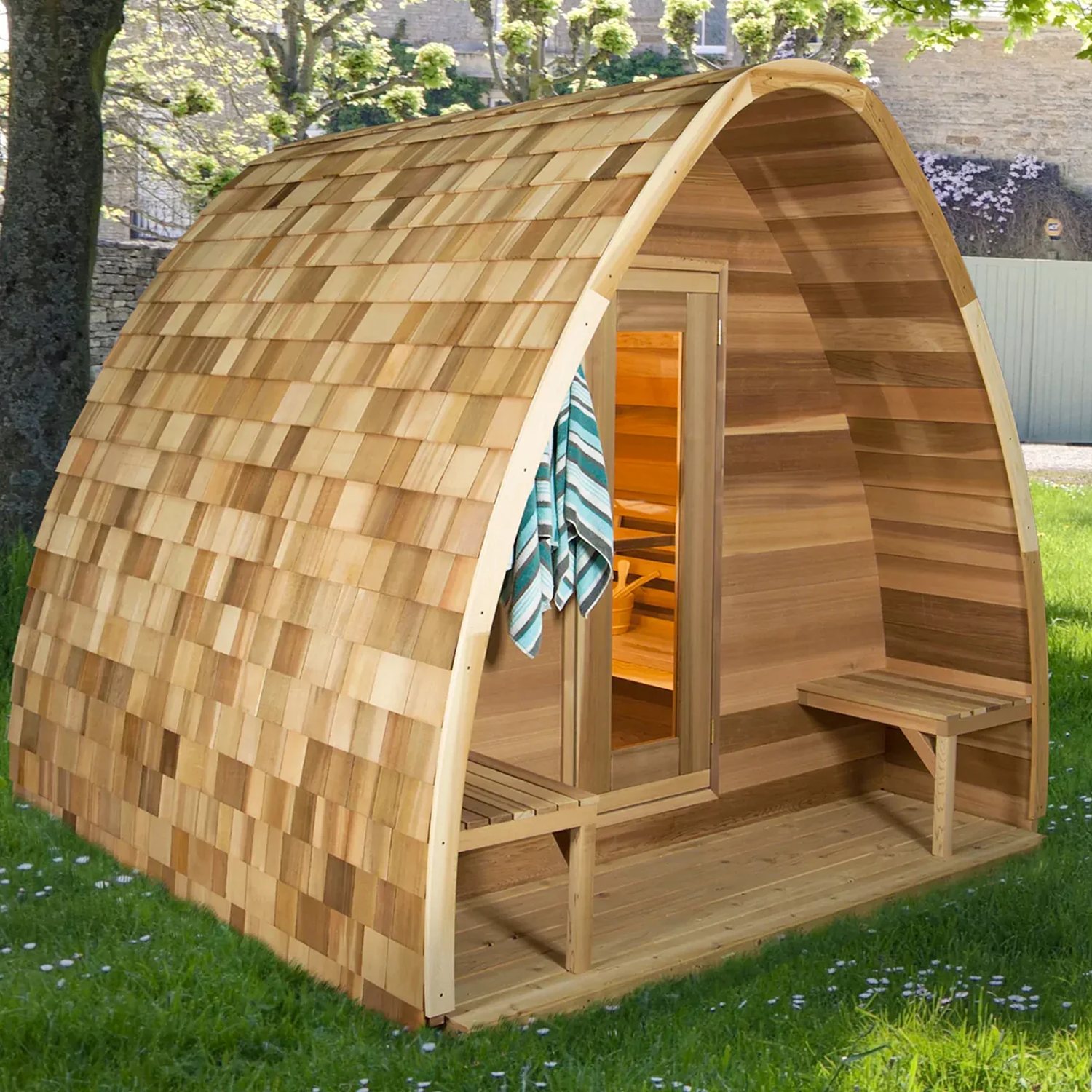
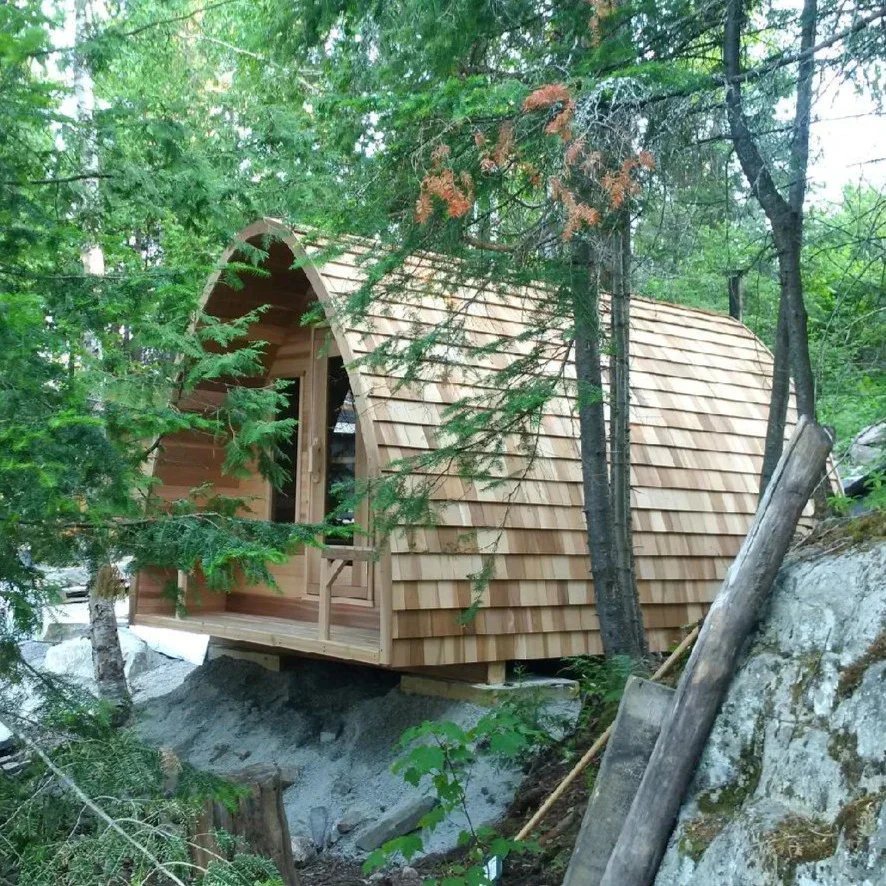
Specifications and options for CSA-68
Use CSA-68 as the visual reference, then confirm capacity, size, heater voltage, wood finish, glass direction, MOQ, packing, and document needs before quotation.
| Model | CSA-68 |
|---|---|
| Type | Outdoor sauna cabin |
| Use setting | Outdoor |
| Capacity | 4 person |
| Wood / finish | Cedar or cedar-style finish |
| Heater | Infrared system planning |
| Glass | Door and glass layout matched to model |
Use CSA-68 as the visual model reference. Final size, bench layout, heater, glass, voltage, packing, and document route are locked after the approved drawing.
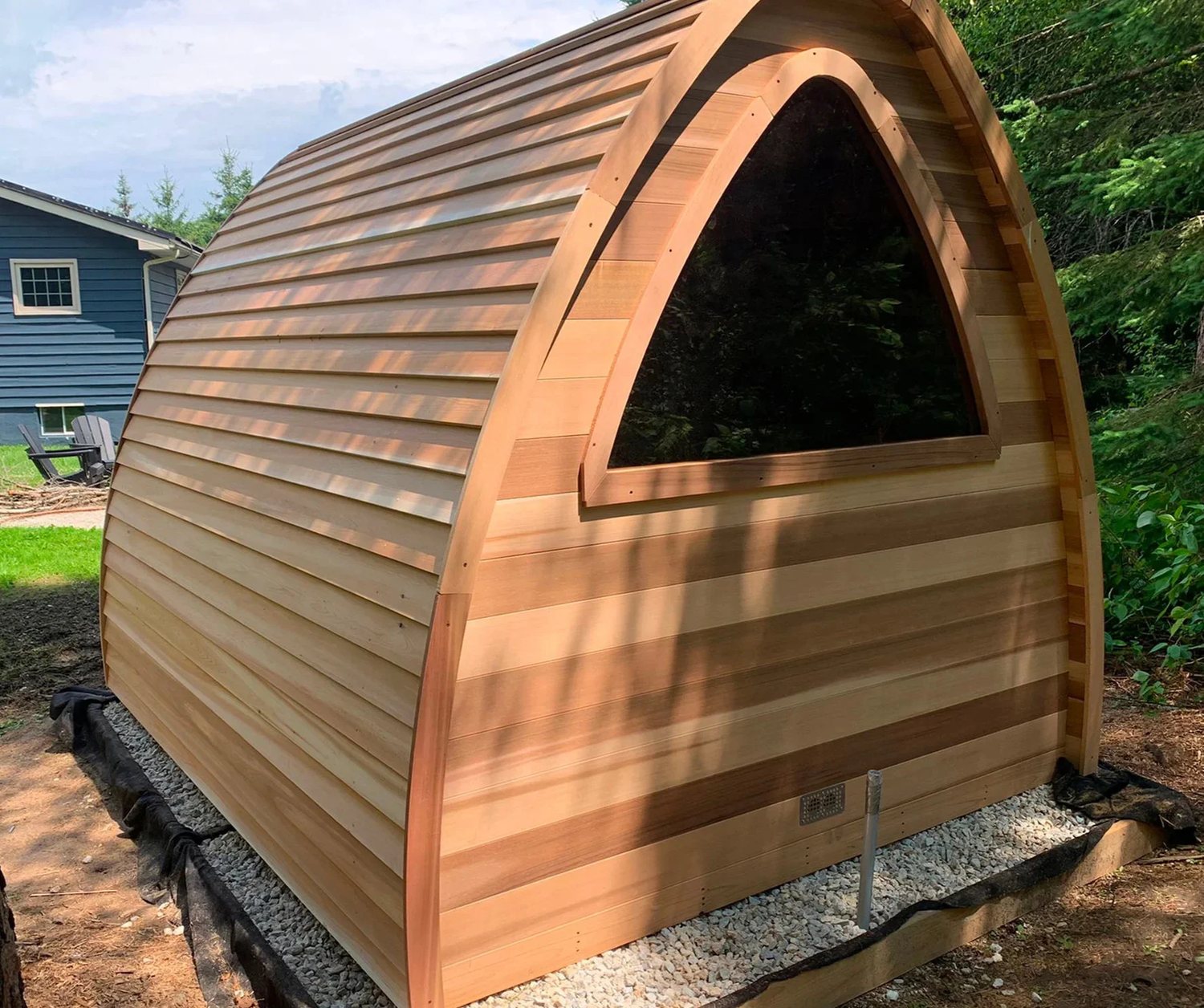
Product views
Send us this model code
CSA-68 | bennett@csauna.com | WhatsApp / Phone: +86 180 7047 6405
Buyer-file detail
CSA-68 production, packing, and RFQ checks
The design team checks these items before the drawing is locked. They decide whether the buyer receives a repeatable sauna model or only a good-looking sample.
- curved board sorting
- dome roof cover
- heater or panel route
- door seal
- bench angle
- packing crate
CSA-68 needs the heat language cleaned up for each buyer because dry steam, Finnish sauna, and far-infrared are often used loosely in inquiries.
The dome shape changes the interior wall angle, upper heat movement, packing support, and roof cover method, so the drawing should not be approved from a flat front view only.
Cedar boards should be sorted for visible tone and curvature because mismatched boards are more obvious on a curved shell than on a straight wall.
If infrared panels are requested, panel position, wiring, controller, service access, and market voltage must be confirmed before the buyer compares it with heater models.
If a traditional heater is requested, heater guard, stone package, air intake, exhaust, bench clearance, and sensor location should be listed in the quote.
The roof route should mention membrane, shingles, metal cover, or buyer-specified finish because the curved dome is highly exposed outdoors.
Packing should protect curved boards and glass separately, with carton labels that match the installation sequence.
The RFQ should include heat route, cedar evidence, roof finish, destination climate, electrical standard, accessory list, and whether the buyer needs installation photos.
Final buyer confirmation
CSA-68 should clarify whether the buyer wants a traditional heater, far-infrared panels, or a hybrid discussion before CSauna confirms the technical package.
The dome shell should be reviewed from side and roof angles because curved boards, cover material, and packing support are easy to misread from the front view.
Cedar board sorting matters on this model because color variation becomes more visible when boards follow the curved surface.
If infrared panels are used, CSauna should confirm panel count, wattage, wire channel, controller route, service access, and certification request.
If an electric heater is used, heater guard, stones, sensor, air intake, exhaust, and bench clearance should be documented instead.
The RFQ should include roof finish, destination climate, heat route, cedar evidence, glass style, voltage, and whether installation photos are required.
Packing should keep curved boards, glass, heater or panel package, roof parts, benches, and small hardware in clearly marked groups.
The buyer should approve the final dome profile before production because changing curve height later affects material usage and crate length.