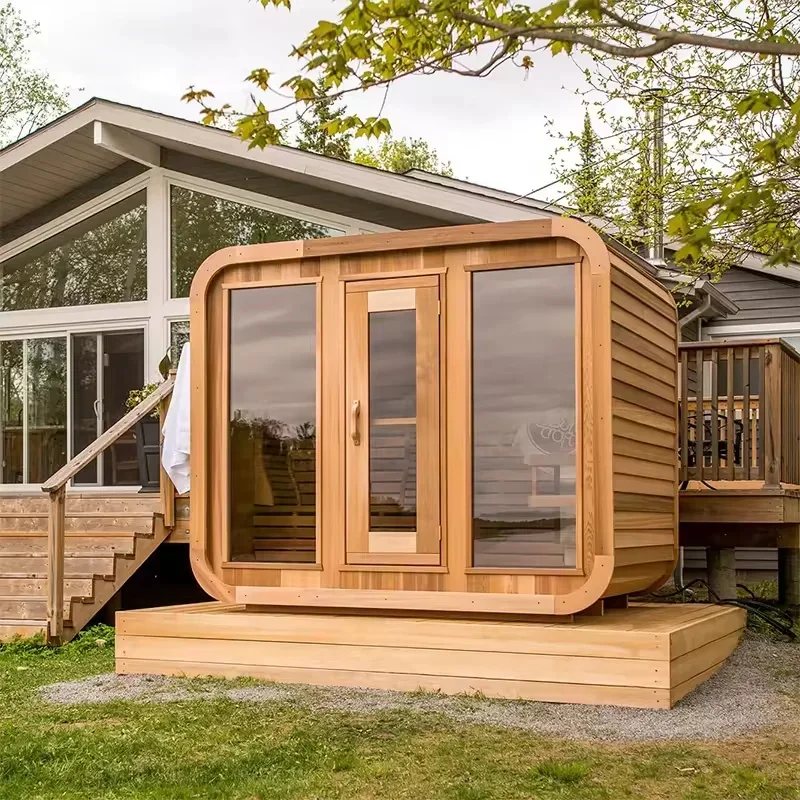
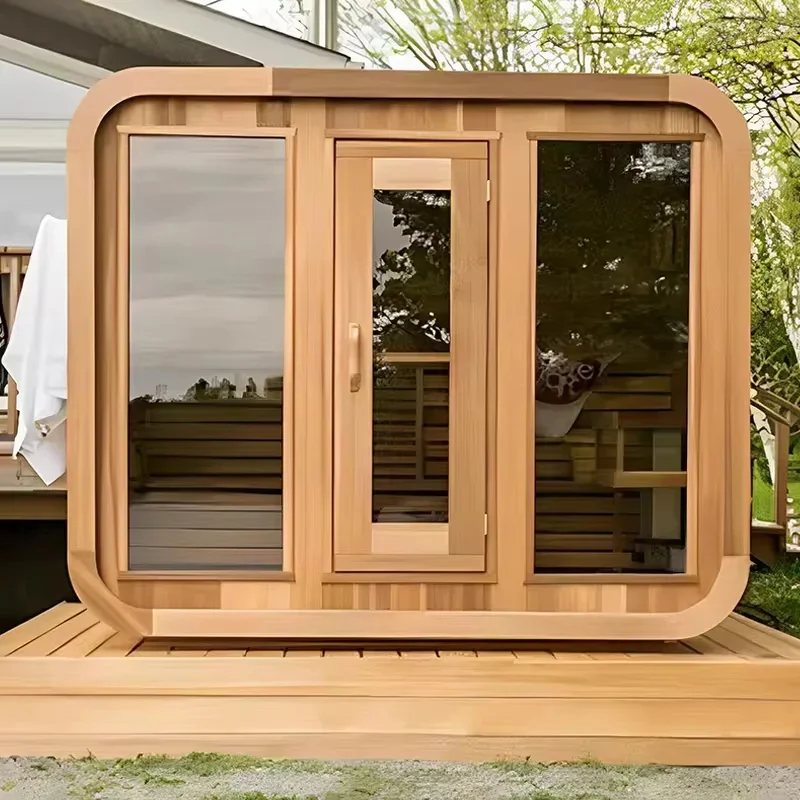
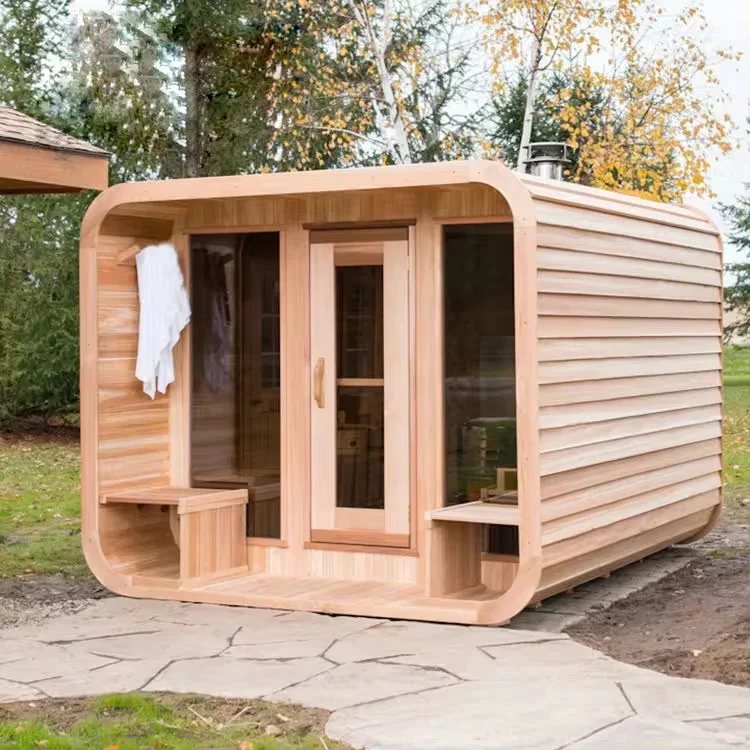
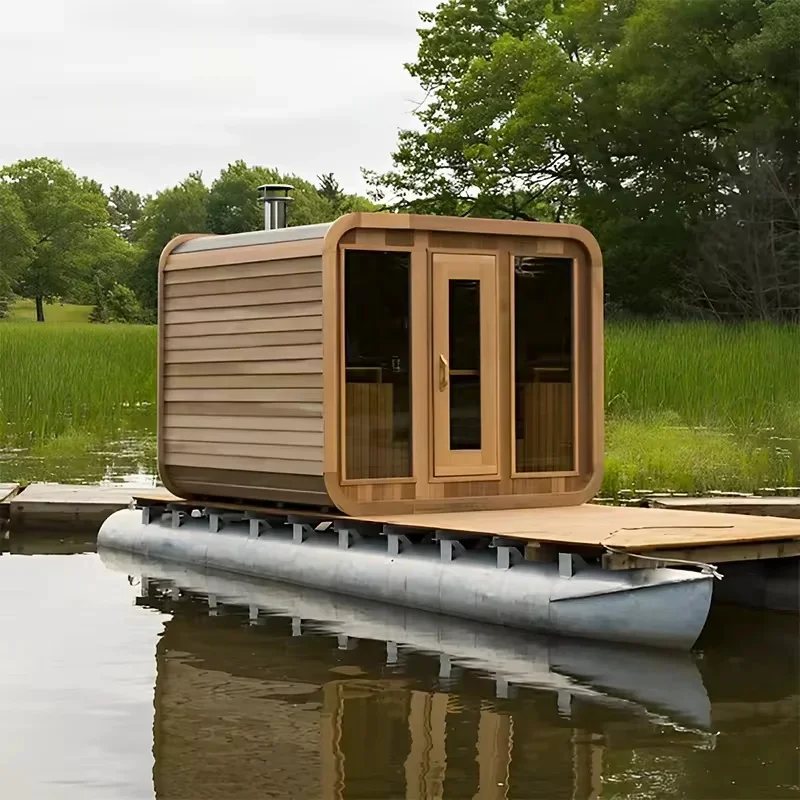
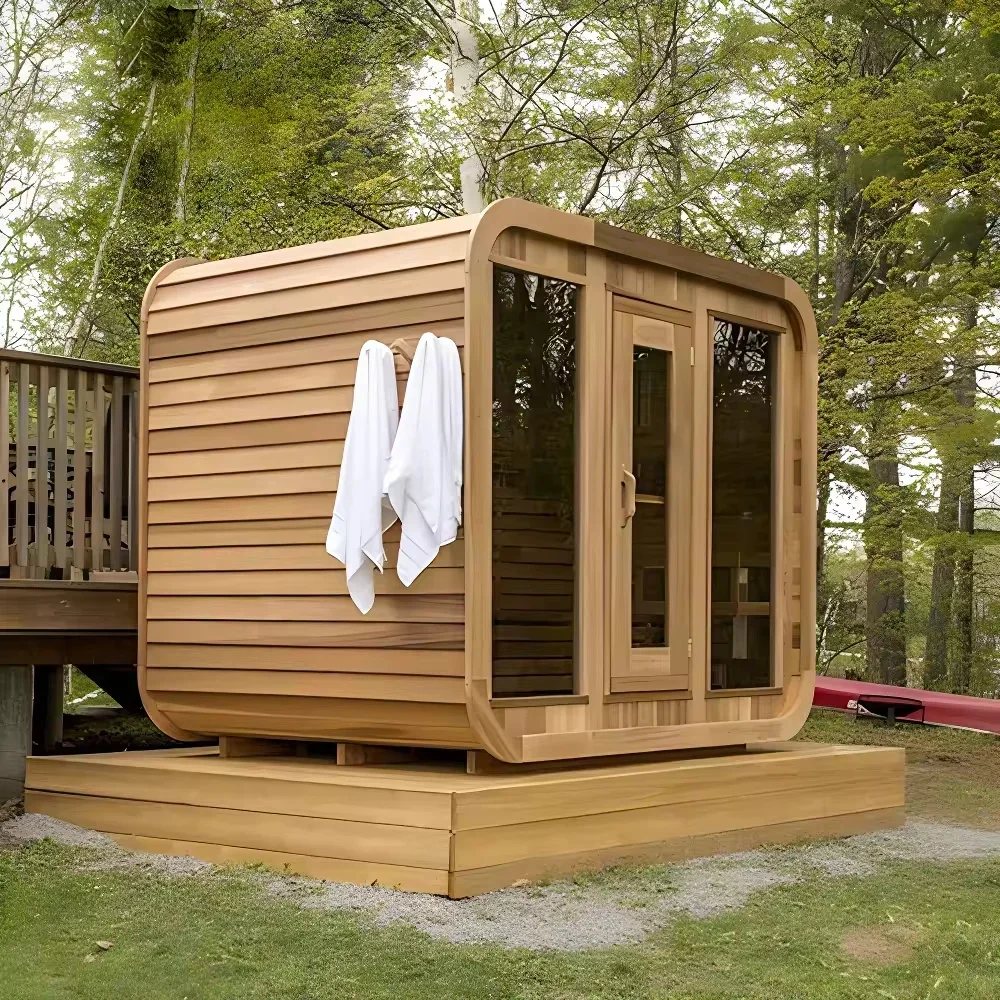
Specifications and options for CSA-67
Use CSA-67 as the visual reference, then confirm capacity, size, heater voltage, wood finish, glass direction, MOQ, packing, and document needs before quotation.
| Model | CSA-67 |
|---|---|
| Type | Cube sauna |
| Use setting | Outdoor |
| Capacity | Confirm by layout |
| Wood / finish | Cedar or cedar-style finish |
| Heater | Heater selected for destination market |
| Glass | Door and glass layout matched to model |
Use CSA-67 as the visual model reference. Final size, bench layout, heater, glass, voltage, packing, and document route are locked after the approved drawing.
Product views
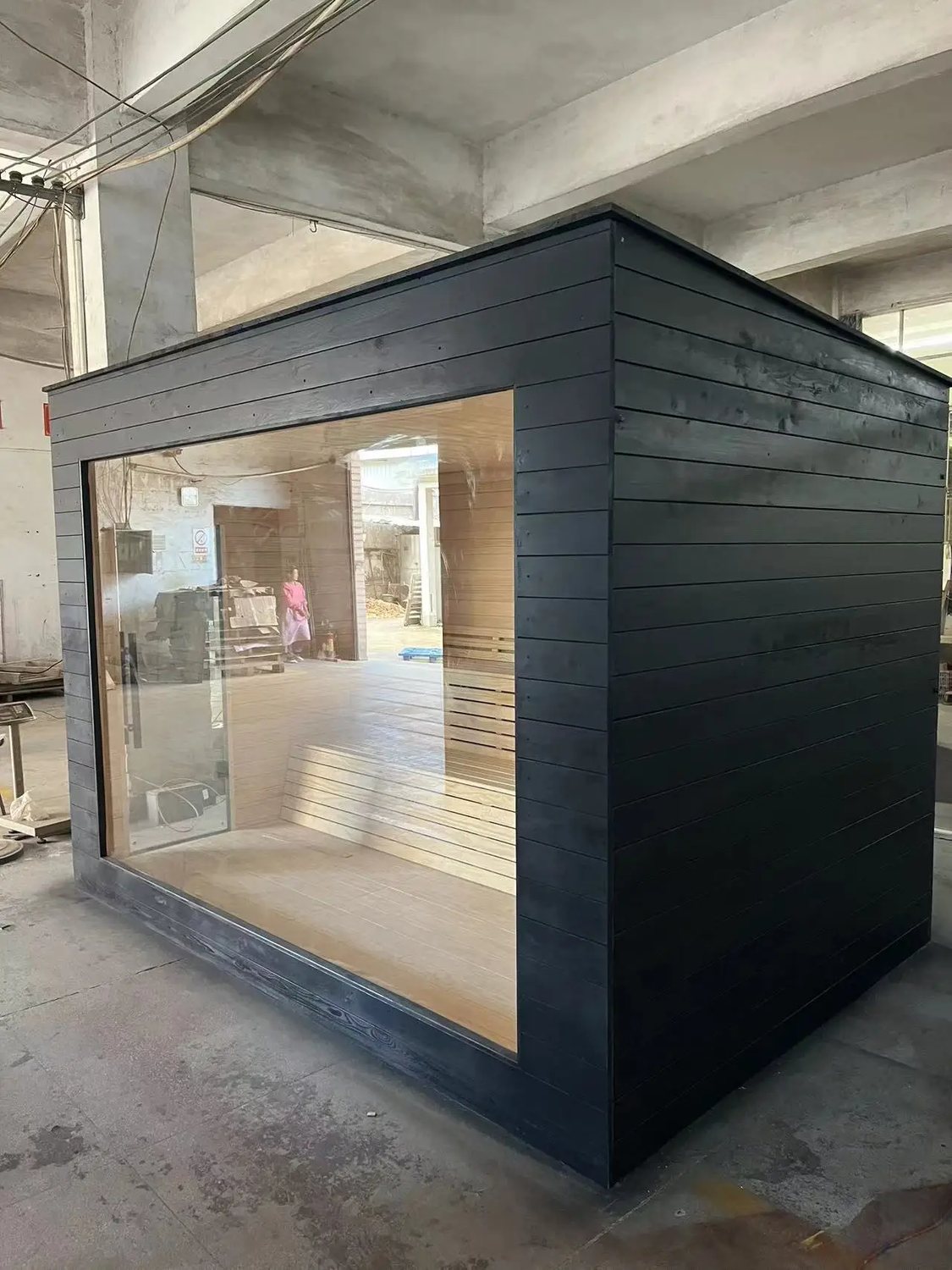
Send us this model code
CSA-67 | bennett@csauna.com | WhatsApp / Phone: +86 180 7047 6405
Buyer-file detail
CSA-67 production, packing, and RFQ checks
The design team checks these items before the drawing is locked. They decide whether the buyer receives a repeatable sauna model or only a good-looking sample.
- wet or dry scope
- cedar certificate
- glass wall size
- floor drainage
- bench clearance
- controller position
CSA-67 should not use vague wet-and-dry wording; the buyer needs to know whether the order is a dry sauna, a water-tolerant interior, or a steam-style project.
Canadian red cedar should be tied to the certificate file, import evidence, board selection, and the surfaces actually visible to the end buyer.
For wet discussions, drainage, floor slope, waterproof layer, door seal, and ventilation become more important than decorative exterior language.
For dry sauna use, heater size, stone volume, glass area, air intake, exhaust, and bench distance decide whether the room feels stable in daily operation.
Glass-front cube cabins need stronger packaging planning because the largest visible part is also the most fragile shipment component.
MOQ can start with one sample, but repeat orders should define cedar color tolerance, glass style, heater brand preference, labels, manuals, and spare parts.
The quote should separate cedar upgrade, wet-use changes, heater or controller package, glass choice, and packing method so the buyer can compare suppliers fairly.
The RFQ should include destination climate, indoor or outdoor placement, dry or wet expectation, certificate needs, and whether the model is for dealer display.
Final buyer confirmation
CSA-67 should use Canadian red cedar evidence as a trust asset, especially when the buyer plans to resell the model as a premium wet-and-dry cube.
The phrase wet and dry should be translated into real construction choices such as drainage, floor slope, waterproof trim, ventilation, and heater route.
If the project remains a dry sauna, CSauna should avoid overpricing unnecessary wet-room parts and focus on heater, glass, and cedar confirmation.
If the project needs water tolerance, the buyer should approve door seal, base protection, drain outlet, and cleaning routine before production.
The glass wall should be checked for privacy, heat loss, packing cost, and replacement risk before it becomes a fixed quote item.
The RFQ should list cedar certificate needs, target market, indoor or outdoor placement, voltage, heater route, glass direction, and packing method.
A dealer sample should include cedar close-ups, glass seal photos, bench photos, heater nameplate, carton marks, and manual language.
Repeat orders should lock cedar color tolerance, controller package, accessory list, spare seals, and QC photo requirements.