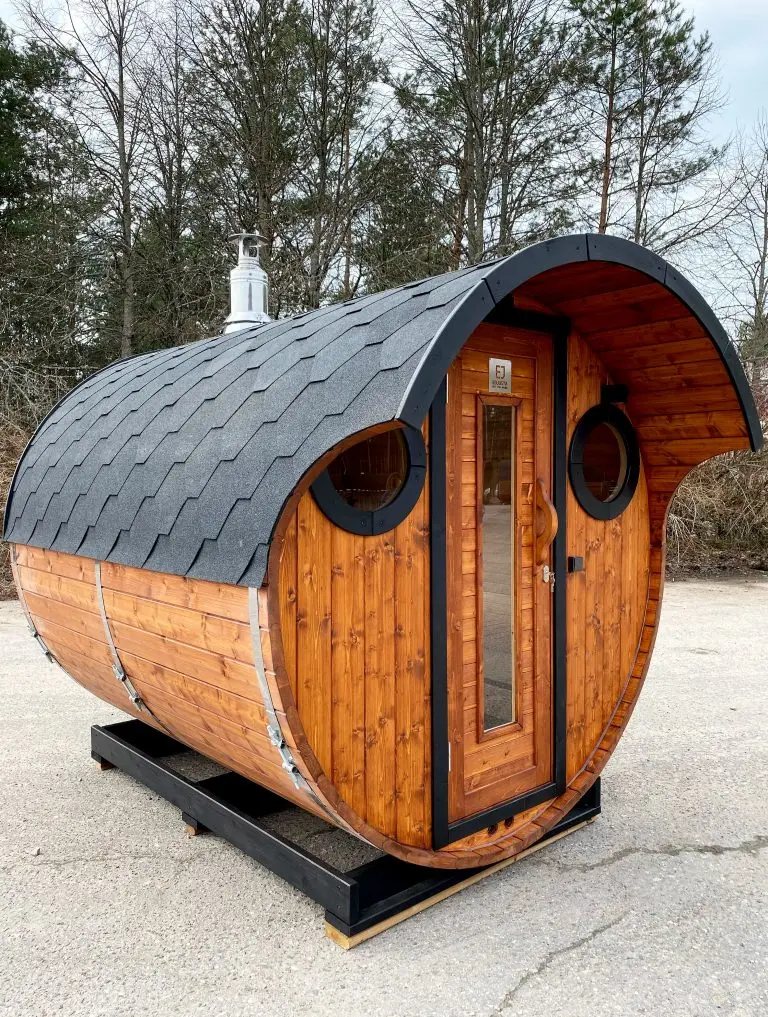
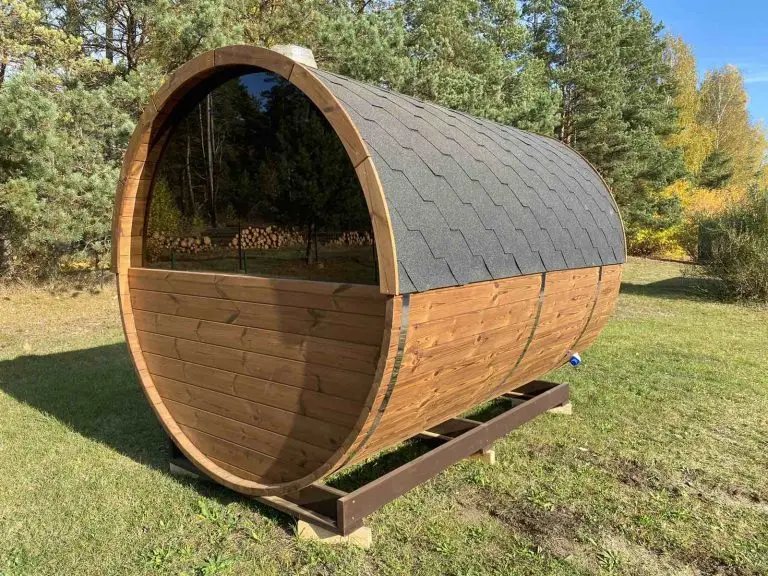
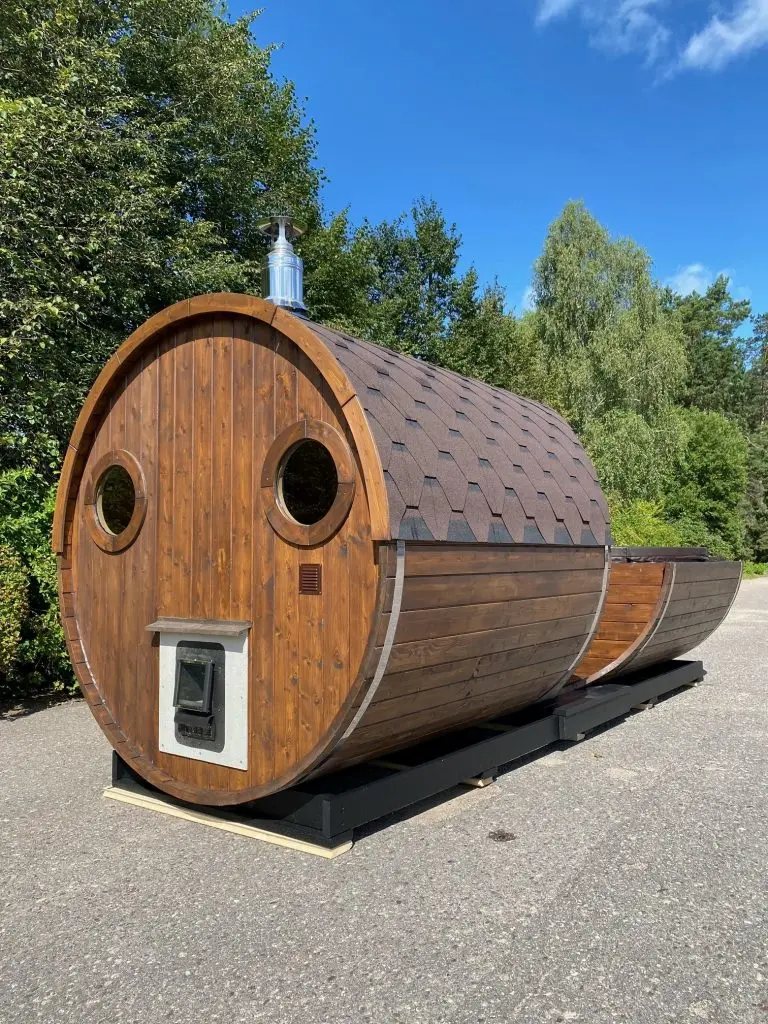
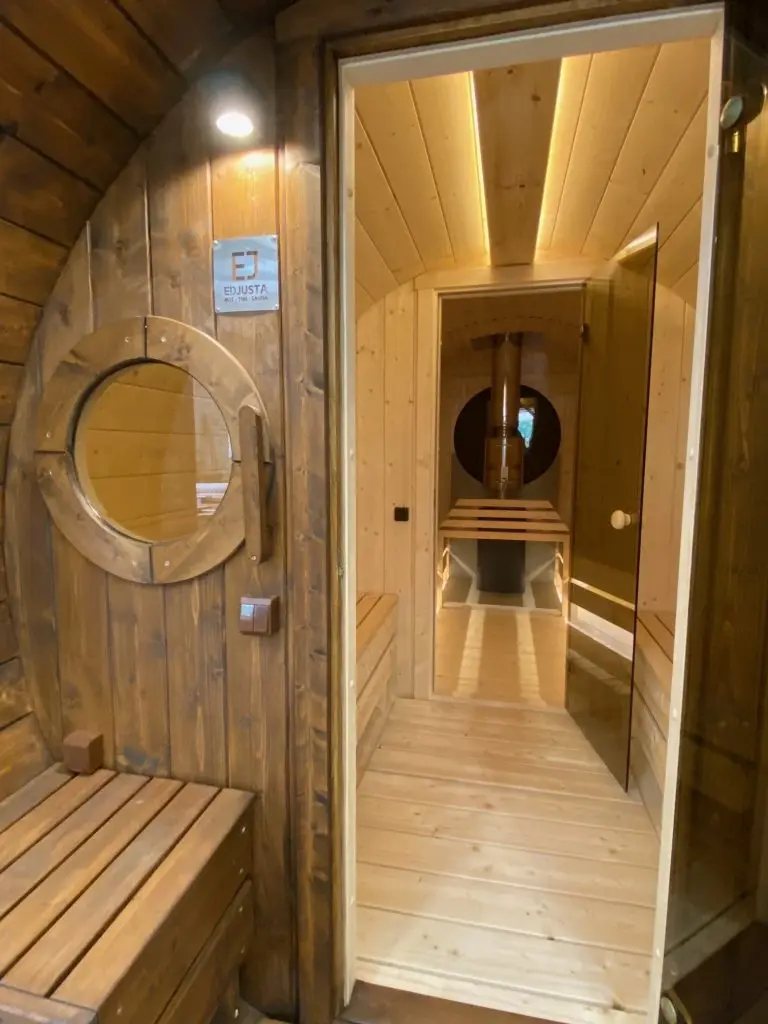
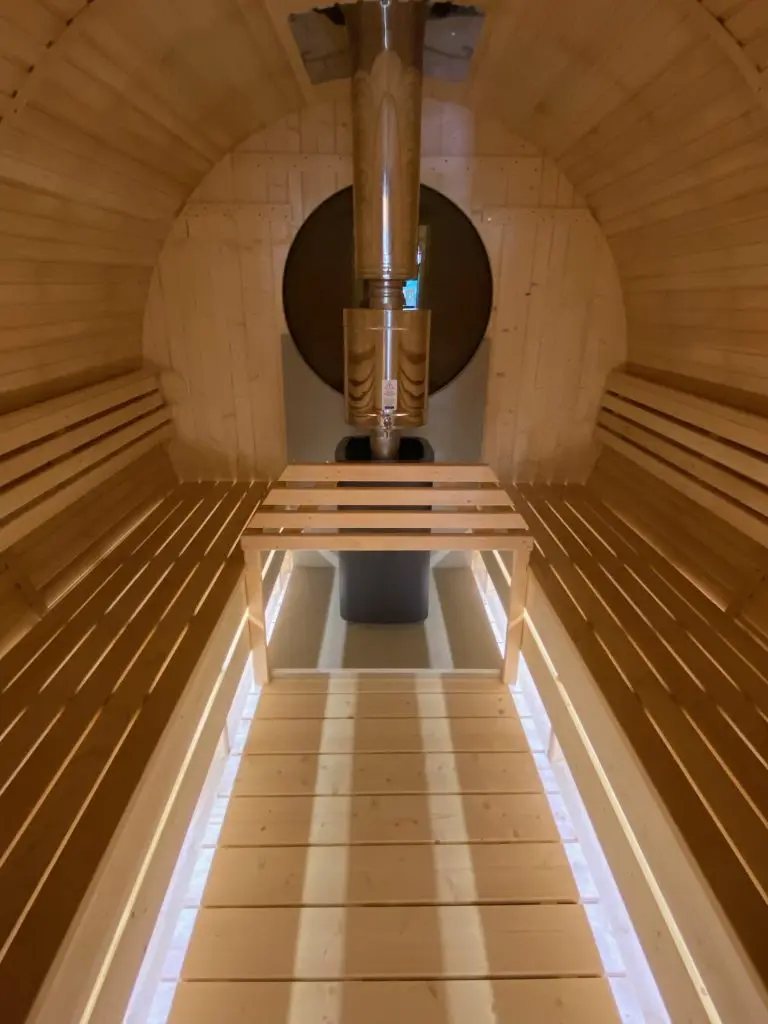
Specifications and options for CSA-31
Use CSA-31 as the visual reference, then confirm capacity, size, heater voltage, wood finish, glass direction, MOQ, packing, and document needs before quotation.
| Model | CSA-31 |
|---|---|
| Type | Barrel sauna |
| Use setting | Outdoor |
| Capacity | 4-6 person |
| Wood / finish | Project wood species options |
| Heater | Heater selected for destination market |
| Glass | Window layout shown by model; door direction confirmed by drawing |
Use CSA-31 as the visual model reference. Final size, bench layout, heater, glass, voltage, packing, and document route are locked after the approved drawing.
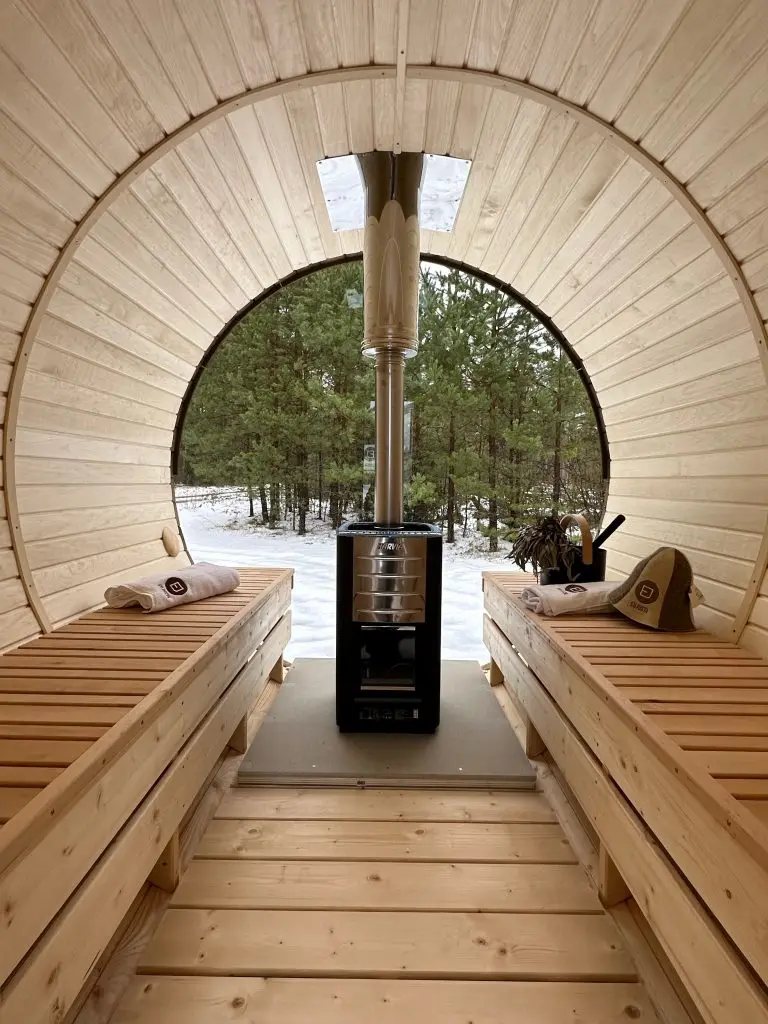
Product views
Send us this model code
CSA-31 | bennett@csauna.com | WhatsApp / Phone: +86 180 7047 6405
Buyer-file detail
CSA-31 production, packing, and RFQ checks
The design team checks these points before the drawing is locked. They decide whether the buyer receives a repeatable model or only a good-looking sample.
- barrel diameter
- round-window seal
- bench length
- roof shingle edge
- crate length
CSA-31 should make the round-window scope clear because a window changes seal inspection and packing risk.
The buyer should confirm whether the round window is decorative, a real viewing feature, or part of a private-label sample.
Barrel band tension, end-wall alignment, and window seal should be photographed before packing.
If red cedar is chosen, origin or supplier evidence should be attached when the buyer asks for premium wood proof.
If pine or thermo pine is chosen, the outdoor finish and roof shingle route should be written more clearly.
Electric heater routes should name kW, voltage, controller, stones, guard distance, and certificate request.
Wood-burning routes should separate stove, chimney, heat shield, flue penetration, and local installation responsibility.
Packing should protect curved boards, end-wall windows, heater or stove cartons, roof parts, manuals, labels, and spare hardware separately.
MOQ can start from one sample set; repeat MOQ should wait until wood, window, heater, roof, and label files are stable.
The RFQ should include destination climate, voltage, heat route, round-window preference, unloading method, and sample or batch plan.
Buyer-file detail
CSA-31 additional production checks
CSA-31 needs a buyer file that names barrel diameter, usable bench length, round-window seal detail, and final crate length before the sample is approved.
If the round window is used as a showroom feature, the factory photos should include outside view, inside seal, and packed glass protection.
The buyer should decide whether cedar aroma, thermo-wood stability, or pine cost control matters most before comparing this model with other barrels.
For electric heat, confirm 220-240 V, 380-415 V, or 240 V market route together with heater kW, controller, stones, and guard distance.
For wood-fired heat, confirm chimney exit, heat shield, flue carton, stove manual, and local installer responsibility separately from the sauna shell.
Outdoor maintenance should mention roof shingle care, barrel band inspection, wood oil or finish interval, and window-seal checking after seasonal use.
The RFQ should include destination climate, preferred wood, heater route, window preference, sample quantity, packing mark, and unloading method.
If this becomes a distributor SKU, freeze the barrel band style, roof color, window supplier, heater file, manual language, and carton label.
Packing inspection should show curved boards, end-wall window, bench boards, roof cover, heater or stove carton, small hardware, and visible labels.
A resort buyer may need spare seals or spare handles in the first order because round-window replacement lead time can affect opening schedules.
CSA-31 should stay connected to one model code across product page, RFQ, drawing, inspection photos, packing list, and customer handoff.