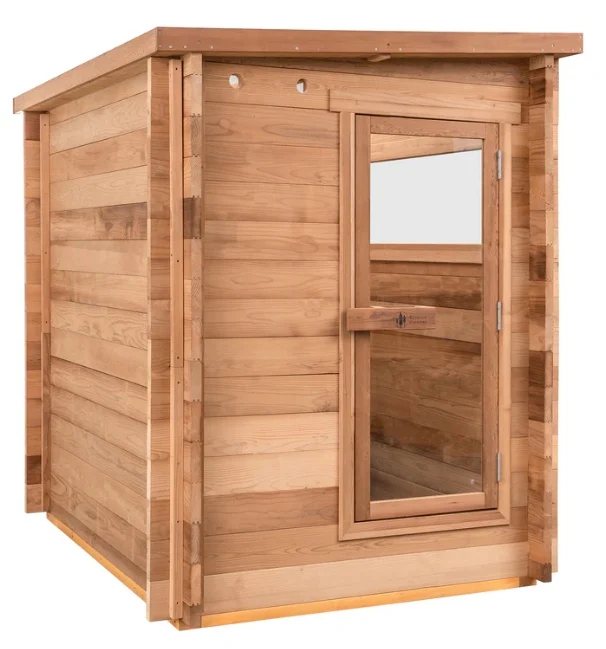
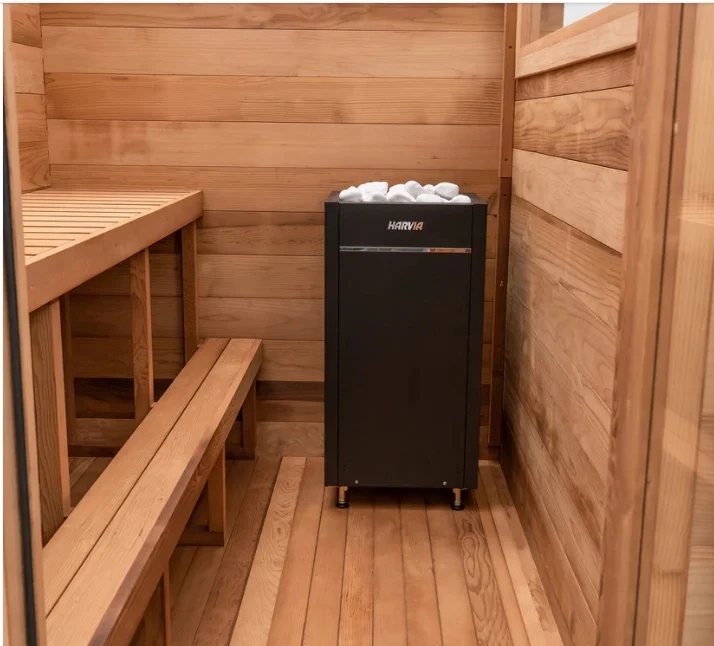
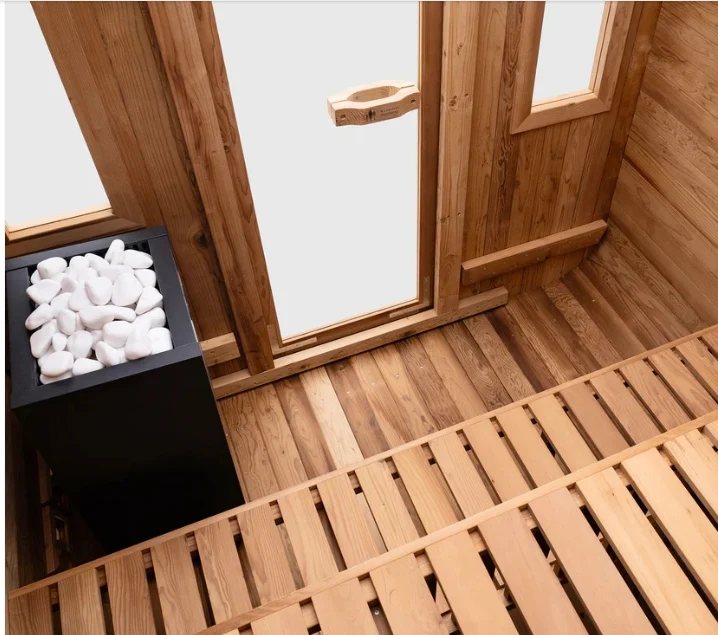
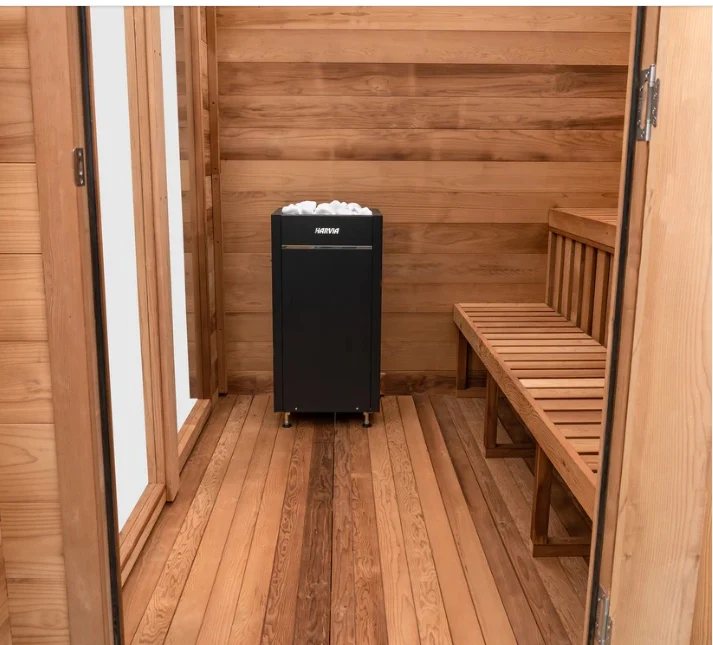

Specifications and options for CSA-70
Use CSA-70 as the visual reference, then confirm capacity, size, heater voltage, wood finish, glass direction, MOQ, packing, and document needs before quotation.
| Model | CSA-70 |
|---|---|
| Type | Commercial sauna |
| Use setting | Outdoor |
| Capacity | 4 person |
| Wood / finish | Project wood species options |
| Heater | Heater selected for destination market |
| Glass | Door and glass layout matched to model |
Use CSA-70 as the visual model reference. Final size, bench layout, heater, glass, voltage, packing, and document route are locked after the approved drawing.
Product views
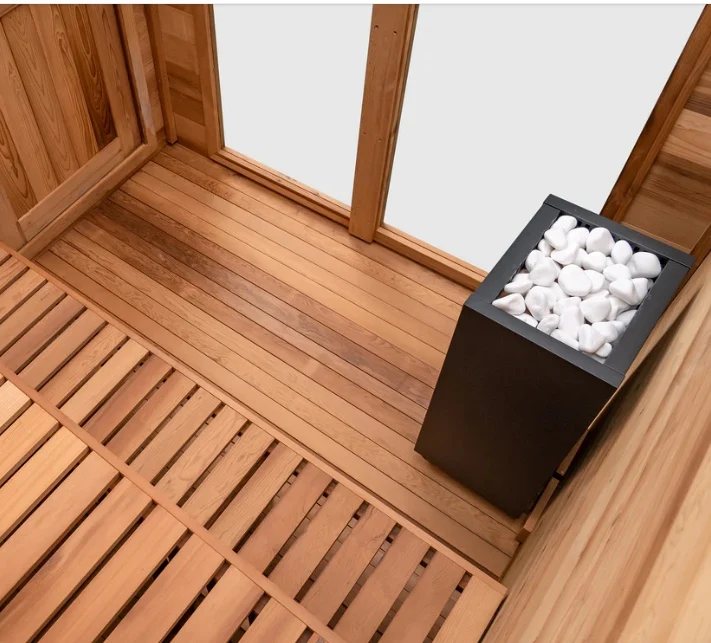
Send us this model code
CSA-70 | bennett@csauna.com | WhatsApp / Phone: +86 180 7047 6405
Buyer-file detail
CSA-70 production, packing, and RFQ checks
The design team checks these items before the drawing is locked. They decide whether the buyer receives a repeatable sauna model or only a good-looking sample.
- daily use level
- bench support
- commercial heater
- door hardware
- cleaning access
- warranty file
CSA-70 should be discussed from usage intensity first because a hotel or gym sauna needs different bench support, door hardware, cleaning access, and spare parts than a home model.
The buyer should state expected daily sessions, public or private access, opening hours, local installer role, and whether the project needs submittal documents.
Wood selection should balance appearance, heat comfort, maintenance, replacement-board availability, and price rather than only choosing the most attractive surface.
Commercial heaters should be reviewed for kW, voltage, phase, controller lockout, sensor, guard, stones, certificate request, and maintenance access.
Outdoor placement adds roof protection, ground clearance, drainage, glass cleaning, wind direction, cable exit protection, and unloading constraints.
The quote should separate sample price, project batch price, spare parts, manuals, inspection photos, packing method, and certificate support.
Packing should use stronger marks and a cleaner carton list because project buyers often pass the shipment file to contractors rather than opening it themselves.
The RFQ should include project type, destination, quantity, operating intensity, heater standard, wood choice, inspection requirement, and requested handover documents.
Final buyer confirmation
CSA-70 should begin with usage intensity because commercial cabins need stronger bench support, cleaner service access, and a clearer warranty file.
A hotel, gym, or spa buyer should state expected daily sessions, public access level, cleaning routine, local installer role, and handover document needs.
Commercial heater selection should include kW, voltage, phase, controller lockout, sensor, guard, stones, certificate request, and spare-parts expectation.
Wood choice should be discussed through maintenance and replacement policy, not only through the first appearance of the sample.
Outdoor commercial placement should confirm roof cover, ground clearance, drainage, glass cleaning, cable protection, and unloading constraints.
The RFQ should separate sample price, batch price, spare parts, packing method, inspection photos, and certificate support.
Packing should include a cleaner carton list because project buyers often pass the shipment file directly to contractors.
The final buyer file should show exterior, interior, bench, heater, door hardware, roof, carton labels, and any maintenance parts before shipment.
For a commercial project, CSauna should also record the buyer’s acceptance standard for visible wood tone, glass cleaning marks, hardware finish, and carton damage notes.