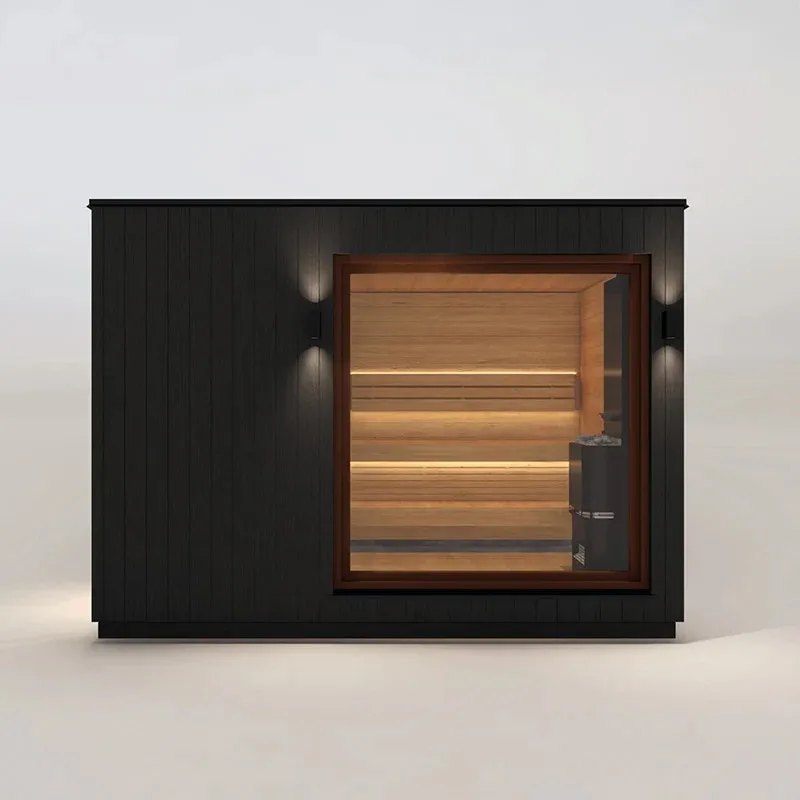
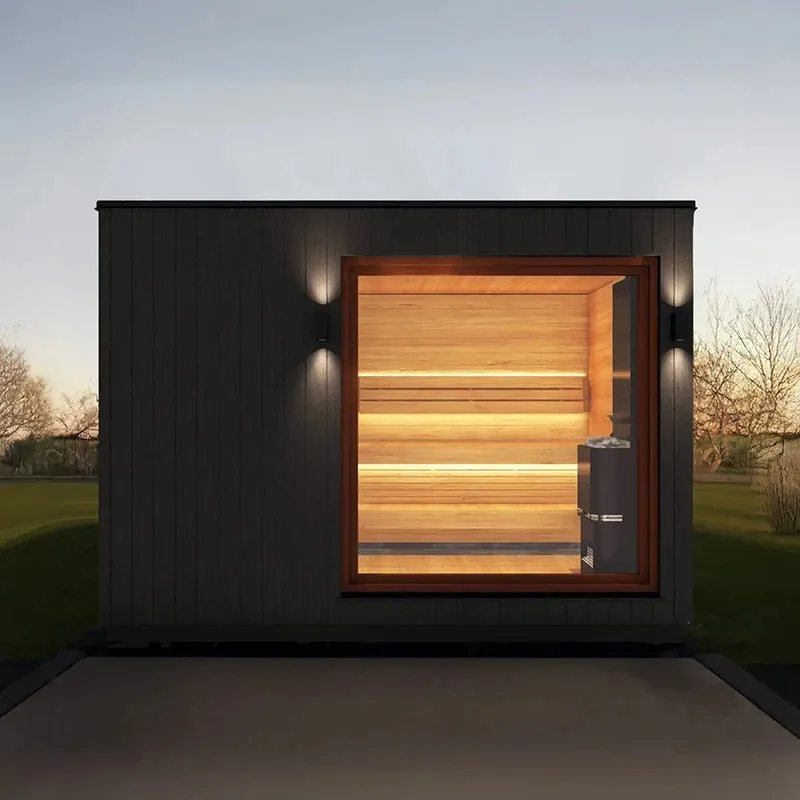
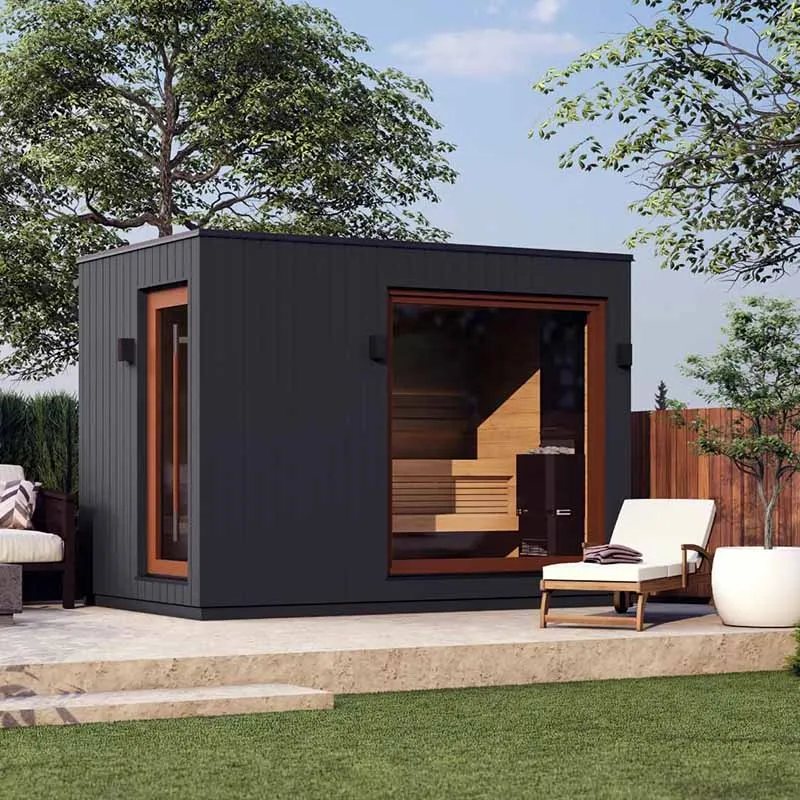
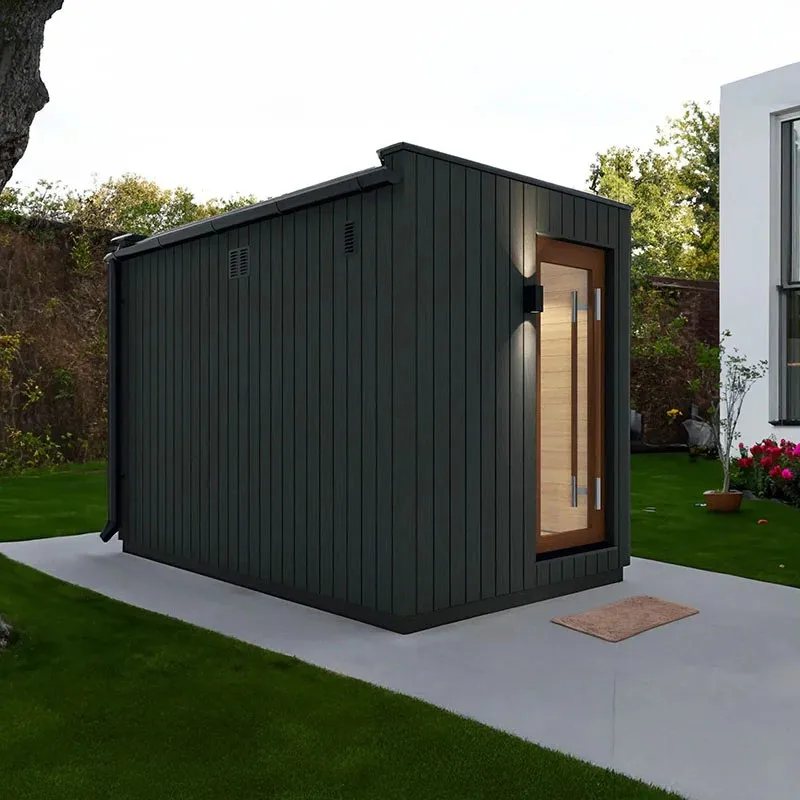
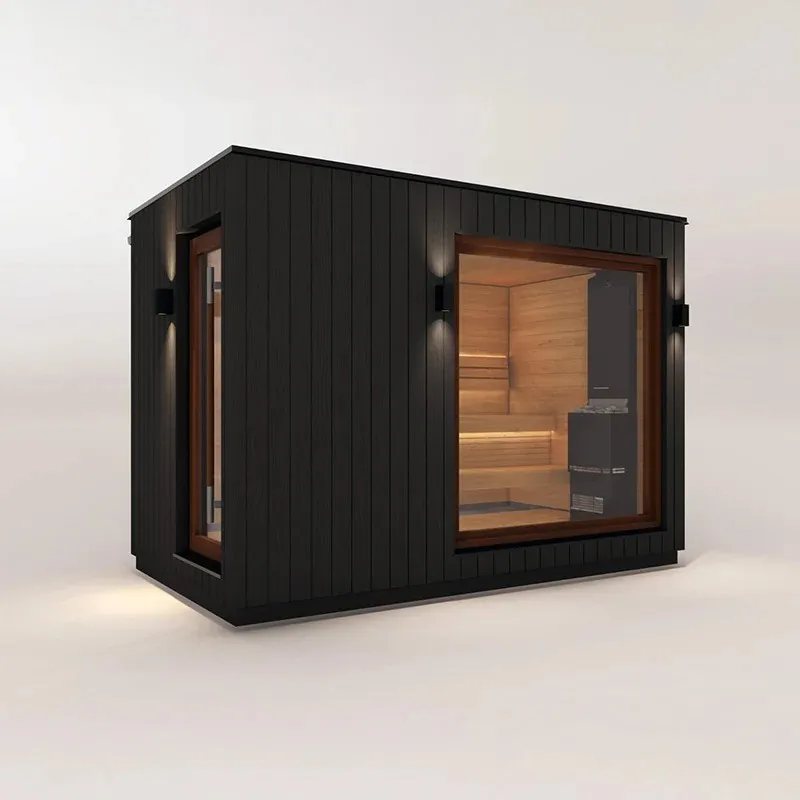
Specifications and options for CSA-46
Use CSA-46 as the visual reference, then confirm capacity, size, heater voltage, wood finish, glass direction, MOQ, packing, and document needs before quotation.
| Model | CSA-46 |
|---|---|
| Type | Outdoor sauna cabin |
| Use setting | Outdoor |
| Capacity | 4-6 person |
| Wood / finish | Solid wood construction; species and finish confirmed from project requirements |
| Heater | Electric heater option |
| Glass | Door and glass layout matched to model |
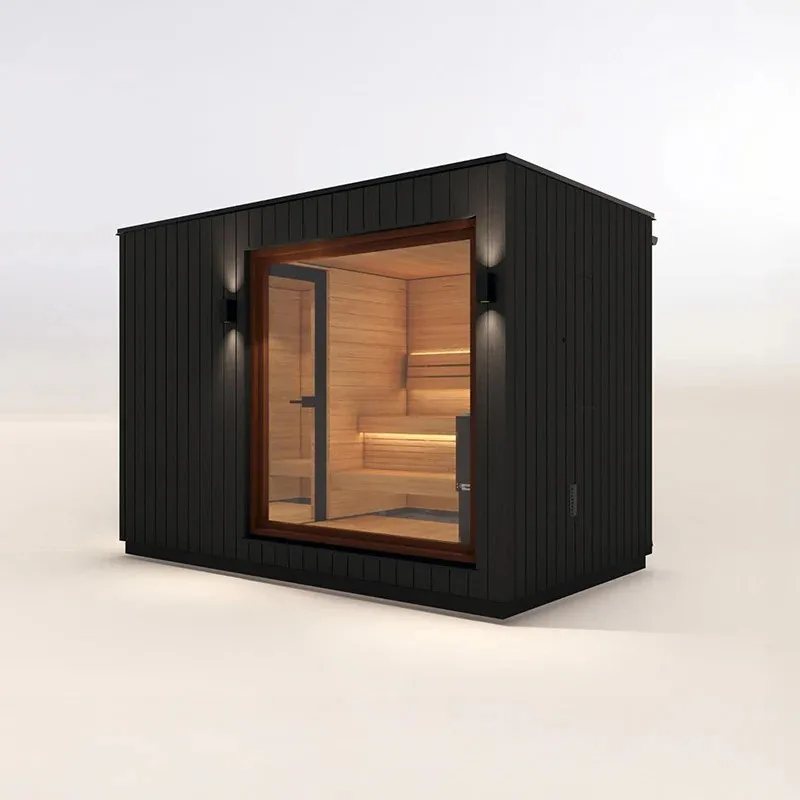
Use CSA-46 as the visual model reference. Final size, bench layout, heater, glass, voltage, packing, and document route are locked after the approved drawing.
Product views
Send us this model code
CSA-46 | bennett@csauna.com | WhatsApp / Phone: +86 180 7047 6405
Buyer-file detail
CSA-46 production, packing, and RFQ checks
The design team checks these points before the drawing is locked. They decide whether the buyer receives a repeatable model or only a good-looking sample.
- double-shell definition
- wall build evidence
- 4-6 person bench
- heater sizing
- roof edge
CSA-46 should explain what double shell means in the buyer file because the phrase can affect expectations for insulation and price.
The buyer should confirm whether the second shell is structural, decorative, weather protection, or an insulation-related construction detail.
Wall-build photos should show enough detail for the buyer to understand why this model differs from a normal outdoor cabin.
Four-to-six capacity should be checked through bench length, circulation, heater guard, and usable interior width.
Heater route should include kW, voltage, controller, sensor, stones, guard, certification questions, and manual language.
A cold-climate buyer may need stronger heater planning and clearer exterior maintenance notes than a mild-climate buyer.
Packing should separate wall panels, roof parts, bench boards, heater carton, labels, manuals, and small hardware by drawing sequence.
Factory photos should include wall build detail, front, side, bench, heater label, roof edge, and packed cartons.
The RFQ should include climate, expected user count, wall-build expectation, wood species, voltage, roof color, and unloading access.
MOQ can begin from one sample, but repeat MOQ should wait until wall build, heater, finish, and label set are stable.
CSA-46 should turn a technical phrase into a clear production scope instead of leaving buyers to guess.
The final file should let sales, drawing, production, packing, and after-sales teams use the same model definition.
Buyer-file detail
CSA-46 additional production checks
CSA-46 should include a construction-scope note that defines double shell in a way sales, design, production, and the buyer can all read the same way.
The buyer should receive wall-build photos before shipment if the double-shell route affects price or insulation expectations.
If the project is in a cold region, heater sizing should be reviewed with room volume, wall build, glass area, and target heat-up time.
If the project is in a humid region, the buyer file should discuss exterior coating, ventilation, base clearance, and fastener care.
Packing should group wall panels by installation sequence so the double-shell structure does not confuse the site team.
The RFQ should ask whether the buyer needs stronger structure, stronger insulation, a visual double wall, or a specific private-label claim.
A quality photo set should show exterior wall, interior wall, roof edge, bench, heater side, and packed labels.
CSA-46 should turn the double-shell wording into a visible production decision rather than a vague technical phrase.