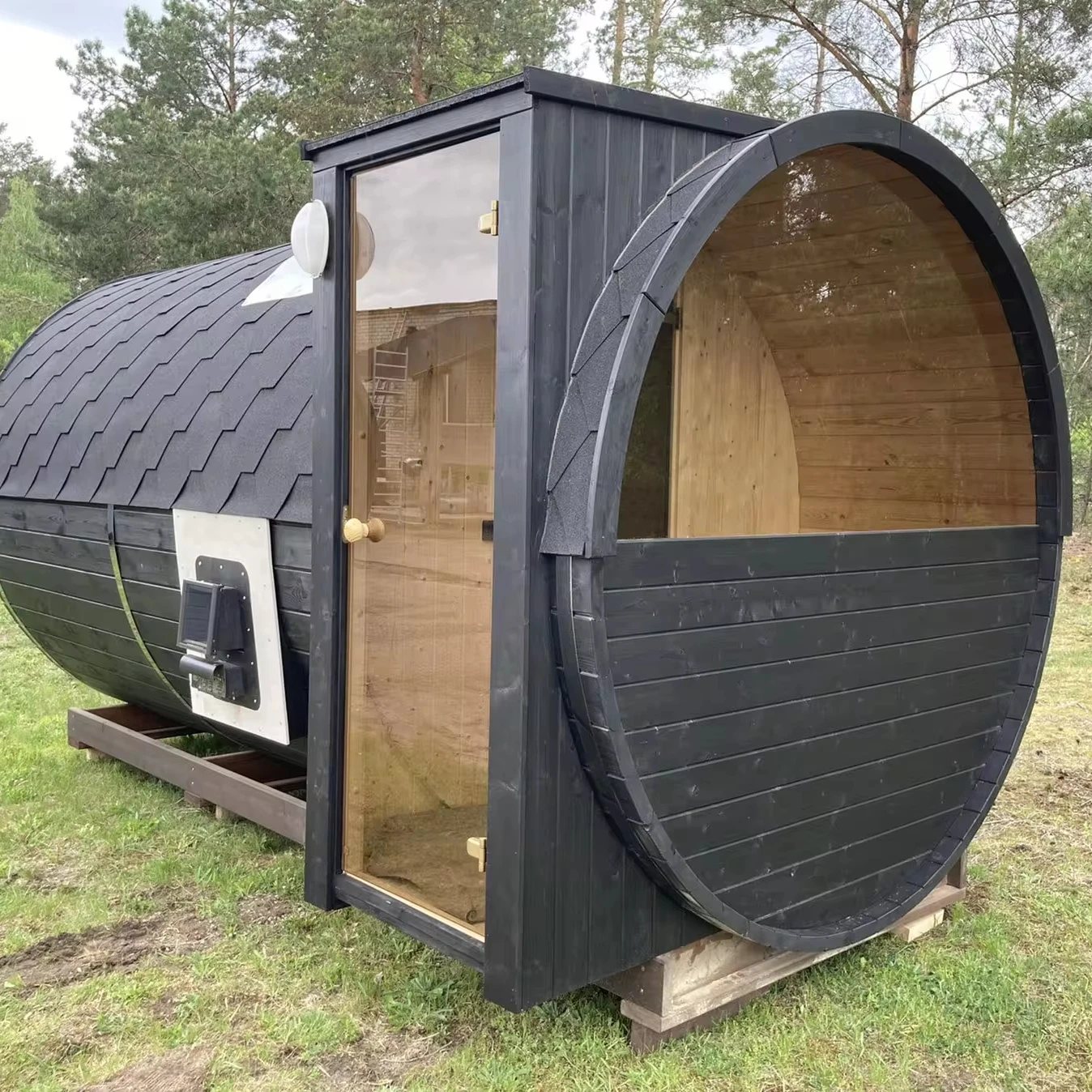
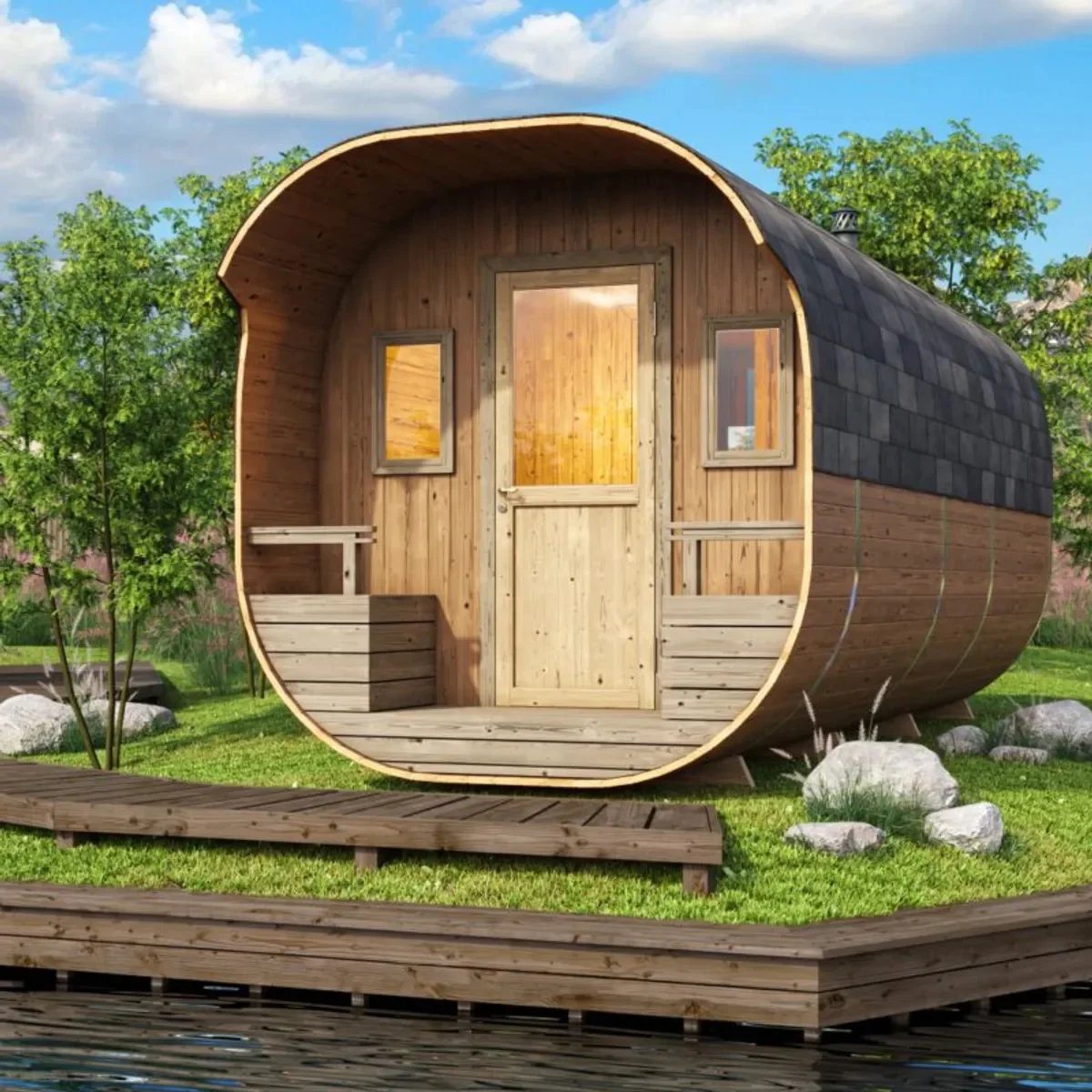
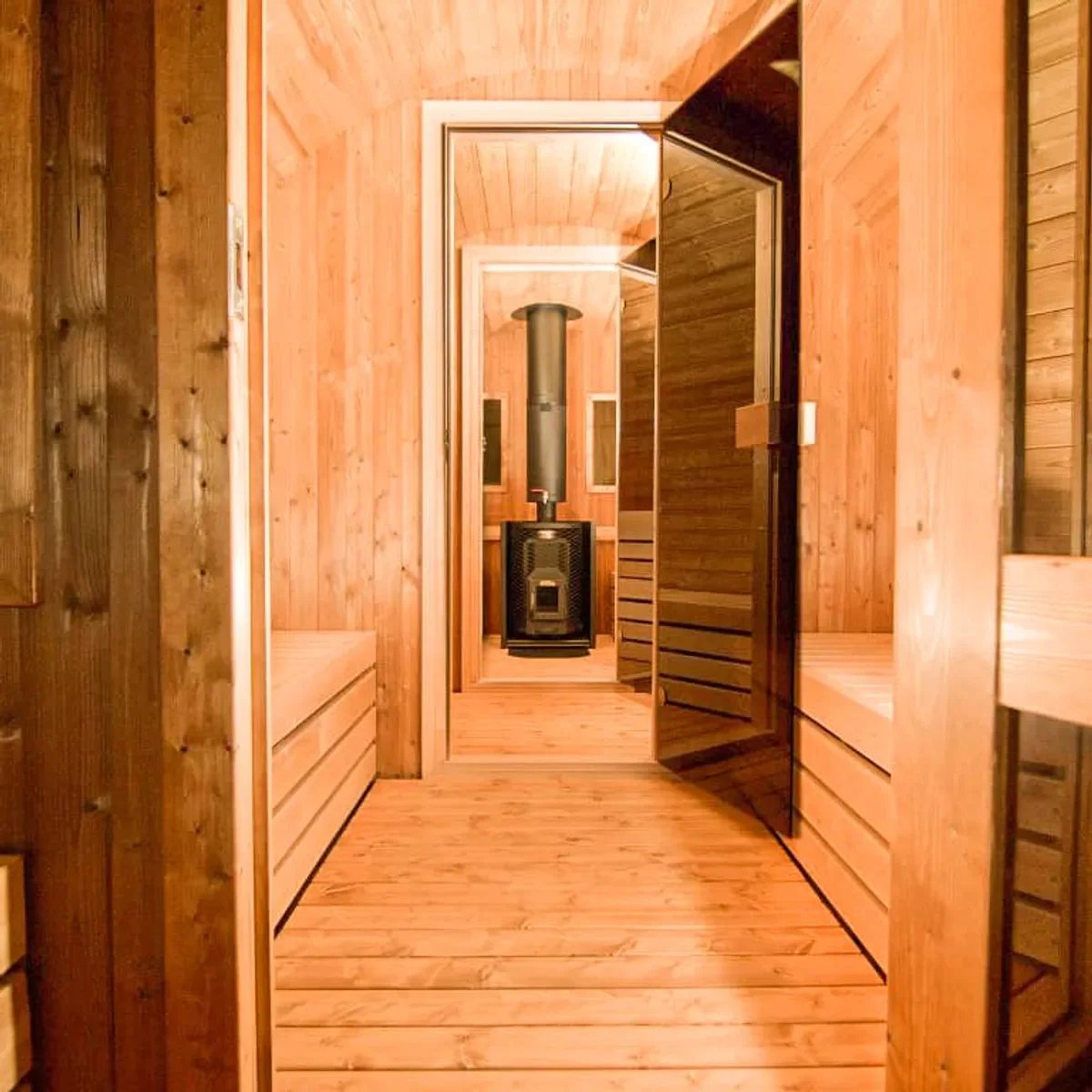
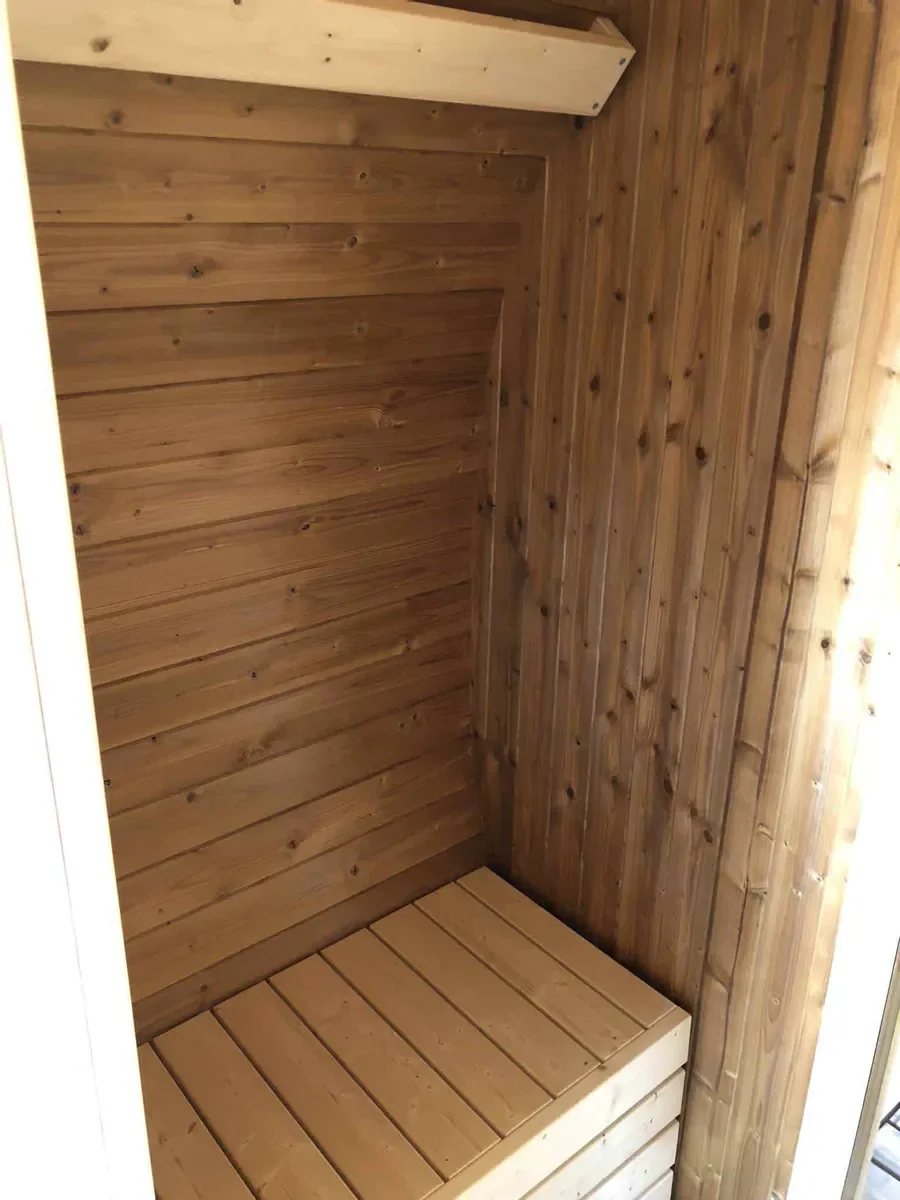
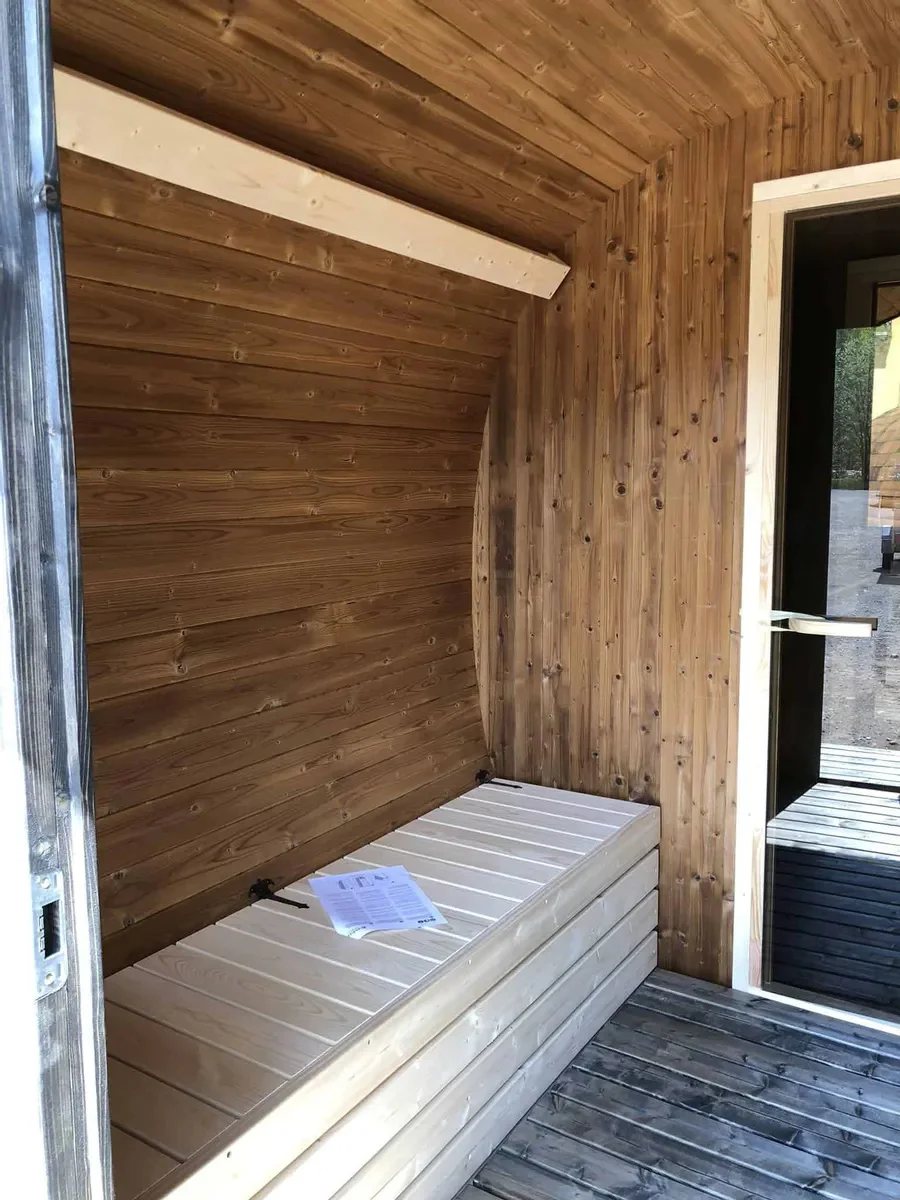
Specifications and options for CSA-90
Use CSA-90 as the visual reference, then confirm capacity, size, heater voltage, wood finish, glass direction, MOQ, packing, and document needs before quotation.
| Model | CSA-90 |
|---|---|
| Type | Barrel sauna |
| Use setting | Outdoor |
| Capacity | 2 person |
| Wood / finish | Solid wood construction; species and finish confirmed from project requirements |
| Heater | Wood stove route; flue and clearance confirmed by market |
| Glass | Door and glass layout matched to model |
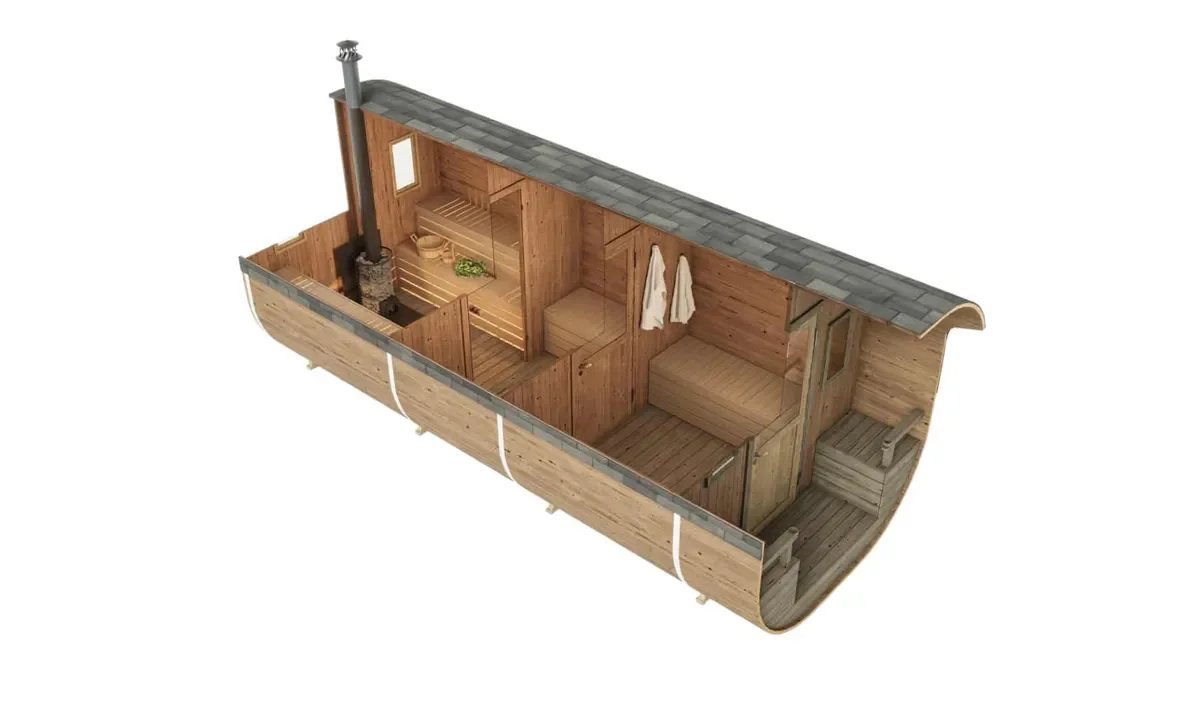
Use CSA-90 as the visual model reference. Final size, bench layout, heater, glass, voltage, packing, and document route are locked after the approved drawing.
Product views
Send us this model code
CSA-90 | bennett@csauna.com | WhatsApp / Phone: +86 180 7047 6405
Buyer-file detail
CSA-90 production, packing, and RFQ checks
The design team checks these items before the drawing is locked. They make the page more useful for sourcing, quotation, inspection, and repeat-order handoff.
- 2 person layout
- stove clearance
- chimney kit
- barrel diameter
- door swing
- crate length
CSA-90 should be reviewed as a 2 person compact wood-burning barrel sauna, so the buyer file needs real specification notes before price is treated as fixed.
The intended buyer fit is small gardens, cabin stays, remote sites, and dealers who need a lower-capacity wood-fired model with clear transport notes, which means CSauna should not copy a different sauna family’s handoff notes onto this model.
Material approval should cover compact barrel boards, stove corner, chimney route, roof cover, door seal, benches, and lower support should be reviewed before order confirmation, because these items decide appearance, service life, and landed-cost comparison.
Heat planning should follow this route: wood-burning package should name stove body, chimney length, heat shield, roof exit, flue parts, ash cleaning, and local installer responsibility.
The first drawing review should check 2 person layout, stove clearance, chimney kit, barrel diameter, door swing, crate length, and each point should be visible in the buyer file.
The inspection evidence should include compact interior photos, stove clearance photos, chimney package, roof exit detail, band detail, and carton labels, not only a finished product photo taken from one angle.
Site planning should record small backyard access, fire-safe clearance, foundation, chimney height, wood storage, and unloading method, since installation conditions can change the quote even when the model name stays the same.
Packing should separate curved boards, bands, stove carton, chimney parts, roof cover, benches, manuals, labels, and spare hardware, so the buyer can match cartons to the drawing after arrival.
The RFQ should include capacity, stove package, chimney length, wood species, roof finish, destination climate, and service-parts request, otherwise the first quote will be too vague for a serious B2B buyer.
Maintenance notes should mention ash cleaning, chimney inspection, stove gasket care, band retightening, and exterior wood finish maintenance, because repeat buyers ask about service before ordering a second container.
MOQ can start from one sample, but repeat orders should wait until the same 2 person compact wood-burning barrel sauna details are approved by the buyer.
If the buyer requests private-label supply, logo position, manual language, carton marks, and spare-parts policy should be checked with this exact model.
If the material route changes later, CSauna should update the title, table, RFQ notes, and inspection list so the public page stays consistent.
If the heater or stove route changes later, CSauna should update voltage, accessory list, certificate request, and packing marks before shipment.
The quotation should separate material upgrade, heat package, glass or door change, roof change, and packing method instead of hiding them in one broad price.
The final buyer handoff should keep drawings, material evidence, heat documents, QC photos, packing list, and after-sales notes in one file.
For mixed-container planning, the buyer should confirm carton size, unloading method, spare parts, and destination labels before CSauna locks production.
For showroom use, CSauna should keep a clean set of exterior, interior, material close-up, heat package, roof, and packing photos for the sales team.
Final buyer confirmation
CSA-90 should show how the stove fits in a two-person barrel because compact layouts leave very little clearance for user movement.
The chimney kit should be listed by piece so remote-site buyers know which parts are factory supplied and which parts are local.
If the buyer wants a small garden cabin, crate length and doorway access should be checked before the order is confirmed.
The stove shield should be photographed from the seat side so the buyer can understand heat protection inside the compact room.
The RFQ should ask whether firewood storage, ash cleaning, and chimney maintenance are handled by the owner or by a local service team.
A two-person model should not use the same bench notes as a four-person barrel because user spacing and heater clearance are different.
Packing should separate stove parts from curved boards so installers do not damage visible wood while searching for metal accessories.
The final buyer file should include compact exterior size, stove package, chimney length, band detail, roof cover, and spare hardware notes.